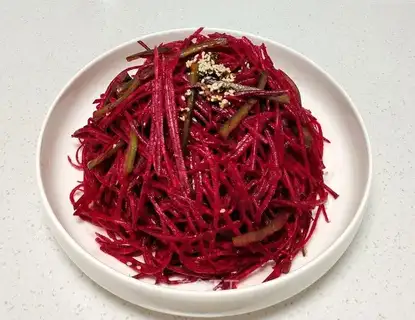
Beetroot, scientifically known as Beta vulgaris subsp. vulgaris, is a vibrant root vegetable that has transcended its ancient origins—from the Mediterranean and Near Eastern regions where it was first cultivated over 4,000 years ago—to become a global superfood. Renowned for its deep ruby-red hue (though varieties range from golden to pink), beetroot is not just a culinary delight but a nutritional treasure. Its earthy sweetness, versatility in dishes—from salads and juices to soups and smoothies—and impressive health profile have earned it a place in both traditional medicine and modern wellness diets. This article delves into the nutritional composition of beetroot, its evidence-based health benefits, and important precautions to consider when incorporating it into your diet.
I. Nutritional Profile: A Microcosm of Essential Nutrients
Beetroot’s nutritional value is as rich as its color. Low in calories (approximately 44 kcal per 100 grams) yet packed with vitamins, minerals, fiber, and bioactive compounds, it is a nutrient-dense food that supports overall health.
1. Vitamins and Minerals
- Folate (Vitamin B9): Beetroot is an excellent source of folate, providing approximately 109 mcg per 100 grams—around 27% of the daily recommended intake. Folate is critical for DNA synthesis, cell repair, and fetal development, making it especially important for pregnant individuals.
- Vitamin C: A potent antioxidant, vitamin C (4.9 mg per 100 grams) supports immune function, collagen production, and skin health. While not as high as citrus fruits, beetroot contributes to daily vitamin C needs.
- Potassium: With 325 mg per 100 grams, beetroot is a good source of potassium, a mineral that regulates fluid balance, nerve signals, and muscle contractions. Adequate potassium intake is linked to lower blood pressure and reduced risk of stroke.
- Manganese: This trace mineral (0.3 mg per 100 grams) is essential for metabolism, bone health, and antioxidant defense. Beetroot also provides smaller amounts of iron, magnesium, and phosphorus.
2. Fiber and Carbohydrates
Beetroot contains 2.8 grams of fiber per 100 grams, including both soluble and insoluble fiber. Soluble fiber (such as pectin) helps lower cholesterol and stabilize blood sugar, while insoluble fiber promotes digestive regularity. Its carbohydrates are primarily complex, with natural sugars (9.6 grams per 100 grams) providing sustained energy without blood sugar spikes.
3. Bioactive Compounds: The Source of Its Power
The most celebrated components of beetroot are its betalains and nitrates.
- Betalains: These water-soluble pigments, responsible for beetroot’s red, yellow, and purple hues, are potent antioxidants and anti-inflammatory agents. Betanin (the primary betalain in red beetroot) has been studied for its ability to neutralize free radicals, reduce oxidative stress, and protect against chronic diseases.
- Dietary Nitrates: Beetroot is one of the richest dietary sources of nitrates (approximately 250 mg per 100 grams). In the body, nitrates convert to nitric oxide (NO), a molecule that relaxes blood vessels, improves blood flow, and enhances oxygen delivery to tissues.
II. Evidence-Based Health Benefits
The combination of beetroot’s nutrients and bioactive compounds confers a range of health benefits, supported by scientific research.
1. Cardiovascular Health: A Natural Heart Protector
Beetroot’s nitrates are star players in cardiovascular health. Nitric oxide widens blood vessels (a process called vasodilation), reducing blood pressure and improving arterial flexibility. A 2013 study published in Hypertension found that consuming 500 ml of beetroot juice daily for four weeks lowered systolic blood pressure by 8 mmHg in hypertensive individuals. Additionally, betalains reduce inflammation and oxidative damage to blood vessels, lowering the risk of atherosclerosis (hardening of the arteries) and heart disease.
2. Enhanced Exercise Performance and Endurance
Athletes and fitness enthusiasts often turn to beetroot juice for its performance-boosting effects. By increasing nitric oxide production, beetroot improves oxygen utilization in muscles, delaying fatigue during high-intensity exercise. A 2019 meta-analysis in Nutrients concluded that beetroot supplementation enhances endurance and time-to-exhaustion in activities like running and cycling. It is particularly beneficial for aerobic exercise, where oxygen efficiency is key.
3. Liver Detoxification and Digestive Support
Beetroot supports liver function, the body’s primary detoxification organ. Betalains stimulate phase II detoxification enzymes, which help neutralize and eliminate toxins. The fiber in beetroot also promotes bowel regularity, preventing constipation and reducing the risk of colorectal cancer. Additionally, betaine, a compound found in beetroot, protects liver cells from fat accumulation, potentially supporting liver health in conditions like fatty liver disease.
4. Anti-Inflammatory and Anticancer Properties
Chronic inflammation is a root cause of many diseases, including cancer. Betalains in beetroot inhibit pro-inflammatory enzymes (like COX-2) and cytokines, reducing inflammation throughout the body. Studies suggest betanin may induce apoptosis (programmed cell death) in cancer cells, particularly in breast, prostate, and pancreatic cancer. While more human trials are needed, animal and lab studies highlight beetroot’s potential as a complementary cancer-fighting food.
5. Brain Health and Cognitive Function
As we age, blood flow to the brain declines, increasing the risk of cognitive decline and dementia. Beetroot’s nitrates enhance cerebral blood flow, which may improve memory and focus. A 2016 study in Nitric Oxide found that older adults who consumed beetroot juice showed improved reaction time and cognitive performance compared to a placebo group. This makes beetroot a promising dietary support for brain health.
6. Blood Sugar Regulation
Despite its natural sweetness, beetroot has a low glycemic index (GI) of 64 (when boiled), meaning it causes a gradual rise in blood sugar. The fiber in beetroot slows carbohydrate absorption, preventing spikes in glucose levels. A 2014 study in Nutrition Research found that beetroot juice improved insulin sensitivity in type 2 diabetic patients, suggesting it may play a role in diabetes management.
III. Precautions and Potential Side Effects
While beetroot is safe for most people, certain precautions are necessary to avoid adverse effects.
1. Beeturia: A Harmless but Alarming Side Effect
Approximately 10–15% of people experience beeturia, a condition where urine turns pink or red after consuming beetroot. This is caused by betalains excreted in the urine and is not a sign of disease. However, those with kidney issues should consult a doctor, as beeturia may indicate reduced kidney function in rare cases.
2. Kidney Stones
Beetroot is high in oxalates, compounds that can form calcium oxalate kidney stones in susceptible individuals. People with a history of kidney stones should limit beetroot intake and ensure adequate hydration.
3. Blood Pressure Medications
Due to its blood pressure-lowering effects, beetroot may interact with antihypertensive medications (e.g., beta-blockers, ACE inhibitors). Individuals taking such medications should monitor their blood pressure closely and consult a healthcare provider before increasing beetroot consumption.
4. Digestive Discomfort
The fiber and nitrates in beetroot may cause bloating, gas, or diarrhea in sensitive individuals, especially when consumed in large quantities. Starting with small portions (e.g., 1/4 cup of cooked beetroot) and gradually increasing intake can help minimize these effects.
5. Pesticide Residues
Conventionally grown beetroot may contain pesticide residues. To reduce exposure, opt for organic beetroot when possible, or wash thoroughly with a vegetable brush under running water.
IV. Practical Ways to Incorporate Beetroot into Your Diet
To reap beetroot’s benefits, experiment with these simple and delicious preparation methods:
- Raw: Grate beetroot into salads or spiralize it into noodles.
- Juiced: Blend beetroot with carrots, apples, and ginger for a nutrient-packed juice.
- Roasted: Toss cubed beetroot with olive oil, salt, and herbs, then roast at 200°C for 30–40 minutes for a caramelized side dish.
- Pickled: Pickled beetroot makes a tangy addition to sandwiches and salads.
- Smoothies: Add a small cooked beetroot to berry or green smoothies for a nutrient boost.
Conclusion
Beetroot is more than just a colorful vegetable—it is a nutritional powerhouse that supports heart health, exercise performance, brain function, and more. Its unique combination of vitamins, minerals, fiber, and bioactive compounds makes it a valuable addition to a balanced diet. However, like any food, moderation and awareness of individual health conditions are key. By incorporating beetroot wisely, you can harness its “ruby root” benefits and enhance your overall well-being. As the ancient Greek physician Hippocrates once said, “Let food be thy medicine”—and beetroot is a shining example of this wisdom in action.