Snacks Recipes
VicentaLakin
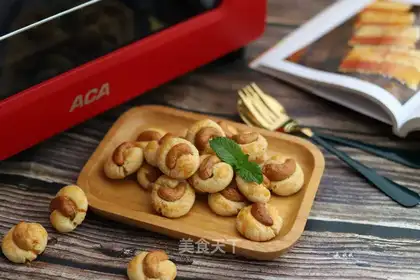
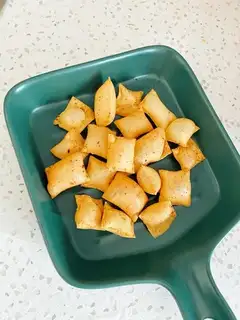
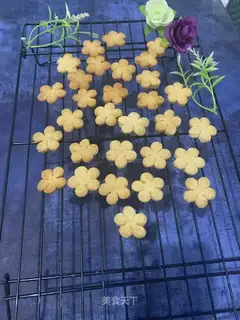
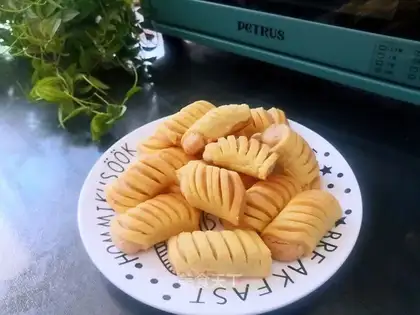
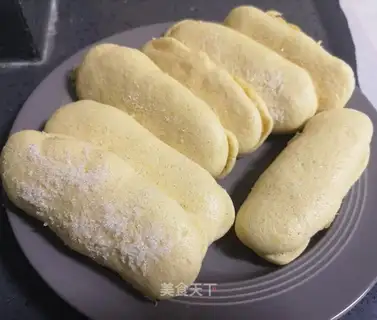
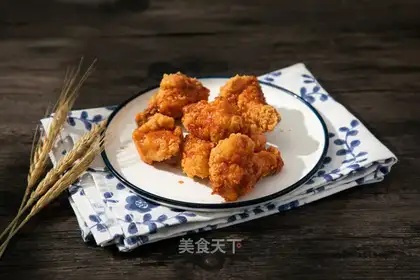
Buying two buckets of cashew nuts because they're leather-skinned, everybody's tired, and they're almost forgotten in the fridge. They've got a new ACA air oven today, they've got itchy all the time, they're out, they're out, they're out, they're made for their kids, they're made for their own cashews without additives, pure butter, eggs, flour, and good cashews. They're better than the ones I've bought outside. They're made of small ones, they're just a sip with their hands, they're delicious, and they don't have to bother kids with their cookies。
VicentaLakin
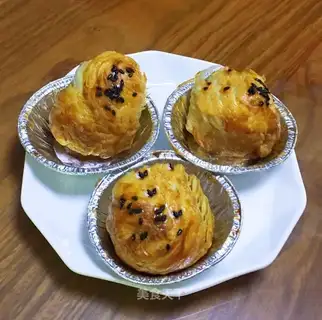
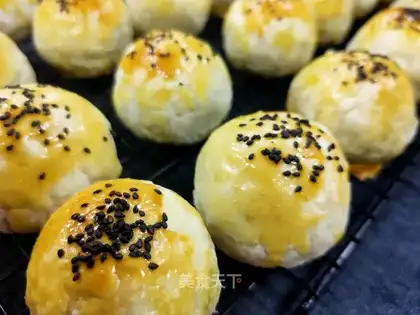
The history of reading drawings, learning and making delicious yogurts. From the beginning, there is an old Turkish snack called SuBrei, probably the Chinese “sweet” translation, which basically points to the earliest place of origin of the skin: Central Asia. In the seventh century, during the period of the Aberas dynasty, the soccer was in its infancy and, after taking over much of the Middle East, North Africa and West Asia, in 751 the Arabs defeated the mighty Tang Empire in the battle of Zoros, thus acquiring a considerable area of arable land and opening the door to the subcontinent of South Asia: India. Since then, wheat flour, originating in Central Asia, has come into contact with butter, syrup, nuts, cheese, cinnamon and spices, all of which were born during that period. In the 13th century, the Ottoman Empire inherited the garments of the Arab world and began its invasion of Eastern and Southern Europe in the Christian world, where the soothing was taken, and then Europe rose, and the wave of colonization of the great sea came and the soaks were brought to the world by Europeans. When the soot reached Macao, Hong Kong and Taiwan, where China was the first to accept the colonial culture, it developed souffles, carrots, forks, souffles, pineapple, and soufflés. Without exception, they combine the essence of traditional Chinese food products, and the Chinese have a history of making salted eggs for over a millennium. Soothing at the entrance, and the ointment of oil, and the collide of the two compartments, like the hymn of the Western food millennium, meet the heritage of the Eastern food millennium, and bring forth the sweetest sweetness of all. More importantly: the culture of the human diet, the culture of the family and the enrichment and upgrading of this tiny souffle