Chinese cuisine
VicentaLakin
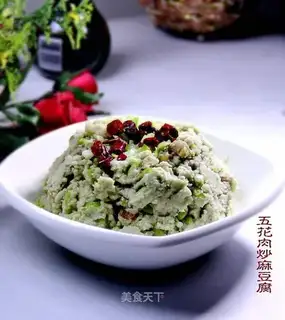
Soyfu is a cheap, beautiful dish in old Beijing. Many Beijing people like it, but it's hard for friends out of the country to accept the smell of the sour and a little smell. It is mainly made in the form of fresh vegetables, made in the form of tails of goat oil, made in the form of vegetables, and warmed up, but once it is cooled, it has a certain odor, and some of the Han people don't like it. In fact, soy bean curd is very nutritious, and it's mainly fermented with green bean slag. The green beans swell up after a few hours of immersion, then they are fermented with water, and the slurry above them, after static deposition, is the bean juice that is common to Beijingers, while the dry products below are soybeans. The fermented green soybean and the soybean slag do smell bad. But it is of high nutritional value, which is rich in protein and vitamins, and which prevents the flu. If you are used to it and have the effect of appetizers and beauty, even the Queen Mother of the Qing Dynasty loves it. She is said to drink a bowl of bean juice every week, and the royal room is used to make some soybeans for her. Soybeans are cheap, and a bag can be bought at the Beijing supermarket for two or three bucks or made of their own soybean grinding, except for longer fermentation. Today, make a tofu made out of vermin, as follows:
VicentaLakin
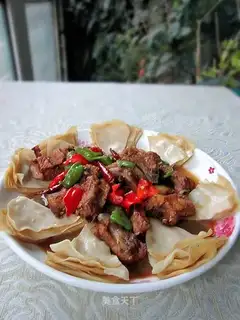
In the woody Kazakh Autonomous District, there is a great variety of snacks, including the Kazakhs' hand grabs lamb, bacon, milk tea, soufflé, Balsak; the Uighurs's food grabs, oils, buns; the Huis' oil, cold skin, yellow noodles, soup, chips, strips; and the Han's slices, whistles, fish. But most of all, it's the lamb pies that are prevalent in the woody areas. Lamb cakes are often available at ordinary people ' s homes, and almost all can be eaten at wooden restaurants and restaurants. In fact, the lamb cake, which is made out of lamb, which I usually like to make with lamb chops, which is made out of pellets, which the Xinjiang likes, and which is made out of lasagna, which is made out of lasagna, which is thinner, which is made into a roasting pot, which is custarded for 30 to 40 seconds, which is cut into small pieces, which is placed in a roasted lamb dish, which is unscamelted, which looks like oil and butter, which is not greasy, which tastes good, which is smelly, and which gives a drop of water, which is really fragrance. Sheep is hot and odoury, which is good for the winter and the sun. Medically, it can help Yuenyang, regenerate, heal his lungs, and profit and gain. It is a cure for strength。
VicentaLakin
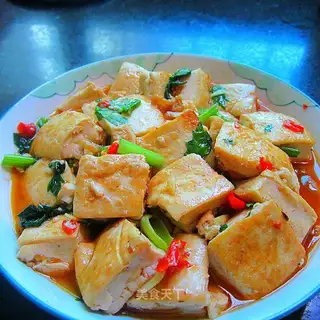
Food products: Tofu at six points, fragrance at one, spices: salt, oil for consumption, chicken, Li Jincheng, tofu, spices, pepper powder. Method 1: Cut tofu into squares, fragrances. Burn oil in the pot, and put it in the cut tofu, 3 with a proper amount of salt, slow-fired water, 4 on the way, and yellow on both sides. 5. Add appropriate quantities of clean water, 6 and infuse the soy sauce with pepper powder for 5 minutes. 7. Re-invocacy of Lee Jin-students and coloring. Finally, cauliflowers are put in, and chickens are set to boil and oil is put in。
VicentaLakin
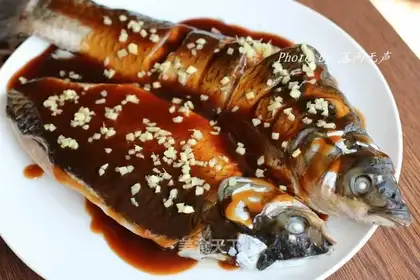
The Western Lake Jealous is a traditional Hangzhou dish, known as the Western Lake Jealous Fish, also known as "Uncles and Sisters-in-law" and is said to have come from a bowl of sugar and vinegar for my uncle. Western lake vinegars usually use fresh live lake grassfish as their main feed, first to starve in fish cages for two or three days, to excrete intestines and remove the smell of dirt, to cook the fire, to keep the meat fresh, and finally to pour out smooth red sugar vinegar with local vinegar, wine, sauce and sugar. It's so sweet, it's delicious
VicentaLakin
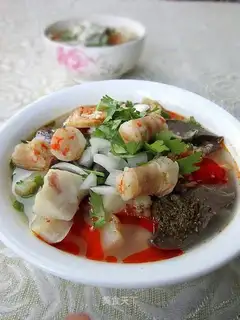
Every time I go to that street, I see that she's busy, that she runs a pulmonary shop, and every time she looks at me, she greets me enthusiastically, I always go to her shop and talk about their special foods and customs. The most talk is about her lungs, every time she says it unreservedly, this time she knows I want to be a lung, leave me some food, she says it's cooked, she's in trouble, she writes about it, even though she knows you can't do Mid-Autumn, just like we're years old, she says: Happy Mid-Autumn, booming business, happy home! Some Xinjiang snacks can't be eaten anywhere else, in other words, delicious ones that can only be eaten in Xinjiang. The rice intestines and facial lungs are one of them. The pasta lung, which originated in Ishawara, has a history of 30 or 40 years as a food for Xinjiang. Pneumoconi and enema are traditional taste snacks preferred by Uighur people. It's made of raw material made of sheep's organs. The plume is soft, the rice is fresh, and all the tourists who come to Xinjiang have tasted it and are hailed for its unique taste. Xinjiang's lung is a national fast food that can be found in street restaurants and night market stalls. Famous lungs are usually made of rice intestines, face bands, etc., pulled out of a big pot, cut into small pieces and fed together in a bowl. The pasta lung is a staple food, and the cooked lung color is a little bit like a steamed potato, but it tastes better than potatoes because of all kinds of sauce. Its production process is complex and generally takes five hours, from lashing to filling to cooking. Sheep pulmonary washing begins with the cutting of two coarse veins connected to the lung before the lung is whitened. After the pulmonary is emptied with white face, and after the surface water has been clarified, the plume is filled with water, a small amount of water is left to stir up the face, then special tools are drawn on the pneumatic tube, stitched with threads, the plating of the platinum is poured out into the instrument and squeezed into the pulmonary leaf; a small amount of fine salt and oil will be squeezed into the pulmonary leaf and the pneumatic cavity will be sealed with rope. At that time, the lungs were large, like small balloons, and their veins were filled with white noodles; and the rice intestines (with shredded liver, sheep's hearts, lamb and pepper powder, powdered powder, salt mixed into rice and added to the intestines), the cheeks and rolls were boiled with a little bit of paprika wired (the hives were evaporated in the pot). When the rice in the intestines is half-cooked, the larvae is used to spread it through the walls of the intestines, so that they may not swell. When you're ready, you get your lungs, your intestines, face bands, etc. out of the pot, and you put them in a tub, and when the guests come, you cut them into pieces and shapes, and you mix them with different sauces. The rice intestines and facial lungs, the intestines, the soft lungs, the chewing of the face, the fragrance of the fragrance, the unique taste of the taste, are no less than the taste of Xinjiang。
VicentaLakin
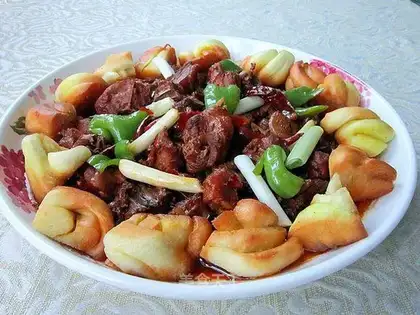
THERE ARE TWO TYPES OF CHICKENS IN XINJIANG: ONE IS A POTATO-COOKED PHEASANT WITH A LEATHER BELT IN SAND BAY, AND THE RECENT XINJIANG POP OF A SMALL ROOSTER WAND MEANS SOMETHING BETTER, AND MANY FRIENDS IN THE INTERIOR MAY NOT HAVE HEARD OF IT. THE BAY OF SANDS FORMED IN 90 YEARS AND MATURED IN 92. IN 96, IT WAS CELEBRATED IN XINJIANG. IT'S COMING FROM THE INTERIOR. THE OTHER ONE IS THE CHAIFEBURG CHICKEN, THE MAIN COURSE IS TYPICAL OF THE SICHUAN DRY CHICKEN. THE HUGE QUANTITIES OF RED DRY PEPPERS MAKE THE ENTIRE PLATE DARK RED. THE CHICKENS PASS THROUGH THE DRY TWIGS, THE TASTE IS DRY, AND THEY TASTE VERY GOOD. IN THE END, THE MAIN FOOD MIX IS A TYPICAL NORTHWEST DIET. XINJIANG CHICKENS ARE NOT FOOD FOR RICE, OTHERWISE THEY WILL LOSE THEIR TASTE. BIG CHICKENS HAVE TO EAT TOGETHER WITH A FEW FRIENDS, OTHERWISE THE ATMOSPHERE IS LOST. THE PRIDE AND SELFLESSNESS OF THE XINJIANG PEOPLE HAVE BEEN LARGELY INTERPRETED IN THE CONTEXT OF THIS TASTE AND THE SHARING OF DRINKS. THE XINJIANG PEOPLE LIKE TO COOK WITH LARGE DISHES, WHICH ARE THE MOST REPRESENTATIVE. IN THE CITY OF TARTARS IN '98, THERE WERE A LOT OF FISH TO FEED, AND 90CM PLATES WERE A SHOCK TO FRIENDS IN THE INTERIOR. YOU DON'T HAVE TO TELL ME, YOU EAT IT, YOU GET ROBBED, YOU DON'T HAVE ANY SOUP. IN THE PAST FEW YEARS, THERE HAVE BEEN MORE LARGE DISHES AND PANS, SOME OF WHICH HAVE BROKEN THE GUINNESS RECORD。