Japanese cuisine
VicentaLakin
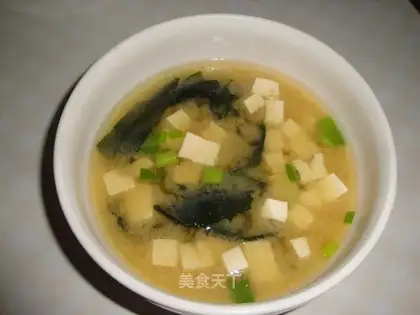
This recipe comes from "The Cook's Home Foods". When I got this book, I couldn't help but get the presumptuous scorn from my nose that "Who dares to call himself a cook God," okay, I was wrong. This book opens my whole new view of the recipe and presents it in a very detailed and rigorous manner. Turning to the unexpected problem of vegetables, the biggest lamentation is that everything can be “mixed into mud” and that, in addition to making sauce, the leaves can be mixed into mud, the ditches into mud, the butter into mud, and even the bread into mud. In any case, later, the # standing on the shoulders of giants # will be referred to as mud. If Thailand's a big bowl of sticky food can be used for "mixing into mud," but the western food in the visual system... well, the good thing about learning is that there's always a feeling that there's another eye. Today, this "mixed mud" will make tofu mud, and let's move on
VicentaLakin
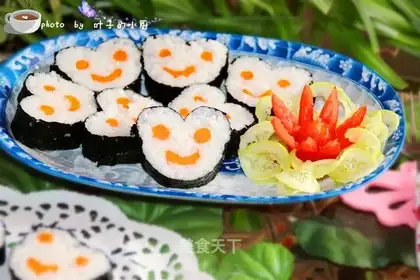
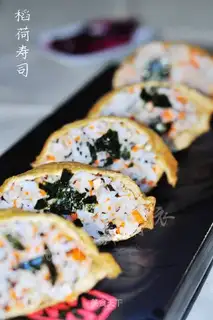
Sushi was supposed to be a Japanese dish, and the main material was made out of vinegar food (sophisticated rice), together with fish meat, seafood, horse meat, vegetables or eggs, which we prefer, and which is said to originate in subtropical areas, where people find that cooked rice can be kept for a long time if it is placed in a clean chamber and buried in the ground, and that the food also produces a taste of micro-acid acid as a result of fermentation, which is the original sushi. My family doesn't eat Japanese food, first: don't eat; second: don't eat. It's just sushi-styled and simplistic. Chinese people like to eat their own. The idea of making children's food, and the baby's appetite, is so much easier to recommend today, that if we use grinders, the newcomers will look at it。