Guangdong's New Year Eve dinner, a cornerstone of Cantonese culture, is a vibrant symphony of flavors and symbolism, where every dish carries wishes for prosperity and harmony. This culinary tradition blends fresh ingredients, delicate techniques, and auspicious meanings, creating a feast fit for reunion and celebration.
The feast often begins with yu sheng (raw fish salad), a toss-and-mix dish symbolizing "increasing prosperity." Colorful vegetables, shredded raw fish, and crispy crackers are tossed with a sweet-sour sauce, as diners shout auspicious phrases to invite good fortune. Next, roast suckling pig takes center stage, its golden, crispy skin representing wealth and perfection, while the tender meat delights all ages. Steamed fish, usually a whole grouper or sea bass, is a must—served whole to signify completeness, it is eaten last to "leave surplus for the coming year."
Dumplings feature prominently too: har gow (shrimp dumplings) and siu mai (pork dumplings) embody skill, while potstickers resemble ancient gold ingots for wealth. Braised dishes like braised duck with ginger and scallions add depth, balancing the meal's richness with aromatic soy-based sauces. No feast is complete without tangyuan (sweet glutinous rice balls), symbolizing family reunion, served in a warm, sweet soup.
From fresh seafood to hearty meats, each dish in Guangdong's New Year spread tells a story of gratitude and hope, making it a heartwarming tribute to tradition and togetherness.
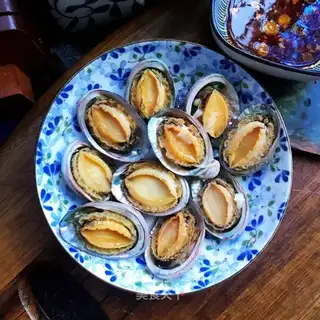 Vacuated abalone"
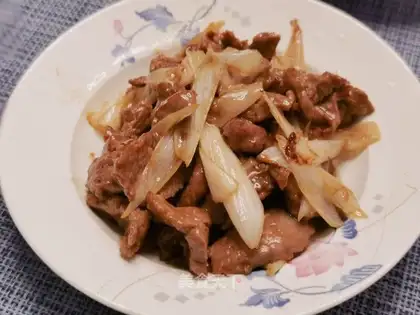 I don't know"
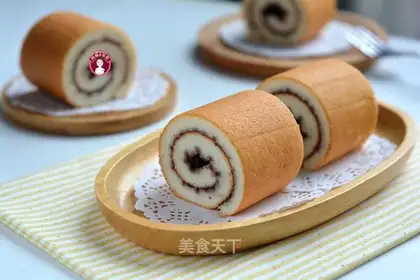 Blueberry sauce angel cake roll"
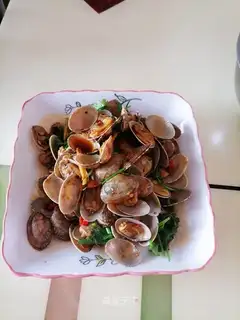 Saffron"
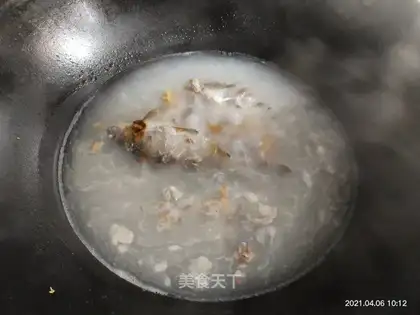 Squid soup"
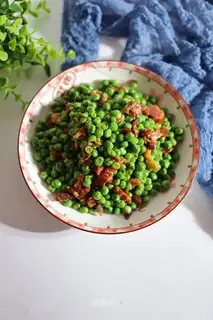 Hot chicken fried peas"
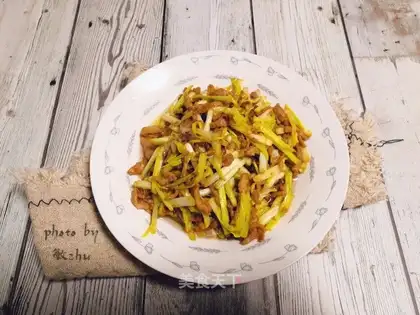 Snack"
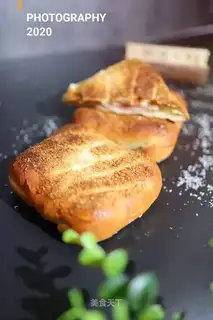 Ham cheese bread"
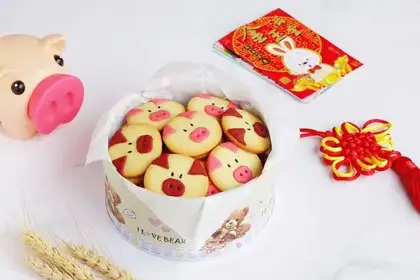 Piggy cookies"
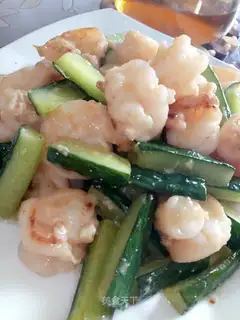 cucumber shrimp"
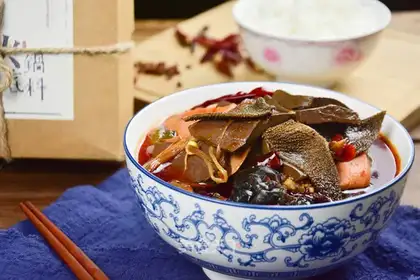 Bloody blood"
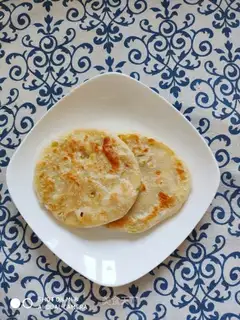 Pretzels"
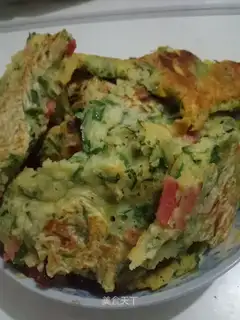 Cream eggs"
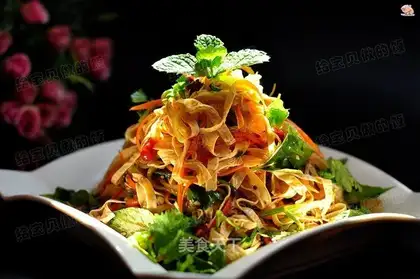 It's good"
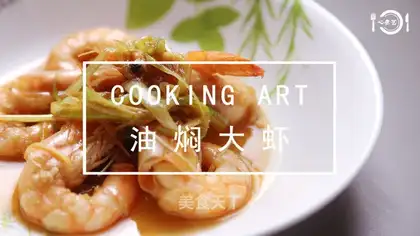 Shrimp with shellless oil"
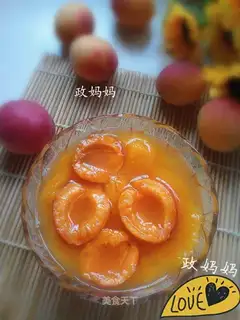 Sugar almonds"
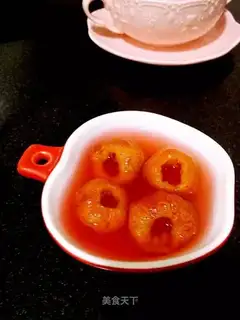 Mountain cans"
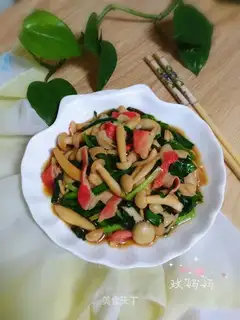 Crab sticks"
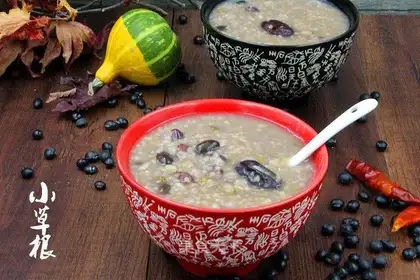 Four seasons of porridge"
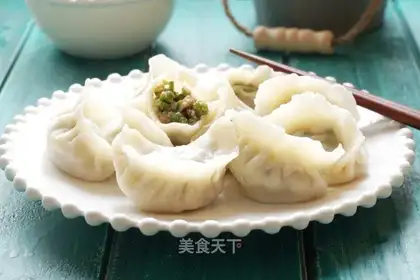 Pork bean horn dumplings"