The Lunar New Year’s Eve reunion dinner, or "Nianfan," is the heart of Chinese New Year, painting the night in vibrant hues of warmth and celebration. At its core is the color red—symbolizing luck, joy, and prosperity—that adorns tables, from crimson tablecloths to paper lanterns dangling overhead, casting a cheerful glow over loved ones gathered ‘round.
The feast itself is a symphony of flavors and meanings. Dishes like braised pork belly (hongshao rou) simmer in rich, ruby sauces, while steamed fish (yu) represents abundance, its whole form signifying a complete year ahead. Dumplings, shaped like ancient gold ingots, promise wealth, and tangyuan, sweet glutinous rice balls, echo the hope for family togetherness. Laughter mingles with the sizzle of woks and clinking of glasses, as generations share stories and pass dishes, strengthening bonds that time cannot fade.
More than a meal, it is a ritual of gratitude and hope. The red lanterns, the steaming food, and the smiling faces all blend into a tapestry of "红火"—a lively, prosperous spirit that ushers in the new year with love and optimism. This fiery celebration is not just about eating, but about cherishing the warmth of family and embracing the promise of a bright, vibrant year ahead.
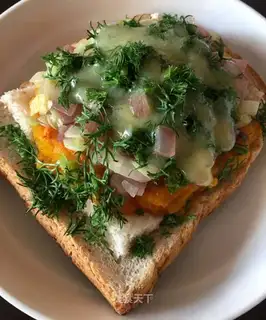 Bread pizza"
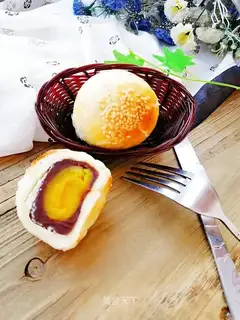 Souffle"
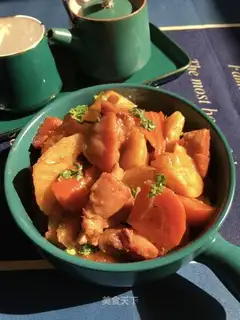 Potato burn rabbit legs"
 Strawberry avalanche cake"
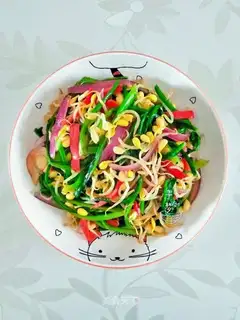 Wheat sprouts"
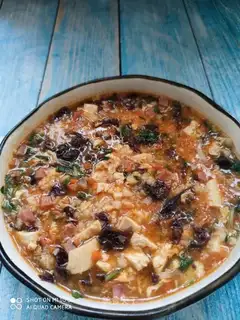 Tofu violet soup"
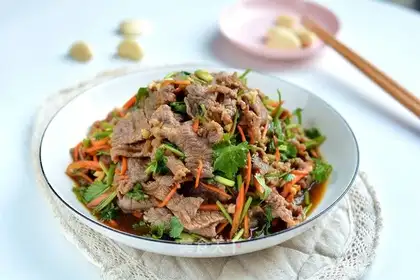 Smoky, greasy beef"
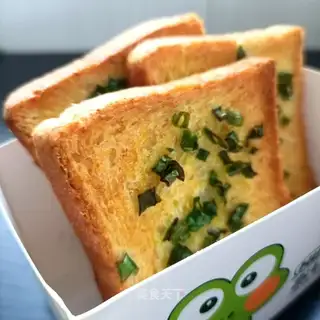 Onion toast"
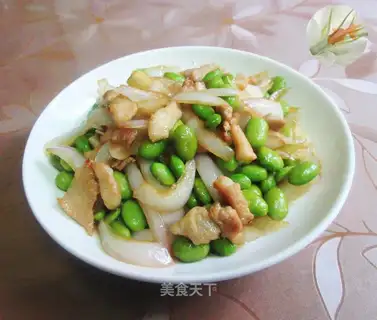 Five flowers, onions, beans"
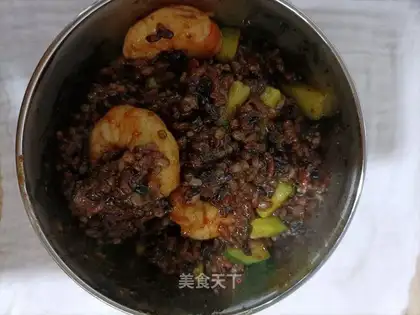 Three-coloured rice fried rice"
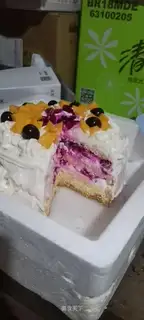 Eight-inch cake"
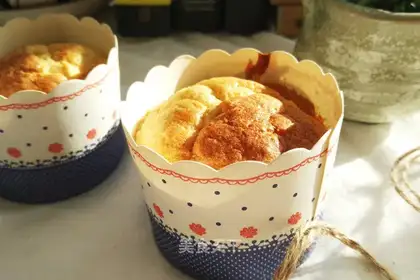 Simple cupcakes"
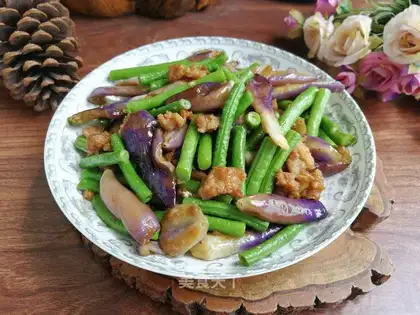 Potato eggplant"
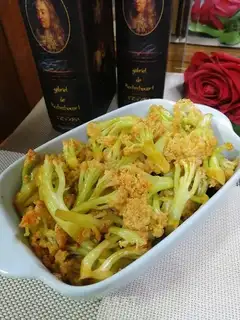 Korean chili sauerkraut"
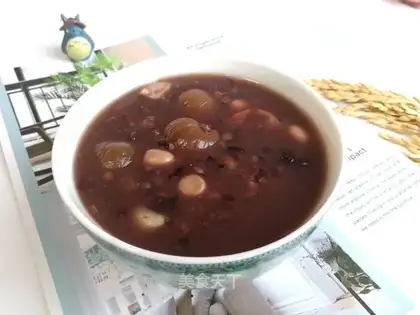 Black rice cumber"
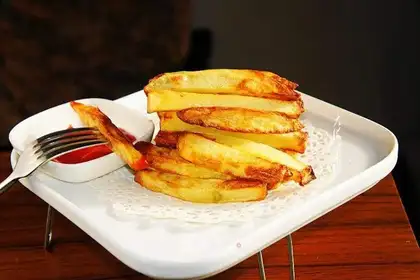 French fries"
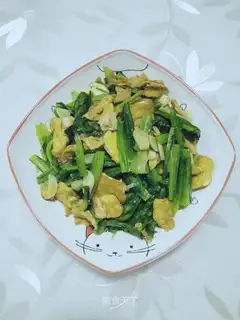 Scrambled eggs"
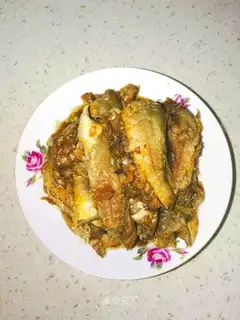 Red-hot gillfish"
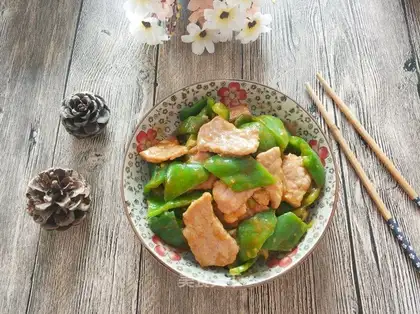 Pepper meat"
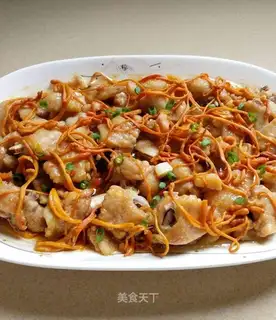 Frozen chicken"
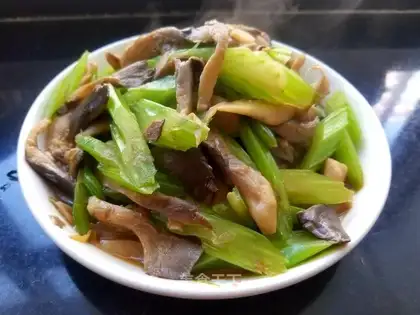 The ruffled celery"
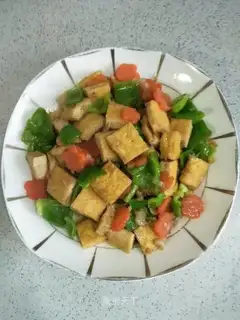 Carrot green pepper fried fragrance"
 Pig oil"
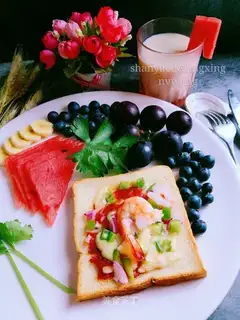 Shrimp bread pizza"