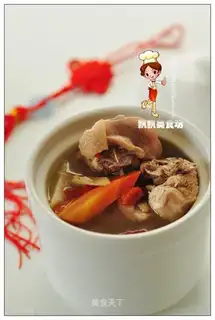
original Recipe

MaciCassin
Chestnuts are rich in nutrients, including carbohydrates, protein, fat, multiple vitamins and inorganic salts. According to reports, chestnut meat contains 10% protein, about 70% starch, and is also rich in multiple trace elements and minerals. These are all necessary nutrients for the human body and important elements for maintaining body health and enhancing immunity and vitality. Chestnut not only contains a large amount of starch, but also contains a variety of signature nutrients such as protein and vitamins. Chestnut is rich in nutrients such as protein, fat, carbohydrates, calcium, phosphorus, iron, zinc, and multiple vitamins. It has the effect of strengthening the spleen and nourishing the stomach, strengthening the kidney and muscles, activating blood and stopping bleeding. Chestnuts are sweet and warm in nature, and enter the spleen, stomach and kidney meridians; nourish the stomach and strengthen the spleen, nourish the kidney and strengthen the muscles, and promote blood circulation to stop bleeding; it is mainly used for weakness of the spleen and stomach, nausea, diarrhea, body weakness, sore waist and soft legs, vomiting blood, epistaxis, hematochezia, golden sores, broken wounds, swelling and swelling, scrofula. <br />Although chestnuts are fragrant, glutinous and delicious, rich in nutrients, can treat many diseases and maintain health, they should not be eaten too much. Patients with diabetes, indigestion and constipation should be cautious when eating chestnuts.