light Recipe
BradleyCassin
Luffa is sweet and cool in nature, and enters the liver and stomach meridians;<br /> It has the effects of eliminating heat and phlegm, cooling blood and detoxifying, relieving summer heat and relieving annoyance, clearing channels and activating channels, and expelling wind;<br /> It is used to treat febrile diseases such as polydipsia, phlegm asthma and cough, intestinal wind and hemorrhoid, metrorrhagia, leukorrhagia, bleeding, treating sores and carbuncle, and women's milk failure. <br />Luffa is sweet and calm in nature. It passes through the twelve meridians and can activate collaterals, clear heat and reduce phlegm.
EnidZiemann
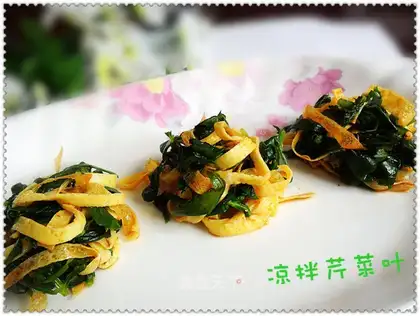
Celery leaves and stems contain volatile mannitol, which has a unique aroma, can enhance appetite and also has a health care effect. However, many families only eat stems and not leaves when eating celery, which is very wasteful. Because the nutritional content of celery leaves is much higher than that of celery stems, nutritionists have tested 13 nutritional components on celery stems and leaves and found that 10 indicators in celery leaves exceed the stems. Among them, the carotene content in the leaves is 88 times that of the stems, the vitamin C content is 13 times that of the stems, the vitamin B1 is 17 times that of the stems, the protein is 11 times that of the stems, and the calcium is more than 2 times that of the stems. The nutritional value of celery leaves cannot be ignored. Next time you eat celery, remember to save the celery leaves.