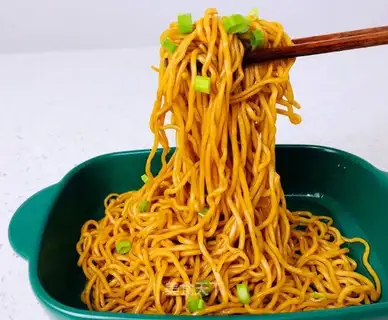
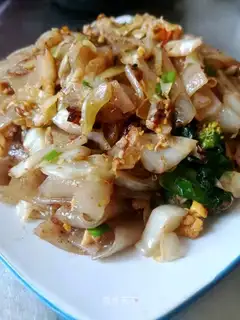
The Hunan people eat powder as much as rice. The first step on the road home from the diaspora is to eat a bowl of homemade powder. Hunan has different tastes and characteristics. The mid-term presentation focused on the mausoleum powder. There are actually two kinds of powder, one rounded in Shanghai called rice powder and one wide Shanghai called rice powder. Scrambles, toughness, softness! A bowl of mausoleums go all the way: hot pots of hot oil, eggs laid down when the oil in the pots exploded, eggs boiled twice or three times fast, soybean sprouts (or cabbage) were almost five years old, then rice powdered, peppered, soy sauce, salt, etc. were soared up quickly, when the fans were yellow, the whole process was perfect, which was an art of fire and oil。
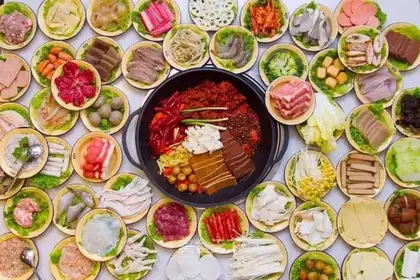
The hot pot is the traditional diet of China and has a long history. While the packagings of the hot pots, their make-up and their delimentation have evolved over the last millennium, one common element remains the burning of the pots, the heating of the foods with water and soup. This cooking method has been widespread since the week of commerce, and it can be described as a hot pot. In the Han Poetry, it is written that ancient rituals or festivals are to be eaten by “bringing the bells”, i.e. the world is surrounded by the bells, and foods such as cattle and goats are to be cooked in them, which is the seed of a hot pot. After the evolution of Qin, Han and Tang Dynasty, it was not until Song Dynasty had a real record of the hot pot。