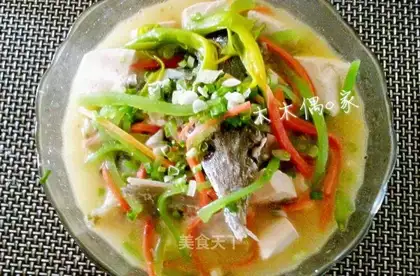
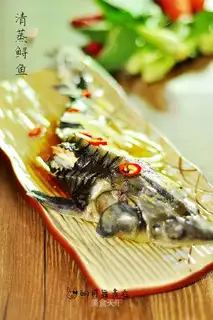
Sturgeon, often referred to as "living fossils" due to their 200-million-year evolutionary history, are not just ancient creatures but also nutritional treasures revered in culinary and health circles worldwide. Prized for their delicate flesh, roe (caviar), and exceptional health benefits, sturgeon has become a symbol of luxury and wellness. This article delves into the nutritional profile, health benefits, and important consumption considerations of sturgeon, offering a holistic understanding of this remarkable fish.
I. Nutritional Profile of Sturgeon
Sturgeon is a nutrient-dense fish that stands out for its balanced composition of high-quality protein, essential fatty acids, vitamins, and minerals. Its nutritional value varies slightly depending on the species (e.g., Beluga, Siberian, or White Sturgeon) and farming conditions, but its core benefits remain consistent.
1. High-Quality Protein
Sturgeon is an excellent source of complete protein, containing all nine essential amino acids that the human body cannot synthesize on its own. A 100-gram serving of cooked sturgeon provides approximately 20–22 grams of protein, making it an ideal choice for muscle repair, tissue growth, and overall bodily function. Unlike some fatty meats, sturgeon’s protein is low in saturated fat, supporting heart health while promoting satiety—beneficial for weight management.
2. Omega-3 Fatty Acids
One of sturgeon’s most celebrated nutritional attributes is its high content of omega-3 fatty acids, particularly EPA (eicosapentaenoic acid) and DHA (docosahexaenoic acid). These polyunsaturated fats are crucial for reducing inflammation, supporting brain health, and lowering the risk of chronic diseases. A single serving of sturgeon can provide 1–2 grams of omega-3s, rivaling other fatty fish like salmon or mackerel. DHA, in particular, is vital for cognitive function and eye health, while EPA helps regulate the immune system and reduce inflammatory markers in the body.
3. Essential Vitamins
Sturgeon is rich in several key vitamins:
- Vitamin B12: Critical for nerve function, DNA synthesis, and red blood cell formation. A 100-gram serving can meet over 150% of the daily recommended intake, making it a powerhouse for preventing B12 deficiency, especially in vegetarians or older adults.
- Vitamin D: Often called the "sunshine vitamin," vitamin D supports calcium absorption, bone health, and immune regulation. Sturgeon is one of the few natural dietary sources of vitamin D, with a single serving providing 20–30% of the daily requirement.
- B Vitamins (B6, Niacin, Riboflavin): These vitamins play roles in energy metabolism, skin health, and converting food into usable energy. Sturgeon’s B-complex content helps maintain optimal metabolic function and reduces fatigue.
4. Minerals
The fish is also a notable source of essential minerals:
- Selenium: A potent antioxidant that protects cells from oxidative damage, supports thyroid function, and boosts immune health. Sturgeon provides around 30–40 micrograms of selenium per serving, covering over 50% of the daily recommended intake.
- Phosphorus: Vital for bone and teeth formation, as well as cell repair and energy production. Sturgeon’s phosphorus content (around 200–300 mg per 100 grams) contributes to maintaining strong bones and metabolic balance.
- Iron and Zinc: While not as high as in red meat, sturgeon provides heme iron (more easily absorbed than non-heme iron) and zinc, which support oxygen transport, immune function, and wound healing.
II. Health Benefits of Sturgeon
The unique nutritional composition of sturgeon translates into a range of health benefits, making it a valuable addition to a balanced diet.
1. Cardiovascular Health
The omega-3 fatty acids in sturgeon are well-documented for their heart-protective effects. They help lower triglyceride levels, reduce blood pressure, decrease arterial plaque buildup, and prevent blood clots. Regular consumption of sturgeon may lower the risk of arrhythmias, heart attacks, and strokes. Additionally, its low saturated fat content (compared to fatty meats) further supports cardiovascular health by improving cholesterol ratios.
2. Brain and Cognitive Function
DHA, a predominant omega-3 in sturgeon, is a structural component of the brain and retina. Studies suggest that adequate DHA intake enhances cognitive function, memory, and focus, while reducing the risk of age-related cognitive decline and neurodegenerative diseases like Alzheimer’s. For pregnant and breastfeeding women, DHA is crucial for fetal brain development, making sturgeon a smart dietary choice (when consumed safely, as discussed later).
3. Anti-Inflammatory Properties
Chronic inflammation is linked to conditions such as arthritis, diabetes, and autoimmune disorders. Sturgeon’s EPA and DHA possess potent anti-inflammatory effects, helping to reduce the production of inflammatory cytokines and alleviate symptoms of inflammatory diseases. For individuals with rheumatoid arthritis or inflammatory bowel disease, incorporating sturgeon into the diet may help manage pain and improve joint function.
4. Bone and Joint Health
Sturgeon’s combination of vitamin D, calcium, phosphorus, and omega-3s makes it beneficial for bone health. Vitamin D enhances calcium absorption, while phosphorus works alongside calcium to maintain bone density. Omega-3s, meanwhile, reduce inflammation in joints, potentially easing symptoms of osteoarthritis and supporting overall mobility.
5. Immune System Support
The selenium and vitamin D in sturgeon play key roles in immune regulation. Selenium enhances the activity of antioxidant enzymes that protect immune cells from damage, while vitamin D modulates immune responses, reducing the risk of infections and autoimmune reactions. Regular consumption may help the body resist common illnesses like colds and flu.
6. Weight Management
As a lean, high-protein food, sturgeon promotes satiety, helping to curb overeating and reduce calorie intake. Protein also has a higher thermic effect (more energy required for digestion) than fats or carbohydrates, aiding in metabolic efficiency. For individuals aiming to lose or maintain weight, sturgeon is a nutritious, low-calorie option that supports muscle mass retention during weight loss.
III. Consumption Considerations and Precautions
While sturgeon offers numerous health benefits, certain precautions must be taken to ensure safe and ethical consumption.
1. Mercury and Contaminant Levels
Like many large, long-lived fish, sturgeon can accumulate mercury and environmental pollutants (such as PCBs) in its tissues. Mercury, in particular, is toxic to the nervous system, especially in pregnant women, nursing mothers, and young children. To minimize risk:
- Choose Farmed Sturgeon: Farmed sturgeon generally has lower mercury levels than wild-caught varieties, as their diets are controlled and habitats are monitored.
- Limit Consumption: The FDA recommends consuming 2–3 servings of low-mercury fish per week. For sturgeon, 1–2 servings per week is a safe guideline for most adults.
- Avoid High-Risk Groups: Pregnant women, nursing mothers, and children under 12 should opt for lower-mercury fish (e.g., salmon, sardines) instead of sturgeon.
2. Sustainable Sourcing
Many wild sturgeon species are endangered due to overfishing, habitat loss, and pollution. For example, Beluga sturgeon (famed for its caviar) is critically endangered, and commercial fishing is banned in many regions. To support conservation:
- Opt for Farmed Sturgeon: Look for certifications from organizations like the Aquaculture Stewardship Council (ASC) or the Global Aquaculture Alliance (GAA), which ensure sustainable farming practices.
- Avoid Endangered Species: Check species-specific guidelines; avoid purchasing wild Beluga, Atlantic, or Green Sturgeon.
3. Allergies and Sensitivities
Fish allergies are common, and sturgeon is no exception. Individuals with fish allergies should avoid sturgeon entirely, as cross-reactivity with other fish (e.g., salmon, trout) may occur. Symptoms of an allergic reaction can range from mild (hives, itching) to severe (anaphylaxis), so caution is advised.
4. Preparation Methods
To preserve sturgeon’s nutritional benefits and minimize health risks:
- Avoid Deep-Frying: Frying adds unhealthy fats and destroys heat-sensitive nutrients (e.g., omega-3s). Instead, opt for grilling, baking, steaming, or poaching.
- Remove Skin: The skin may contain higher concentrations of contaminants; removing it reduces exposure.
- Avoid Overcooking: Overcooking can degrade proteins and omega-3s. Cook until the flesh is opaque and flakes easily (internal temperature of 63–65°C or 145–150°F).
5. Interaction with Medications
Sturgeon’s omega-3 content may interact with blood-thinning medications (e.g., warfarin, aspirin), increasing the risk of bleeding. Individuals taking such medications should consult their doctor before adding sturgeon to their diet. Additionally, omega-3s may slightly lower blood pressure, so those on antihypertensive drugs should monitor their levels regularly.
IV. Culinary Uses and Cultural Significance
Beyond its health benefits, sturgeon is a culinary delicacy prized for its versatility and flavor. Its firm, tender flesh has a mild, buttery taste with a subtle sweetness, making it suitable for various cooking methods. Common preparations include:
- Grilled or Baked: Simple seasoning (lemon, herbs, olive oil) highlights the fish’s natural flavor.
- Smoked: Smoked sturgeon is a popular appetizer, often served with cream cheese or on bagels.
- Caviar: Sturgeon roe, known as caviar, is a luxury food rich in omega-3s, vitamins, and minerals. Sustainable farmed caviar is a responsible choice for eco-conscious consumers.
- Soups and Stews: In Eastern European and Russian cuisines, sturgeon is used in hearty soups like ukha, where its delicate flavor enhances the broth.
Culturally, sturgeon holds significance in regions like the Caspian Sea (where Beluga sturgeon is iconic), the Pacific Northwest (for Indigenous communities), and China (where it is a symbol of prosperity). Its historical role as a food source for royalty and nobility underscores its status as a premium ingredient.
Conclusion
Sturgeon is a nutritional and culinary gem, offering a rare combination of high-quality protein, omega-3 fatty acids, and essential vitamins and minerals. Its health benefits—from cardiovascular support to brain health—make it a valuable addition to a balanced diet. However, mindful consumption is key: choosing sustainably farmed sources, limiting intake to avoid mercury exposure, and preparing it healthily can maximize its benefits while minimizing risks. Whether enjoyed as a grilled fillet, smoked delicacy, or luxury caviar, sturgeon continues to captivate palates and promote health, bridging ancient tradition with modern wellness.
As we appreciate sturgeon’s value, it is also our responsibility to support sustainable practices, ensuring that this "living fossil" remains a treasure for future generations. By making informed choices, we can savor sturgeon’s benefits while contributing to the preservation of this remarkable species.