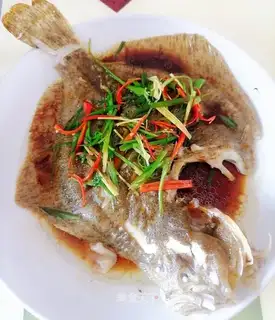
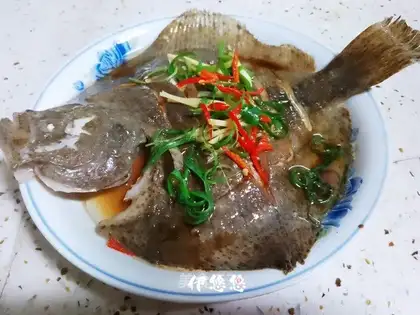
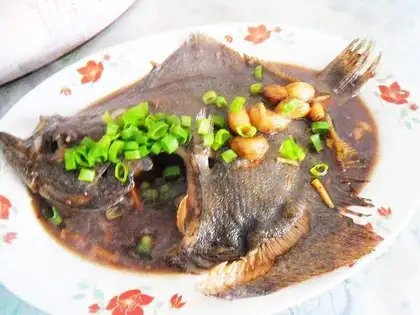
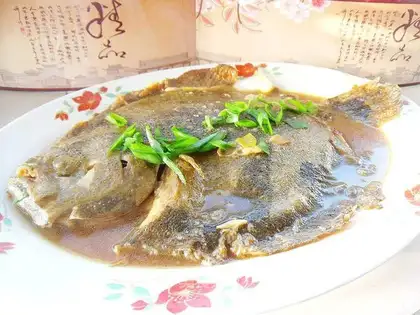
Turbot, a highly prized flatfish renowned for its delicate flavor, tender texture, and versatility in culinary arts, has long been a staple in high-end cuisine and home kitchens alike. Native to the coastal waters of the North Atlantic, the Mediterranean, and the Black Sea, this species belongs to the Scophthalmidae family and is scientifically known as Psetta maxima. Beyond its gastronomic appeal, turbot is a nutritional powerhouse, offering a wealth of health benefits. However, like many seafood varieties, it also requires careful consideration regarding consumption to maximize its advantages while minimizing potential risks. This article delves into the nutritional profile of turbot, its health benefits, and essential precautions for safe consumption.
Nutritional Profile of Turbot
Turbot is a low-calorie, high-protein fish that packs an impressive array of essential nutrients, making it an excellent choice for health-conscious individuals. A 100-gram serving of cooked turbot (approximately half a fillet) contains roughly 120–150 calories, 22–25 grams of protein, and only 2–3 grams of fat, the majority of which is heart-healthy unsaturated fat.
1. High-Quality Protein
Protein is a macronutrient vital for building and repairing tissues, supporting muscle growth, and maintaining immune function. Turbot’s protein is "complete," meaning it contains all nine essential amino acids that the human body cannot produce independently. This makes it an ideal protein source for athletes, individuals recovering from illness, and those looking to increase their protein intake without adding excessive calories.
2. Rich in Omega-3 Fatty Acids
Turbot is a good source of omega-3 polyunsaturated fatty acids, particularly eicosapentaenoic acid (EPA) and docosahexaenoic acid (DHA). These fats are renowned for their anti-inflammatory properties, which help reduce the risk of chronic diseases such as heart disease, arthritis, and depression. Omega-3s also support brain health, enhancing cognitive function and potentially lowering the risk of age-related mental decline.
3. Essential Vitamins and Minerals
Turbot is a nutrient-dense fish, providing a concentrated dose of essential vitamins and minerals:
- Vitamin B12: Crucial for nerve function, DNA synthesis, and red blood cell formation. A single serving of turbot can meet over 100% of the daily recommended intake of B12.
- Vitamin D: Often called the "sunshine vitamin," vitamin D is essential for bone health, immune function, and mood regulation. Turbot is one of the few natural food sources of this vitamin, particularly beneficial for individuals with limited sun exposure.
- Selenium: A powerful antioxidant that protects cells from damage, supports thyroid function, and boosts the immune system. Turbot provides more than 50% of the daily selenium requirement per serving.
- Phosphorus: Works with calcium to build and maintain strong bones and teeth, and is also involved in energy production and cell repair.
- Magnesium: Plays a role over 300 enzymatic reactions in the body, including muscle and nerve function, blood sugar control, and blood pressure regulation.
4. Low in Mercury
Unlike larger, predatory fish such as shark or swordfish, turbot is low in mercury, a toxic metal that can accumulate in the body and cause neurological damage, especially in pregnant women and young children. Its position in the lower part of the food chain and relatively short lifespan make it a safer seafood option for regular consumption.
Health Benefits of Turbot
The combination of macronutrients and micronutrients in turbot contributes to a wide range of health benefits, making it a valuable addition to a balanced diet.
1. Supports Heart Health
The omega-3 fatty acids in turbot are well-documented for their cardiovascular benefits. They help lower triglyceride levels (a type of fat in the blood), reduce blood pressure, decrease inflammation in blood vessels, and prevent the formation of blood clots. Additionally, turbot’s low saturated fat content and high protein levels make it a heart-healthy alternative to red meat, which is often high in unhealthy fats.
2. Enhances Brain Function and Mental Health
DHA, a key omega-3 in turbot, is a major structural component of the brain and retina. Studies show that adequate DHA intake improves cognitive function, memory, and focus. It may also reduce the risk of neurodegenerative diseases such as Alzheimer’s and Parkinson’s. Furthermore, omega-3s have been linked to reduced symptoms of depression and anxiety, as they help regulate neurotransmitters like serotonin and dopamine.
3. Promotes Muscle Growth and Repair
The high-quality protein in turbot is rich in branched-chain amino acids (BCAAs), such as leucine, which stimulate muscle protein synthesis. This makes turbot an excellent food for athletes, older adults (to combat age-related muscle loss, or sarcopenia), and anyone recovering from injury or surgery. Its low calorie and fat content also make it a lean protein source for those looking to maintain a healthy weight.
4. Strengthens Bones and Teeth
Turbot’s vitamin D and calcium content work synergistically to support bone health. Vitamin D enhances calcium absorption in the gut, while calcium is the primary mineral responsible for bone density. Regular consumption of turbot may help prevent osteoporosis, a condition characterized by weak and brittle bones, particularly in postmenopausal women.
5. Boosts Immune Function
Selenium and vitamin D in turbot play critical roles in immune health. Selenium acts as an antioxidant, neutralizing harmful free radicals that can damage immune cells. Vitamin D, on the other hand, modulates the immune response, reducing the risk of infections and autoimmune diseases. Studies suggest that individuals with vitamin D deficiency are more susceptible to respiratory infections, making turbot a valuable dietary ally, especially during cold and flu season.
6. Supports Healthy Skin and Hair
The omega-3 fatty acids in turbot help maintain skin moisture and elasticity, reducing inflammation and symptoms of conditions like eczema and psoriasis. They also protect the skin from UV damage, slowing down the aging process. Additionally, the protein and zinc in turbot promote hair growth and strength, preventing breakage and hair loss.
Precautions and Potential Risks of Turbot Consumption
While turbot offers numerous health benefits, certain precautions must be taken to ensure safe consumption, particularly regarding sourcing, preparation, and individual health conditions.
1. Sourcing and Sustainability
The sustainability of turbot fishing and farming practices is an important consideration. Overfishing can deplete wild populations, while poorly managed aquaculture farms may contribute to water pollution and habitat destruction. Consumers should look for turbot certified by organizations such as the Marine Stewardship Council (MSC) for wild-caught fish or the Aquaculture Stewardship Council (ASC) for farmed fish. Opting for sustainably sourced turbot helps protect marine ecosystems and ensures long-term availability.
2. Allergic Reactions
Fish allergies are among the most common food allergies, and turbot, like other fish, can trigger allergic reactions in sensitive individuals. Symptoms may range from mild (hives, itching, stomach upset) to severe (anaphylaxis, difficulty breathing). Those with known fish allergies should avoid turbot entirely. If an allergic reaction is suspected, medical attention should be sought immediately.
3. Contamination and Mercury Levels
While turbot is low in mercury compared to larger predatory fish, it may still contain trace amounts of environmental contaminants such as polychlorinated biphenyls (PCBs) and dioxins. These toxins can accumulate in the body over time and increase the risk of chronic diseases. To minimize exposure, consumers should:
- Choose turbot from clean, unpolluted waters.
- Limit consumption to 2–3 servings per week.
- Avoid eating the skin, fat, and internal organs, where toxins are most concentrated.
4. Food Safety and Preparation
Improper handling and preparation of turbot can lead to foodborne illnesses. To ensure safety:
- Buy fresh turbot with clear eyes, firm flesh, and a mild, briny smell (avoid fish with a strong, fishy odor).
- Store turbot at 0–4°C (32–39°F) and consume it within 1–2 days of purchase.
- Cook turbot thoroughly to an internal temperature of 63°C (145°F) to kill harmful bacteria such as Salmonella and Vibrio.
- Avoid cross-contamination by using separate cutting boards and utensils for raw fish.
5. Individual Health Conditions
Certain populations should exercise caution when consuming turbot:
- Pregnant and Breastfeeding Women: While turbot’s low mercury makes it safer than high-mercury fish, pregnant women should still limit intake to 2–3 servings per week and consult their healthcare provider.
- Blood Thinners: Omega-3 fatty acids have mild blood-thinning effects. Individuals taking anticoagulant medications (e.g., warfarin) should consult their doctor before increasing turbot consumption.
- Gout: Purines, compounds found in fish, can trigger gout attacks in susceptible individuals. While turbot is moderate in purines, those with gout should consume it in moderation.
Conclusion
Turbot is a nutritional powerhouse that offers a wealth of health benefits, from supporting heart and brain health to promoting muscle growth and immune function. Its high protein, omega-3, and vitamin content, combined with its low calorie and mercury levels, make it an excellent choice for a balanced diet. However, to fully enjoy its benefits, it is essential to source turbot sustainably, prepare it safely, and consider individual health conditions. By incorporating turbot into meals mindfully, individuals can savor its delicious flavor while enhancing their overall well-being. Whether grilled, baked, or steamed, turbot is a versatile and nutritious addition to any culinary repertoire, proving that healthy eating can also be indulgent and satisfying.