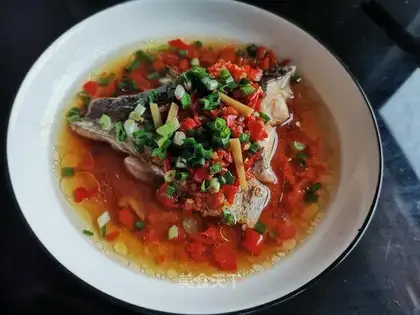
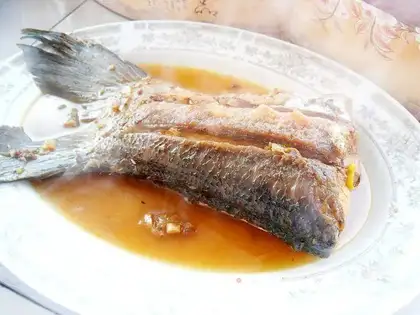
Fish, a cornerstone of global cuisines and nutritional science, is often celebrated for its fillets—rich in protein, omega-3 fatty acids, and essential vitamins. Yet, one frequently overlooked but nutrient-dense part is the fish tail. While not as popular as filets or roe, fish tail (including the tail section of various fish like salmon, cod, mackerel, and carp) offers a unique profile of nutrients, culinary versatility, and health benefits. This article explores the nutritional value of fish tail, its evidence-based health benefits, potential precautions, and tips for safe consumption, positioning it as a valuable addition to a balanced diet.
Nutritional Value of Fish Tail: A Hidden Treasure
Fish tail, like other fish parts, is a rich source of high-quality protein, essential amino acids, and micronutrients, though its exact composition varies by fish species, diet, and preparation method. Compared to filets, the tail may contain higher levels of collagen, connective tissues, and minerals, making it a distinct nutritional resource.
High-Quality Protein and Essential Amino Acids
Protein is the building block of muscles, tissues, and enzymes, and fish tail excels as a lean protein source. A 100-gram serving of cooked fish tail (from a fatty fish like salmon) provides approximately 18–22 grams of protein, comparable to chicken breast or lean beef. This protein is “complete,” meaning it contains all nine essential amino acids (histidine, isoleucine, leucine, lysine, methionine, phenylalanine, threonine, tryptophan, and valine) that the body cannot synthesize independently. These amino acids support muscle repair, immune function, and hormone production, making fish tail particularly beneficial for athletes, older adults, and those recovering from illness.
Collagen and Connective Tissues
Unlike the flaky texture of fish filets, the tail is rich in collagen—a structural protein that gives skin, bones, and connective tissues their strength and elasticity. Collagen breaks down into gelatin during cooking, which is easily digestible and supports joint health, skin hydration, and gut integrity. For example, fish tail soup, a staple in many Asian cultures, is prized for its gelatinous broth, which is believed to nourish joints and improve skin elasticity. While the collagen content varies by species (oily fish like salmon have more than lean fish like cod), even modest amounts can contribute to daily collagen intake, especially when consumed regularly.
Omega-3 Fatty Acids
Fish tail is a notable source of omega-3 polyunsaturated fatty acids, particularly eicosapentaenoic acid (EPA) and docosahexaenoic acid (DHA). These fats are abundant in fatty fish (salmon, mackerel, sardines) and are less concentrated in lean fish (cod, tilapia), but the tail still provides meaningful amounts. Omega-3s are critical for brain health, reducing inflammation, and supporting cardiovascular function. A 100-gram serving of salmon tail, for instance, contains 0.5–1.2 grams of EPA and DHA, meeting or exceeding the American Heart Association’s recommendation of at least 0.5 grams per week for heart health.
Micronutrients: Vitamins and Minerals
Fish tail is a micronutrient powerhouse, particularly rich in:
- Vitamin D: Essential for calcium absorption, bone health, and immune function. Fatty fish tails are one of the few natural food sources of vitamin D, with a 100-gram serving providing 200–400 IU (50–100% of the daily recommended intake).
- Vitamin B12: Crucial for nerve function, red blood cell formation, and DNA synthesis. A 100-gram serving of fish tail can supply 2–3 micrograms of B12, exceeding the daily requirement (2.4 micrograms for adults).
- Selenium: A powerful antioxidant that protects cells from damage and supports thyroid function. Fish tail provides 15–30 micrograms of selenium per 100 grams, about 25–50% of the daily recommended intake.
- Phosphorus and Calcium: Vital for bone and teeth health. While fish bones (often present in the tail) are the primary source of calcium (providing up to 100 mg per 100 grams in small, soft-boned fish like sardines), the tail flesh also contributes phosphorus, which works with calcium to maintain bone structure.
- Iron and Zinc: Iron supports oxygen transport in the blood, while zinc boosts immune function and wound healing. Fish tail contains 0.5–1.5 mg of iron and 1–2 mg of zinc per 100 grams, making it a valuable addition to diets lacking in red meat.
Health Benefits of Fish Tail: Beyond Nutrition
The combination of protein, collagen, omega-3s, and micronutrients in fish tail translates to a range of health benefits, from physical wellness to chronic disease prevention.
1. Supports Joint and Bone Health
Collagen and omega-3s in fish tail are particularly beneficial for joint health. Collagen provides the raw materials for repairing cartilage—the flexible tissue that cushions joints—while omega-3s reduce inflammation, alleviating symptoms of arthritis and joint pain. A 2017 study in Osteoarthritis and Cartilage found that collagen supplementation reduced joint pain and improved mobility in adults with osteoarthritis, and fish tail, as a natural collagen source, may offer similar benefits. Additionally, the calcium and phosphorus in fish bones (if consumed safely) strengthen bones, reducing the risk of osteoporosis, especially in older adults.
2. Promotes Skin Health and Anti-Aging
Collagen is a key component of skin, accounting for 70–80% of its dry weight. As we age, collagen production declines, leading to wrinkles, sagging, and dry skin. The collagen and gelatin in fish tail help replenish the skin’s natural collagen, improving elasticity, hydration, and firmness. Omega-3s further enhance skin health by reducing inflammation (which can exacerbate conditions like eczema and acne) and protecting against UV damage. A 2020 review in Nutrients highlighted that omega-3 fatty acids increase skin’s resistance to sunburn and reduce the risk of photoaging, making fish tail a dual-threat for skin vitality.
3. Boosts Heart Health
The omega-3 fatty acids (EPA and DHA) in fish tail are well-documented for their cardiovascular benefits. They lower triglyceride levels (a type of blood fat linked to heart disease), reduce blood pressure, and decrease the risk of arrhythmias (irregular heartbeats). The American Heart Association recommends eating two servings of fatty fish per week to reduce the risk of heart disease, and fish tail can be part of this strategy. Additionally, the selenium in fish tail acts as an antioxidant, preventing oxidative stress in blood vessels and reducing the buildup of arterial plaque.
4. Enhances Muscle Recovery and Growth
For athletes and active individuals, fish tail is an ideal post-workout meal. Its high protein content (18–22 grams per 100 grams) provides the amino acids needed to repair muscle damage and stimulate muscle protein synthesis. Leucine, an essential amino acid abundant in fish tail, plays a particularly important role in triggering muscle growth. A 2019 study in the Journal of the International Society of Sports Nutrition found that post-workout protein intake from fish enhanced muscle recovery and strength gains in resistance-trained individuals, making fish tail a natural alternative to protein supplements.
5. Supports Brain and Cognitive Function
DHA, a major omega-3 in fish tail, is a primary structural component of the brain and retina. It is critical for brain development in infants and for maintaining cognitive function in adults. Research suggests that adequate DHA intake reduces the risk of age-related cognitive decline, Alzheimer’s disease, and depression. A 2021 study in Neurology found that older adults with higher DHA levels had larger brain volumes and better cognitive performance, highlighting the importance of fish-derived DHA for lifelong brain health.
6. Aids Digestive and Gut Health
The gelatin in fish tail soup is gentle on the digestive system and can help heal the gut lining. Gelatin contains amino acids like glycine and proline, which support the production of stomach acid and digestive enzymes, improving nutrient absorption. For individuals with conditions like leaky gut syndrome or irritable bowel syndrome (IBS), fish tail broth is often recommended as a soothing, easy-to-digest food that reduces inflammation and promotes gut health.
Precautions and Potential Risks: Who Should Be Cautious?
While fish tail is highly nutritious, there are important precautions to consider, particularly regarding mercury contamination, bone safety, and allergies.
1. Mercury Contamination: A Critical Concern
Mercury is a toxic heavy metal that accumulates in fish, especially large, predatory species like shark, swordfish, and king mackerel. The tail of these fish may contain high levels of mercury, which can harm the nervous system, kidneys, and immune system, particularly in pregnant women, young children, and nursing mothers. To minimize risk:
- Choose low-mercury fish: Opt for small, fatty fish like salmon, sardines, Atlantic mackerel, and cod, which have lower mercury levels.
- Limit consumption: The FDA recommends eating 2–3 servings (8–12 ounces total) of low-mercury fish per week for most adults; pregnant women and young children should limit intake to 2–3 servings per week and avoid high-mercury fish entirely.
2. Bone Safety: Avoid Choking Hazards
Fish tail often contains small, sharp bones, which pose a choking risk, especially for children, older adults, or individuals with swallowing difficulties. To safely consume fish tail:
- Choose fish with soft, small bones: Sardines, smelts, and small salmon tails have bones that soften during cooking and can be eaten safely.
- Remove bones: For larger fish (like cod or tilapia), carefully remove all bones before eating or use a strainer when consuming soups.
3. Allergies: Fish Allergy Cross-Reactivity
Fish allergies are common and can cause severe reactions, including anaphylaxis. Individuals with a fish allergy should avoid fish tail entirely, as it contains the same proteins (e.g., parvalbumin) that trigger allergic reactions. Even cross-contamination (e.g., using the same cutting board for fish and other foods) can be dangerous for highly allergic individuals.
4. Purine Content: A Concern for Gout
Fish tail, particularly from oily fish, is high in purines—compounds that break down into uric acid. In individuals with gout (a form of arthritis caused by high uric levels), excessive purine intake can trigger painful flare-ups. While moderate consumption of low-purine fish (like cod) is generally safe, those with gout should limit high-purine fish (like salmon and mackerel) and consult a healthcare provider before adding fish tail to their diet.
5. Preparation Matters: Avoid Unhealthy Cooking Methods
The health benefits of fish tail can be negated by unhealthy cooking practices. Frying or breading the tail adds excess calories, unhealthy fats, and acrylamides (a carcinogen formed during high-heat cooking). Instead, opt for:
- Steaming: Preserves nutrients and keeps the tail low in calories.
- Baking or grilling: Enhances flavor without adding fat.
- Soups or stews: Leaches collagen and minerals into the broth, creating a nutrient-dense meal.
Culinary Uses: How to Incorporate Fish Tail into Your Diet
Fish tail is a versatile ingredient used in cuisines worldwide. Here are some popular and healthy ways to prepare it:
1. Fish Tail Soup
A staple in Asian and European cuisines, fish tail soup is made by simmering the tail with vegetables, herbs, and spices. The slow cooking process breaks down collagen into gelatin, resulting in a rich, savory broth. For example:
- Chinese-style fish tail soup: Simmer salmon tail with ginger, garlic, tofu, and bok choy for a protein-rich meal.
- Mediterranean fish stew: Add cod or tilapia tails to a tomato-based stew with olives, capers, and herbs.
2. Grilled or Baked Fish Tail
Marinate the tail in lemon juice, olive oil, and herbs (like thyme or rosemary) before grilling or baking. This method highlights the tail’s natural flavor while keeping it low in fat. Serve with a side of roasted vegetables or quinoa for a balanced meal.
3. Fish Tail Curry
In Indian and Southeast Asian cuisines, fish tail is curried with coconut milk, spices (turmeric, cumin, coriander), and vegetables. The curry adds flavor while the fish tail provides protein and omega-3s. Opt for light coconut milk to reduce saturated fat intake.
4. Fish Tail Tacos or Wraps
Flake cooked fish tail and use it as a filling for tacos or whole-wheat wraps. Add fresh salsa, avocado, and cabbage for a nutritious, satisfying meal.
5. Fish Tail Pâté or Terrine
Blend cooked fish tail with herbs, lemon, and a small amount of olive oil to create a pâté. Serve with whole-grain crackers for a protein-rich snack or appetizer.
Conclusion: Embrace the Nutritional Potential of Fish Tail
Fish tail is a nutritional powerhouse that offers a unique combination of protein, collagen, omega-3s, and micronutrients, supporting joint health, skin vitality, heart function, and more. While it is often overshadowed by fish filets, its versatility in cooking and distinct health benefits make it a valuable addition to a balanced diet. By choosing low-mercury fish, preparing it safely, and consuming it in moderation, individuals can harness the full potential of fish tail while minimizing risks. Whether in a soothing soup, a grilled fillet, or a flavorful curry, fish tail deserves a place at the table as a delicious and nutrient-dense ingredient. As the saying goes, “waste not, want not”—and fish tail is a perfect example of how overlooked parts of food can be transformed into culinary and nutritional gold.