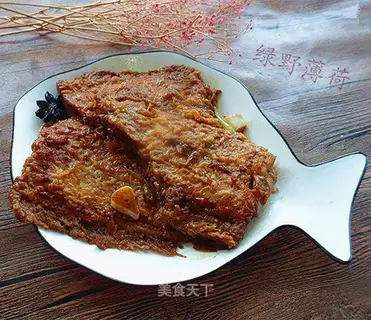
Sole fish, commonly known as "鳎目鱼" in Chinese, is a flatfish belonging to the family Soleidae, renowned for its delicate flavor, tender texture, and versatility in culinary arts. Primarily found in coastal waters of the Atlantic, Pacific, and Indian Oceans, this fish has been a staple in Mediterranean, Asian, and European cuisines for centuries. Beyond its culinary appeal, sole fish is celebrated for its exceptional nutritional profile and numerous health benefits. However, like all seafood, it is essential to understand its proper consumption guidelines, including potential precautions, to maximize its advantages while minimizing risks. This article provides a comprehensive overview of the nutritional value, health benefits, and食用禁忌 (edible taboos/precautions) of sole fish, offering insights for both health enthusiasts and culinary explorers.
I. Nutritional Value of Sole Fish
Sole fish is a nutrient-dense food, rich in high-quality protein, essential vitamins, and minerals, while being low in unhealthy fats. Its nutritional composition makes it an excellent addition to a balanced diet.
1. High-Quality Protein
Protein is a vital macronutrient essential for muscle repair, immune function, and overall growth. Sole fish is an outstanding source of lean protein, with approximately 20–22 grams of protein per 100-gram serving. Unlike fatty fish, sole fish is low in saturated fat, making it ideal for individuals seeking to increase protein intake without excess calories or unhealthy fats. The protein in sole fish contains all essential amino acids, including lysine, methionine, and tryptophan, which are crucial for the body’s physiological processes.
2. Rich in Essential Vitamins
Sole fish is a notable source of several key vitamins, particularly B vitamins and fat-soluble vitamins like vitamin D and vitamin E.
- B Vitamins: It is abundant in vitamin B12 (cobalamin), which plays a critical role in nerve function, red blood cell formation, and DNA synthesis. A 100-gram serving of sole fish can provide up to 50–60% of the daily recommended intake of vitamin B12, making it particularly beneficial for individuals at risk of deficiency, such as vegetarians or older adults. Additionally, it contains niacin (vitamin B3) and riboflavin (vitamin B2), which aid in energy metabolism and skin health.
- Vitamin D: Often referred to as the "sunshine vitamin," vitamin D is essential for calcium absorption, bone health, and immune regulation. Sole fish is one of the few natural dietary sources of vitamin D, with a 100-gram serving providing approximately 10–15% of the daily requirement. This is particularly valuable for people with limited sun exposure or those following a vitamin D-deficient diet.
- Vitamin E: As a powerful antioxidant, vitamin E helps protect cells from oxidative damage caused by free radicals. Sole fish contains moderate amounts of vitamin E, contributing to its overall antioxidant profile.
3. Abundance of Minerals
Sole fish is packed with essential minerals that support various bodily functions:
- Selenium: This trace mineral is a key component of antioxidant enzymes, such as glutathione peroxidase, which neutralize harmful free radicals. Sole fish is an excellent source of selenium, with a 100-gram serving providing around 30–40 micrograms, meeting nearly 70% of the daily recommended intake for adults. Selenium also plays a role in thyroid hormone metabolism and immune function.
- Phosphorus: Essential for bone and teeth formation, phosphorus works in tandem with calcium to maintain skeletal health. Sole fish provides approximately 200–250 milligrams of phosphorus per 100 grams, supporting energy production and cell signaling.
- Magnesium: Involved in over 300 enzymatic reactions, magnesium regulates muscle and nerve function, blood sugar levels, and blood pressure. A serving of sole fish offers about 30–40 milligrams of magnesium, contributing to daily magnesium needs.
- Iron: While not as high in iron as red meat, sole fish contains non-heme iron, which is still beneficial for preventing iron deficiency anemia, especially when consumed with vitamin C-enhanced foods (e.g., vegetables) to improve absorption.
4. Low in Fat and Calories
Sole fish is inherently lean, with only 1–2 grams of fat per 100 grams, most of which consists of healthy unsaturated fats, including omega-3 fatty acids. Although lower in omega-3s than fatty fish like salmon or mackerel, it still provides small amounts of eicosapentaenoic acid (EPA) and docosahexaenoic acid (DHA), which have anti-inflammatory properties. With approximately 90–100 calories per 100 grams, sole fish is an excellent choice for weight management and heart-healthy diets.
II. Health Benefits of Sole Fish
The unique combination of nutrients in sole fish confers a range of health benefits, from supporting heart and brain health to enhancing immune function and promoting skin vitality.
1. Promotes Heart Health
The low saturated fat content and presence of omega-3 fatty acids in sole fish make it a heart-healthy food. Omega-3s help reduce triglyceride levels, lower blood pressure, and decrease the risk of arrhythmias, all of which contribute to a reduced risk of cardiovascular diseases. Additionally, the selenium in sole fish protects the heart from oxidative stress, while vitamin B12 helps lower homocysteine levels—an amino acid linked to an increased risk of heart disease when elevated.
2. Supports Brain Function and Mental Health
The omega-3 fatty acids (DHA and EPA) in sole fish are critical for brain development and cognitive function. DHA, in particular, is a major structural component of the brain and retina, making it essential for memory, learning, and overall mental well-being. Studies suggest that regular consumption of omega-3-rich fish may reduce the risk of age-related cognitive decline, depression, and anxiety. Moreover, vitamin B12 deficiency has been linked to neurological disorders, and sole fish’s high B12 content helps maintain healthy nerve cells and prevent cognitive impairment.
3. Strengthens Immune System
Sole fish’s rich mineral and vitamin profile supports immune function. Selenium, for instance, enhances the activity of immune cells, such as T-cells and natural killer cells, helping the body fight infections and diseases. Vitamin D, another key nutrient in sole fish, modulates immune responses, reducing the risk of autoimmune diseases and respiratory infections. The protein in sole fish also provides the necessary building blocks for antibodies, further bolstering immune defenses.
4. Enhances Skin and Hair Health
The vitamins and antioxidants in sole fish contribute to healthy skin and hair. Vitamin E, a potent antioxidant, protects skin cells from UV damage and premature aging, while vitamin A (derived from beta-carotene in some varieties) supports skin repair and moisture retention. Omega-3 fatty acids help reduce inflammation in the body, which can alleviate skin conditions like eczema and psoriasis. Additionally, the protein in sole fish provides amino acids necessary for collagen production, a protein that maintains skin elasticity and reduces wrinkles.
5. Aids in Weight Management
With its low calorie and high protein content, sole fish is an ideal food for weight loss and weight management. Protein promotes satiety, reducing hunger and cravings, which helps lower overall calorie intake. Unlike high-fat meats, sole fish provides lean protein without adding excessive calories, making it a staple in low-calorie and high-protein diets.
6. Supports Bone Health
Sole fish is a good source of phosphorus and vitamin D, both of which are essential for bone health. Phosphorus works with calcium to form hydroxyapatite, the mineral complex that gives bones their strength. Vitamin D enhances calcium absorption in the intestines, ensuring that bones receive adequate calcium to maintain density and prevent osteoporosis. Regular consumption of sole fish, especially in older adults, can help reduce the risk of bone fractures and age-related bone loss.
III. Precautions and Edible Taboos When Consuming Sole Fish
While sole fish offers numerous health benefits, improper consumption or certain health conditions may pose risks. Understanding the precautions associated with sole fish is crucial to ensure safe and healthy consumption.
1. Mercury Content and Vulnerable Populations
Like many fish, sole fish contains trace amounts of mercury, a heavy metal that can accumulate in the body over time and cause neurological damage, particularly in developing fetuses, infants, and young children. While sole fish is generally lower in mercury than larger predatory fish (e.g., shark, swordfish), pregnant women, nursing mothers, and young children should limit their intake to 1–2 servings per week (approximately 8–12 ounces total) to minimize mercury exposure. Adults can safely consume 2–3 servings per week as part of a balanced diet.
2. Allergic Reactions
Fish allergies are among the most common food allergies, and sole fish can trigger allergic reactions in sensitive individuals. Symptoms may range from mild (hives, itching, digestive discomfort) to severe (anaphylaxis, difficulty breathing). Individuals with known fish allergies should avoid sole fish entirely. Those trying sole fish for the first time should start with a small portion and monitor for adverse reactions.
3. Purine Content and Gout Risk
Sole fish contains moderate levels of purines, natural compounds that break down into uric acid in the body. High uric acid levels can trigger gout, a painful form of arthritis characterized by joint inflammation. Individuals with gout or a history of uric acid kidney stones should limit their intake of sole fish, especially during flare-ups. A low-purine diet, which restricts fish consumption to 1–2 servings per week, is recommended for such individuals.
4. Food Safety and Freshness
Sole fish is highly perishable due to its delicate texture and high protein content. Consuming spoiled or improperly stored sole fish can lead to foodborne illnesses, such as salmonella or listeria infections. To ensure safety:
- Buy fresh: Choose sole fish with clear eyes, firm flesh, and a mild, ocean-like smell. Avoid fish with cloudy eyes, discolored flesh, or a strong fishy odor.
- Store properly: Refrigerate sole fish at 0–4°C (32–39°F) and consume within 1–2 days of purchase. For longer storage, freeze it at -18°C (0°F) or below for up to 3 months.
- Cook thoroughly: Cook sole fish to an internal temperature of 63°C (145°F) to kill harmful bacteria. Avoid raw or undercooked sole fish, such as in sushi or ceviche, unless it is labeled "sushi-grade" and handled with extreme care.
5. Interaction with Medications
Sole fish’s high vitamin K content may interact with blood-thinning medications like warfarin. Vitamin K plays a role in blood clotting, and sudden changes in vitamin K intake can affect the medication’s efficacy. Individuals taking warfarin should maintain consistent vitamin K intake and consult their healthcare provider before making significant dietary changes, including increased consumption of sole fish.
6. Sustainability and Environmental Concerns
Overfishing and unsustainable fishing practices can deplete sole fish populations and harm marine ecosystems. To promote sustainability, consumers should choose sole fish from certified sustainable sources, such as those labeled by the Marine Stewardship Council (MSC) or certified by the Aquaculture Stewardship Council (ASC). Avoiding sole fish caught during spawning seasons (typically spring and summer in some regions) also helps protect breeding populations.
IV. Conclusion
Sole fish is a nutritional powerhouse, offering a wealth of health benefits—from supporting heart and brain function to enhancing immune health and promoting skin vitality. Its high protein, vitamin, and mineral content, combined with low fat and calories, makes it an excellent choice for individuals seeking a healthy and balanced diet. However, mindful consumption is key to maximizing its benefits while minimizing risks. By being aware of mercury levels, allergic reactions, purine content, food safety guidelines, medication interactions, and sustainability concerns, individuals can safely enjoy sole fish as part of a nutritious and sustainable lifestyle. Whether grilled, baked, or steamed, sole fish is not only a delicious culinary delight but also a valuable ally in maintaining overall health and well-being.