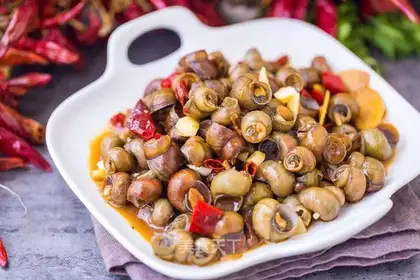
For centuries, river snails—commonly known as field snails or pond snails—have been a staple in culinary traditions across Asia, Africa, and Europe. These small, spiral-shelled mollusks, often overlooked in Western diets, are packed with surprising nutritional value, offering a unique combination of protein, vitamins, and minerals. While they are celebrated for their health benefits, their consumption also comes with important precautions. This article explores the nutritional profile of river snails, their potential health benefits, and critical guidelines for safe consumption.
Nutritional Profile: A Tiny Package of Nutrients
River snails are a nutritional powerhouse considering their small size. A 100-gram serving of cooked river snails (without shells) contains approximately:
- Protein: 16–18 grams, making them an excellent source of high-quality protein comparable to lean meats like chicken or fish. Protein is essential for muscle repair, immune function, and overall growth.
- Low Fat: Only 1–2 grams of fat per serving, with most being heart-healthy unsaturated fats. They are virtually cholesterol-free, especially when cooked without added fats.
- Vitamins:
- Vitamin B12: Critical for nerve function and red blood cell formation; river snails provide about 300% of the daily recommended intake per 100 grams.
- Iron: 3–5 milligrams, which is vital for preventing anemia. The iron in snails is non-heme iron, but its absorption is enhanced by the vitamin C often present in accompanying dishes (e.g., herbs, tomatoes).
- Vitamin A and E: Important for vision, skin health, and antioxidant protection.
- Minerals:
- Calcium: 200–300 milligrams, contributing to bone and teeth health. This is particularly significant for individuals dairy-sensitive or seeking plant-based calcium sources.
- Zinc: 2–3 milligrams, supporting immune function and wound healing.
- Selenium: A powerful antioxidant that helps combat oxidative stress.
- Amino Acids: They contain all nine essential amino acids, including lysine and methionine, which are often lacking in plant-based diets.
Additionally, river snails are rich in glycogen, a stored form of glucose that provides quick energy, and mucopolysaccharides, compounds that support joint health and skin elasticity.
Health Benefits: Beyond Nutrition
The nutritional composition of river snails translates into several evidence-based health benefits:
1. Muscle Development and Repair
With one of the highest protein contents among invertebrates, river snails are ideal for athletes, fitness enthusiasts, or individuals recovering from illness. Protein breaks down into amino acids, which are the building blocks of muscles. Unlike some animal proteins, snail protein is low in saturated fat, reducing the risk of heart disease.
2. Boosts Immune Function
The combination of zinc, selenium, and vitamin B12 in river snails strengthens the immune system. Zinc deficiency impairs immune cell function, increasing susceptibility to infections, while selenium enhances antioxidant defenses, protecting cells from damage. Vitamin B12, meanwhile, supports the production of white blood cells, which are critical for fighting pathogens.
3. Supports Bone Health
River snails are an underrated source of calcium, providing up to 30% of the daily recommended intake per 100 grams. Calcium, paired with phosphorus (also present in snails), is essential for maintaining bone density and preventing osteoporosis, especially in older adults.
4. Aids in Weight Management
Low in calories (around 90–100 calories per 100 grams) and high in protein and fiber (from the digestive tract, if consumed), river snails promote satiety, reducing overall calorie intake. Protein also requires more energy to digest than fats or carbohydrates, a phenomenon known as the thermic effect of food (TEF), which further supports weight loss.
5. Promotes Heart Health
The low-fat, high-protein profile of river snails makes them a heart-healthy alternative to red meat. They contain omega-3 fatty acids (in small amounts), which reduce inflammation and lower triglyceride levels. Additionally, their potassium content helps regulate blood pressure by balancing sodium levels.
6. Enhances Skin and Hair Health
The mucopolysaccharides in river snails have moisturizing properties, similar to those found in hyaluronic acid, a popular skincare ingredient. These compounds retain water in the skin, reducing dryness and improving elasticity. Zinc and vitamin E also support skin repair and protect against UV damage, while protein provides the necessary amino acids for hair growth.
Culinary Uses and Cultural Significance
Beyond nutrition, river snails hold cultural importance in many regions. In China, luosifen (river snail rice noodles) is a famous dish from Liuzhou, where snails are simmered with bamboo shoots, wood ear mushrooms, and spicy broth. In France, escargots are a delicacy, often baked garlic and parsley butter. In West Africa, snails are used in soups and stews, valued for their ability to thicken dishes naturally due to their mucilage content.
These culinary traditions highlight the versatility of river snails, which can be grilled, stewed, boiled, or dried and powdered for seasoning. Their mild, earthy flavor absorbs spices well, making them adaptable to various cuisines.
Precautions and Safe Consumption
While river snails offer numerous health benefits, improper handling or consumption can pose serious risks. Here are key precautions to keep in mind:
1. Risk of Parasitic Infections
River snails are intermediate hosts for parasites, such as Angiostrongylus cantonensis (rat lungworm), which can cause eosinophilic meningitis in humans. This parasite is prevalent in raw or undercooked snails, particularly in tropical regions. To eliminate this risk:
- Always cook snails thoroughly: Boil, steam, or grill them at temperatures above 70°C (158°F) for at least 5–10 minutes.
- Avoid eating raw snails: Dishes like escargots de Bourgogne are cooked safely, but raw snail dishes (e.g., in some Vietnamese salads) should be avoided unless sourced from parasite-free, controlled environments.
2. Heavy Metal Contamination
Snails that live in polluted waters (e.g., near industrial areas or heavy traffic) can accumulate heavy metals like lead, cadmium, and mercury. These toxins can cause long-term health issues, including kidney damage and neurological problems.
- Source snails from clean waters: Purchase from reputable suppliers or harvest from unpolluted, natural water bodies. Avoid snails from urban or contaminated areas.
- Check local advisories: Some regions issue warnings about heavy metal levels in wild snails.
3. Allergic Reactions
Though rare, some individuals may be allergic to snail protein. Symptoms include hives, swelling, or difficulty breathing. Those with shellfish allergies (e.g., shrimp, crab) should exercise caution, as snails belong to the same phylum (Mollusca) and may cross-react.
4. High Cholesterol in Some Preparations
While snails themselves are low in cholesterol, traditional cooking methods (e.g., frying in butter or adding rich sauces) can increase their cholesterol and calorie content. Opt for steaming, grilling, or light stir-frying to maximize health benefits.
5. Not Suitable for Everyone
- Pregnant women and young children: Should avoid snails due to the risk of parasitic infections and heavy metals.
- Individuals with kidney disease: Snails are high in protein, which may strain kidney function if consumed in excess. Consult a doctor before including them in the diet.
Conclusion
River snails are a nutritional treasure, offering a unique blend of protein, vitamins, and minerals that support muscle health, immunity, and bone strength. Their culinary versatility and cultural significance make them a valuable addition to diverse diets, but their consumption must be approached with caution. By sourcing snails from clean waters, cooking them thoroughly, and being mindful of individual health conditions, one can safely enjoy their benefits. As the world seeks sustainable and nutrient-dense foods, the humble river snail may just emerge as a superfood of the future—bridging tradition, nutrition, and wellness.