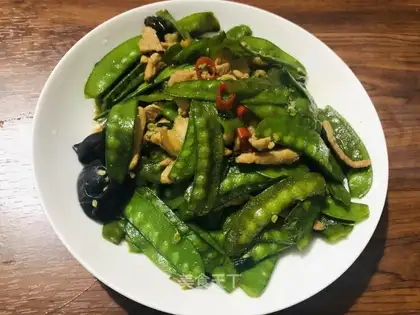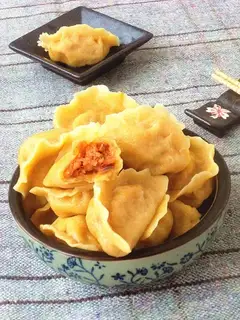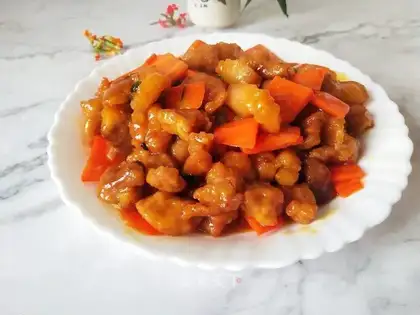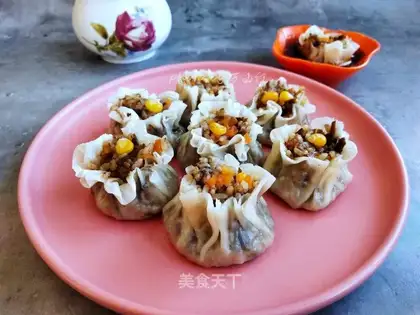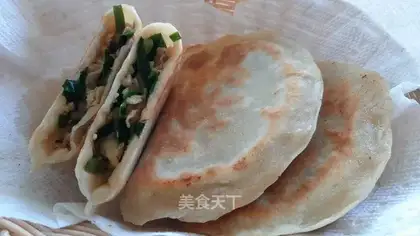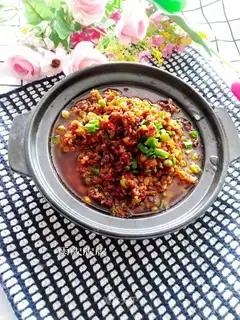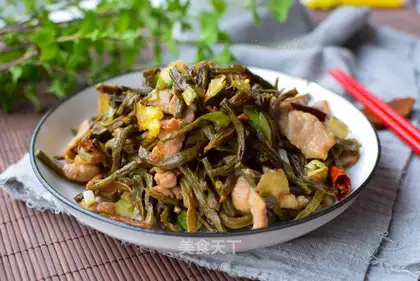
The term “drying” refers more generally to dried vegetables made from fresh vegetables, which were used to be dried, mostly to preserve fresh vegetables that could not be eaten more than once, and to reserve them for winter shorts to address the four-season segment and uneven clothing of vegetables. When she was a child in the countryside, she was self-sufficient in vegetables, had fewer vegetables and had fewer winters, except for cabbage. Summer bean horns, pumpkins, cabbage, fall radish leaves, even sesame leaves, oil leaves, sorghums, etc. are tanned into dry vegetables, and in the winter, they can be sacrificed for their teeth. Most dry vegetables are cooked or fertilized before they are dried and preserved, and the taste of dried vegetables has become special, which is now “dry vegetables” no longer for the purpose of storing them, but rather for the main reason of a particular flavor, so that they can be transmitted. Dry food is a very farmer-like food in our area. Not only do farmers' restaurants have these, but even the big hotels make them a variety of foods. The Krabs like to eat radish, sesame leaves and beans, and they're delicious. It's really good to have a dry bean and a little pork. Let's see what we can do。