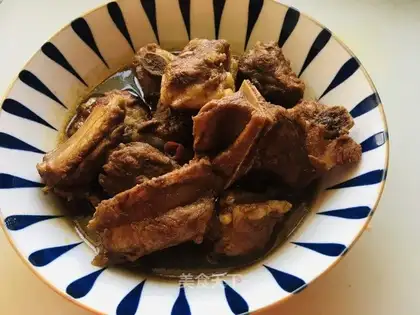
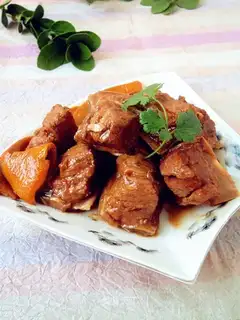
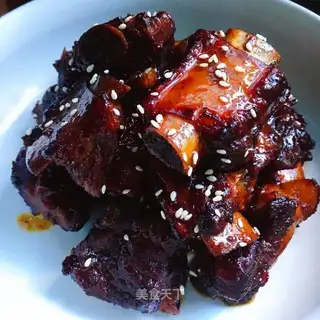
Pork ribs, a beloved staple in cuisines worldwide, are more than just a tender, flavorful cut of meat—they are a nutritional powerhouse offering a unique blend of essential nutrients, health benefits, and culinary versatility. From succulent barbecue spare ribs to Chinese braised spare ribs, this cut has earned its place in both traditional and modern diets. However, like all foods, pork ribs should be consumed mindfully to maximize their benefits while minimizing potential risks. This article explores the nutritional profile of pork ribs, their health benefits, and important considerations for safe and healthy consumption.
I. Nutritional Profile of Pork Ribs
Pork ribs are primarily sourced from the ribcage of pigs, with two main cuts: spare ribs (from the belly, more fat and meat) and back ribs (from the loin, leaner with less meat). Both cuts offer a rich nutrient profile, though their macronutrient and micronutrient compositions vary slightly. A 100-gram serving of cooked pork spare ribs (approximately 3–4 ribs) contains:
1. High-Quality Protein
Pork ribs are an excellent source of complete protein, providing all nine essential amino acids that the body cannot produce independently. Protein is vital for muscle repair, immune function, and enzyme production. A 100-gram serving of spare ribs delivers around 22–25 grams of protein, making it a valuable option for athletes, growing children, and individuals recovering from illness.
2. Essential Vitamins
- Vitamin B12: Critical for nerve function, red blood cell formation, and DNA synthesis. Pork ribs are one of the best dietary sources of B12, with a 100-gram serving providing over 100% of the daily recommended intake (DRI).
- Vitamin B6: Supports metabolism, brain health, and hemoglobin production. A 100-gram serving contributes roughly 30% of the DRI.
- Niacin (Vitamin B3): Essential for energy metabolism and skin health. Pork ribs offer about 25% of the DRI per 100 grams.
- Vitamin D: Important for bone health and immune regulation. While not as abundant as in fatty fish, pork ribs contain small amounts, especially in cuts with more fat.
3. Key Minerals
- Zinc: Crucial for immune function, wound healing, and DNA synthesis. A 100-gram serving of spare ribs provides approximately 20–25% of the DRI, making it a significant source for individuals at risk of deficiency, such as vegetarians or older adults.
- Phosphorus: Works with calcium to build strong bones and teeth. Pork ribs supply about 15% of the DRI per 100 grams.
- Iron: Supports oxygen transport in the blood. While less bioavailable than iron from red meat, pork ribs still contribute to daily iron needs, particularly for individuals with iron-deficiency anemia.
- Selenium: A powerful antioxidant that protects cells from damage. A 100-gram serving provides about 30% of the DRI.
4. Fats
Pork ribs contain a mix of saturated and unsaturated fats. Spare ribs are higher in fat (around 15–20 grams per 100 grams), with about 40% being saturated fat and the rest monounsaturated and polyunsaturated fats, including oleic acid (found in olive oil) and small amounts of omega-3 fatty acids. While excessive saturated fat intake is linked to heart disease, moderate consumption of pork ribs can fit into a balanced diet when leaner cuts are chosen and preparation methods are optimized (e.g., trimming visible fat).
II. Health Benefits of Pork Ribs
When consumed as part of a balanced diet, pork ribs offer several health benefits, thanks to their nutrient density:
1. Supports Muscle Maintenance and Growth
The high-quality protein in pork ribs provides the amino acids needed for muscle protein synthesis, making it an ideal food for athletes, older adults (to combat sarcopenia), and individuals recovering from surgery or injury.
2. Boosts Immune Function
Pork ribs are rich in zinc and vitamin B6, both of which play critical roles in immune health. Zinc deficiency impairs immune cell function, while B6 supports the production of antibodies and cytokines, helping the body fight infections.
3. Enhances Energy Production
The B vitamins (B12, B6, niacin) in pork ribs are cofactors in energy metabolism, converting food into usable energy. For individuals with active lifestyles or those experiencing fatigue, pork ribs can help replenish B vitamin stores.
4. Promotes Bone Health
Phosphorus and vitamin D in pork ribs support bone mineralization and calcium absorption, reducing the risk of osteoporosis, especially in older adults.
5. Supports Brain Health
Vitamin B12 is essential for maintaining the myelin sheath that protects nerve fibers, and its deficiency has been linked to cognitive decline. Regular consumption of pork ribs may help prevent B12-related neurological issues.
6. Provides Satiety
The combination of protein and fat in pork ribs promotes feelings of fullness, which can aid in weight management by reducing overeating and snacking between meals.
III. Important Considerations: Consumption and Potential Risks
While pork ribs offer numerous benefits, several factors must be considered to ensure they are consumed safely and healthily:
1. Fat Content and Heart Health
Pork ribs, particularly spare ribs, are high in saturated fat, which can raise LDL (“bad”) cholesterol levels and increase the risk of heart disease when consumed in excess. To mitigate this:
- Choose back ribs or lean cuts (e.g., ribeye with visible fat trimmed).
- Limit portion sizes (e.g., 2–3 ribs per serving) and balance meals with fiber-rich vegetables and whole grains.
- Avoid deep-frying or using high-fat sauces; instead, opt for grilling, baking, or smoking with herbs and spices.
2. Sodium Intake
Many pork rib recipes (e.g., barbecue, braised) call for high amounts of salt, soy sauce, or commercial marinades, which can contribute to hypertension and water retention. To reduce sodium:
- Use low-sodium broths and seasonings.
- Flavor ribs with herbs (rosemary, thyme), spices (paprika, garlic powder), and citrus instead of salt.
- Rinse ribs before cooking to remove excess surface sodium.
3. Cooking Methods and Carcinogens
High-temperature cooking methods like grilling or charring can produce harmful compounds such as heterocyclic amines (HCAs) and polycyclic aromatic hydrocarbons (PAHs), which are linked to cancer. To minimize risk:
- Marinate ribs in acidic solutions (e.g., vinegar, lemon juice) before grilling, as this reduces HCA formation.
- Avoid direct flames; use indirect grilling or foil to prevent charring.
- Trim excess fat to reduce flare-ups, which create PAHs.
4. Food Safety and Trichinosis
Undercooked pork can harbor Trichinella parasites, causing trichinosis, a foodborne illness characterized by muscle pain, fever, and digestive issues. To ensure safety:
- Cook ribs to an internal temperature of 145°F (63°C), as recommended by the USDA.
- Use a meat thermometer to verify doneness, as color alone is not a reliable indicator.
- Store raw ribs at 40°F (4°C) or below and cook them within 2 days of purchase.
5. Dietary Restrictions
- Halal/Kosher Diets: Pork is forbidden in Islam and Judaism, so adherents must avoid pork ribs.
- Vegetarian/Vegan Diets: Pork ribs are animal-based and not suitable for plant-based diets.
- Kidney Disease: Due to their high phosphorus and potassium content, pork ribs may need to be limited or avoided by individuals with kidney dysfunction unless advised by a healthcare provider.
IV. Culinary Versatility and Healthy Preparation Tips
Pork ribs are incredibly versatile and can be adapted to various dietary preferences while retaining their nutritional benefits. Here are some healthy preparation ideas:
1. Grilling or Smoking
Grill or smoke ribs with a dry rub of herbs, spices, and a touch of brown sugar. Avoid commercial BBQ sauces, which are often high in sugar and sodium; instead, make a homemade version with tomato paste, apple cider vinegar, and spices.
2. Baking or Roasting
Bake ribs in the oven at 325°F (163°F) for 2–3 hours, then finish under the broiler for caramelization. This method requires less added fat than frying.
3. Slow Cooking
Slow-cook ribs with vegetables (e.g., onions, carrots, celery) and a low-sodium broth for a tender, nutrient-rich meal. The slow cooking process breaks down collagen, making the meat easier to digest.
4. Pairing with Nutrient-Rich Foods
Serve ribs with fiber-rich sides like roasted sweet potatoes, quinoa, or steamed broccoli to balance the meal and enhance satiety. Add a side of salad with leafy greens for extra vitamins and minerals.
Conclusion
Pork ribs are a nutrient-dense food that offers a unique combination of high-quality protein, essential vitamins (B12, B6, niacin), and minerals (zinc, phosphorus, selenium). When consumed in moderation and prepared using healthy cooking methods, they can support muscle growth, immune function, energy production, and bone health. However, mindful consumption is key to avoiding risks associated with high saturated fat, sodium, and carcinogen formation. By choosing leaner cuts, limiting portion sizes, and pairing ribs with nutrient-rich foods, individuals can enjoy this delicious cut as part of a balanced diet. Whether grilled, smoked, or slow-cooked, pork ribs remain a culinary delight that nourishes both body and soul.