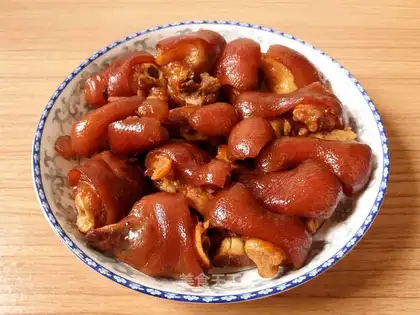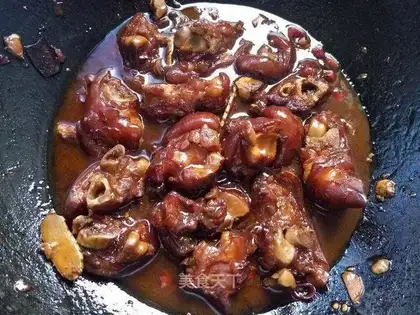
Pig feet are also called pig hoofs, pig hands, pig elbows, full of glued proteins, and a beauty. The pig's feet are of two different kinds: the front hoof's flesh is small, it is curved, and the back hoof's flesh is small, and it is straight. The usual cooking methods are sauce, halogen, roast, roast, stew, etc. The Chinese doctor considers the pig's hoof to be flat and salty, a delicious dish and a “good medicine” for the treatment of diseases like bear palms. 1. The adhesive proteins in pig hoofs can be converted into chromosomes, which combine many waters, thus effectively improving the physiological function of the organism and the water storage function of skin tissue cells, preventing premature wrinkles of the skin and delaying skin ageing. 2. Pork hoofs must have a complementary effect on those who suffer from frequent limb fatigue, leg cramps, numbing, digestive haemorrhage, haemogenic shock and ischaemic cerebral disorders, which also helps adolescents to grow and slow down osteoporosis among middle-aged women. 3. Pork hoofs are rich in gelatinic protein, which promotes fur growth, pre-empts myocardia, improves coronary heart disease and cerebrovascular disease, and has some therapeutic effect on digestive haemorrhage and water loss. Pig hoofs are rich and delicious. It's not only a common dish, it's also a cuisine. Food nutrition specialists analysed 15.8 g of protein, 26.3 g of fat and 1.7 g of carbohydrates per 100 g pig hoof. Pork hoofs also contain nutrients such as vitamin A, B, C and calcium, phosphorus and iron, in particular protein hydrolysis in pig hoofs, resulting in 11 amino acids, such as screamic acid, which are comparable to bear palms. From a medical point of view, pig hoofs are also good for many uses. Pork hoofs contain abundant gelatinic protein, a form of glue consisting of biomolecules and the most important protein component in muscular, tenacity and conjunctive tissue. In humans, glue is about one third of the protein. If there is an anomaly in the synthesis of gelatine proteins, there will be a “gela disease”. Focus on increasing the elasticity of skin. The pig's feet are rich in glue, and continuous daily intake of 5,000 mg of glue protein increases the elasticity of the skin, reduces the lines and makes it look younger。