Pork blood, often overlooked or misunderstood in Western cuisines but celebrated in many Asian and European culinary traditions, is a nutrient-dense ingredient with a rich history and remarkable health benefits. This dark, jelly-like substance, obtained from freshly slaughtered pigs, has been used in dishes ranging from hearty stews to delicate soups for centuries. Beyond its culinary applications, pork blood is a nutritional powerhouse, packed with essential vitamins, minerals, and proteins. However, like all ingredients, it must be consumed with awareness of potential risks and precautions. This article explores the nutritional profile, health benefits, culinary uses, and important considerations regarding pork blood consumption.
Nutritional Profile: A Concentrated Source of Essential Nutrients
Pork blood is often called a "superfood" due to its exceptional concentration of nutrients relative to its low calorie content. A 100-gram serving of cooked pork blood contains approximately 55 calories, 6 grams of protein, and minimal fat (less than 1 gram), making it an excellent choice for those seeking high-nutrient, low-calorie foods.
1. High-Quality Protein
Protein is vital for muscle repair, immune function, and overall growth. Pork blood is a complete protein, meaning it contains all nine essential amino acids that the human body cannot produce independently. The amino acid profile in pork blood closely matches the body’s needs, with particularly high levels of lysine, methionine, and cysteine, which are often limited in plant-based proteins. This makes it a valuable addition to diets for athletes, recovering patients, or individuals looking to increase their protein intake.
2. Iron: A standout Nutrient
One of the most notable nutrients in pork blood is iron. A 100-gram serving provides approximately 2.5 milligrams of iron, which is about 14% of the daily recommended intake for adults. Unlike iron from plant sources (non-heme iron), the iron in pork blood is heme iron, which is more easily absorbed by the body (up to 30% compared to 2-10% for non-heme iron). Heme iron is particularly beneficial for individuals with iron-deficiency anemia, as it efficiently replenishes hemoglobin levels and improves oxygen transport in the blood.
3. Minerals for Vital Functions
Pork blood is rich in essential minerals, including:
- Zinc: Crucial for immune health, wound healing, and DNA synthesis. A 100-gram serving contains around 1.5 mg of zinc, about 14% of the daily value.
- Copper: Works with iron to form red blood cells and supports nervous system function.
- Phosphorus: Essential for bone health, energy production, and cell repair.
- Selenium: A powerful antioxidant that protects cells from damage and supports thyroid function.
- Calcium: Present in smaller amounts, it contributes to bone and teeth health.
4. Vitamins and Bioactive Compounds
Pork blood contains several B vitamins, including B12 (cobalamin), which is vital for nerve function and DNA synthesis. A 100-gram serving provides approximately 0.6 micrograms of vitamin B12, covering 25% of the daily recommended intake. It also contains vitamin D, which supports calcium absorption and immune health, and choline, which aids in brain development and liver function. Additionally, pork blood is rich in peptides and amino acids that may have antioxidant and anti-inflammatory properties.
Health Benefits: Beyond Nutrition
The unique composition of pork blood translates to several health benefits, making it more than just a culinary ingredient.
1. Combating Iron Deficiency Anemia
Iron deficiency is one of the most common nutritional deficiencies worldwide, leading to fatigue, weakness, and impaired cognitive function. The high bioavailability of heme iron in pork blood makes it an effective remedy for anemia. Studies have shown that consuming heme iron sources can significantly increase hemoglobin levels more efficiently than plant-based iron supplements, which often cause digestive side effects.
2. Supporting Immune Function
The combination of zinc, selenium, and vitamin B12 in pork blood plays a critical role in immune health. Zinc helps activate immune cells, while selenium enhances the body’s antioxidant defenses, reducing oxidative stress that can weaken the immune system. Vitamin B12 is essential for the production of white blood cells, which are responsible for fighting infections.
3. Promoting Muscle and Tissue Repair
The high-quality protein and amino acids in pork blood support muscle growth and repair, making it beneficial for athletes, post-surgery patients, or individuals recovering from injuries. The presence of glycine, an amino acid abundant in pork blood, also aids in collagen synthesis, which is crucial for skin, joint, and bone health.
4. Detoxification and Liver Health
Pork blood contains compounds that may support liver function by aiding in the removal of toxins. In traditional Chinese medicine, dishes like "blood tofu" (coagulated pork blood) are believed to "cleanse the blood" and improve liver health. While modern research is limited, some studies suggest that the peptides in blood products may help bind heavy metals and facilitate their excretion.
5. Boosting Energy Levels
Iron and B vitamins in pork blood are key players in energy metabolism. Iron ensures efficient oxygen transport to cells, while B12 helps convert food into energy. Individuals with low iron or B12 levels often experience fatigue, and incorporating pork blood into their diet may help alleviate these symptoms.
Culinary Uses: A Global Delicacy
Pork blood is a versatile ingredient used in diverse cuisines, adding unique flavors, textures, and nutritional value to dishes.
1. Asian Cuisine
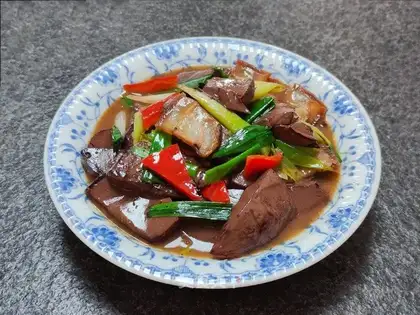
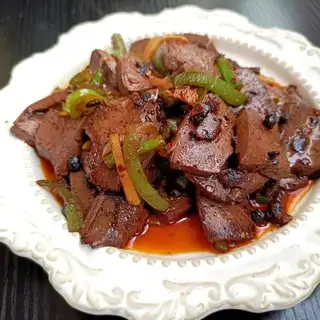
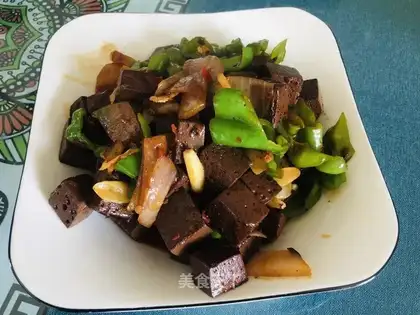
In China, pork blood is a staple in regional dishes. "Blood tofu" (xue doufu) is a popular snack or ingredient, often stir-fried with garlic, ginger, and chili or added to hot pot. In Southeast Asia, dishes like soto (Indonesian soup) and dinuguan (Filipino pork blood stew) feature pork blood as a key component, contributing a rich, savory flavor and thick consistency. In Vietnam, tiết canh is a raw pork blood dish mixed with herbs and peanuts, though it is controversial due to food safety risks.
2. European Cuisine
In Europe, pork blood is traditionally used in blood sausages (black pudding in the UK, boudin noir in France, blutwurst in Germany). These sausages are made by mixing pork blood with fat, spices, and grains, then stuffing them into casings. Blood sausages are often served with mashed potatoes, apples, or sauerkraut, offering a hearty, flavorful meal.
3. Innovative Culinary Applications
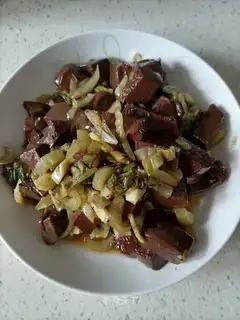
Modern chefs are rediscovering pork blood for its versatility. It can be used to make stocks, broths, and sauces for its umami-rich flavor. When coagulated, it can be shaped into cubes or slices and added to salads, stir-fries, or grain bowls. Some even use it as a natural thickener for stews or gravies, replacing artificial additives.
Precautions and Risks: Safe Consumption Practices
While pork blood offers numerous health benefits, it is not without risks. Proper handling, cooking, and moderation are essential to avoid potential health hazards.
1. Food Safety and Contamination
Pork blood is highly perishable and must be handled with care to prevent bacterial contamination (e.g., Salmonella, E. coli). It should be sourced from reputable suppliers, stored at or below 4°C (39°F), and cooked thoroughly to kill pathogens. Consuming raw or undercooked pork blood, as in tiết canh, increases the risk of foodborne illnesses.
2. High Cholesterol Content
Pork blood contains dietary cholesterol (approximately 50-60 mg per 100 grams), which has raised concerns about heart health. However, recent research suggests that dietary cholesterol has a minimal impact on blood cholesterol levels for most people. The saturated fat content in pork blood is low, and it is the overall dietary pattern (e.g., intake of saturated and trans fats) that has a greater influence on heart health. Individuals with existing heart conditions or high cholesterol should consult a healthcare provider before consuming pork blood regularly.
3. Purine Content and Gout
Pork blood is high in purines, natural compounds that break down into uric acid. Excessive uric acid can lead to gout, a painful form of arthritis. Individuals with gout or a history of kidney stones should limit their intake of high-purine foods, including pork blood.
4. Allergies and Sensitivities
Though rare, some people may be allergic to pork blood. Symptoms can include hives, swelling, or digestive issues. Those with known allergies should avoid it entirely.
5. Moderation is Key
Like all foods, pork blood should be consumed in moderation. A serving of 50-100 grams once or twice a week is sufficient to reap its nutritional benefits without exceeding recommended limits for cholesterol or purines.
Conclusion
Pork blood is a nutrient-dense ingredient that offers a unique combination of high-quality protein, heme iron, essential minerals, and vitamins. Its culinary versatility, from traditional stews to modern dishes, makes it a valuable addition to diverse diets. However, safe handling, thorough cooking, and moderation are crucial to avoid potential risks. For those seeking to enhance their nutrient intake or explore new flavors, pork blood is a worthy contender—provided it is consumed responsibly. As global cuisine continues to evolve, this often-overlooked ingredient is gaining recognition for its remarkable health benefits and culinary potential, proving that even the most humble foods can be nutritional powerhouses.