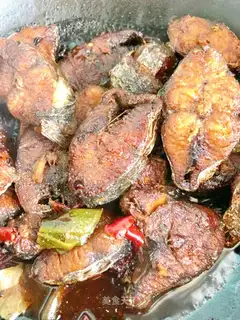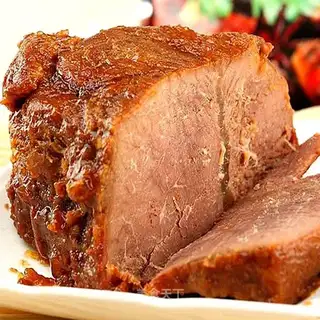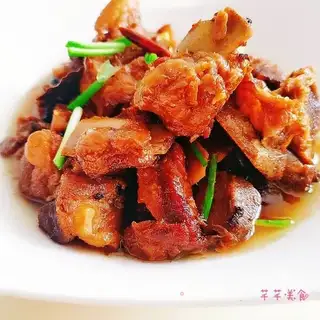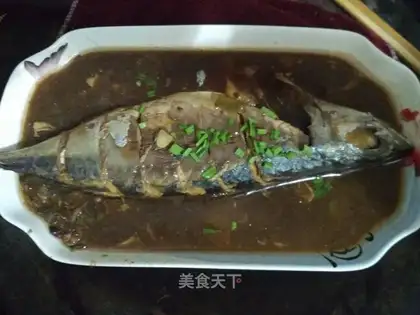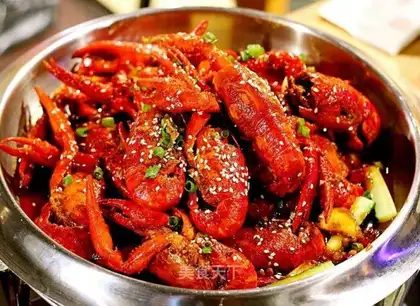
Shrimp, which originates from the Han oil field in Hubei, Hubei province, is now spreading throughout the world and has been adapted to local tastes and has become a famous dish. The main cooking process is fried. They are famous for their colourful dates, their fragrance, their tender sweetness and their oily mouths. Traditional prawns tend to be more healthy and nourished than the “five-seventy-oil shrimps” in the river, reaching extreme levels of nutritional health and taste through hundreds of years of sedimentation, i.e. maintaining the smallest level of nutrient loss of raw shrimps and adapting them to difficult appetites. Because “five-seventy oily prawns” are not suitable for all humans, the fragrances and Chinese medicine that have been put into them are no longer necessary among the population of the Jianghan oil fields, and the food table in the old Jianghan oil fields is much lighter than that made of garlic, quail eggs or potatoes, small amounts of peppers and peppers, and the crayfish gas is a new, purer form of “shrimp” adapted to the current trend towards healthy diets。
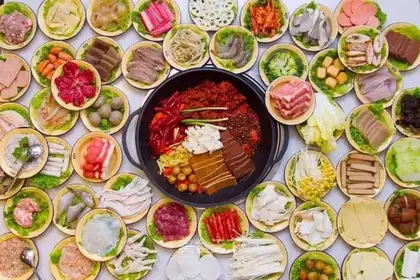
The hot pot is the traditional diet of China and has a long history. While the packagings of the hot pots, their make-up and their delimentation have evolved over the last millennium, one common element remains the burning of the pots, the heating of the foods with water and soup. This cooking method has been widespread since the week of commerce, and it can be described as a hot pot. In the Han Poetry, it is written that ancient rituals or festivals are to be eaten by “bringing the bells”, i.e. the world is surrounded by the bells, and foods such as cattle and goats are to be cooked in them, which is the seed of a hot pot. After the evolution of Qin, Han and Tang Dynasty, it was not until Song Dynasty had a real record of the hot pot。
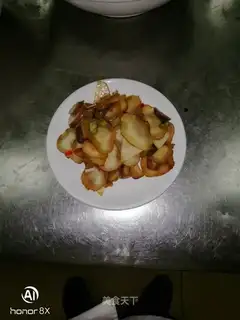
Ginger is also called custard, a very common root-breed dish, which has a soft taste and a light tan. Ginger is alive and can grow in some poor natural environments. When I was a child, I often saw it on the ground and by the ditch, and it was possible to collect it by the end of autumn and early winter. It looks like ginger, but tastes different. It contains a variety of trace elements and vitamins that meet the needs of normal metabolism in the body, as well as a large quantity of gynthics, which are resistant to cancer, antibacterials, blood pressure and resin, and can regulate blood sugar, so that ginger is also a health diet that is particularly suitable for the group of elderly people。