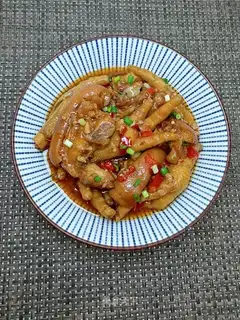
Pig’s trotters, often referred to as "paws" or "knuckles," are a culinary staple in many cultures, prized for their rich flavor, gelatinous texture, and versatility in soups, stews, braised dishes, and even desserts. Beyond their culinary appeal, pig’s trotters are a nutritional powerhouse, offering a unique profile of essential nutrients, health benefits, and traditional medicinal properties. However, like any food, they must be consumed mindfully, considering potential dietary restrictions and health considerations. This article explores the nutritional value, health benefits, and precautions associated with pig’s trotters, providing a holistic guide for food enthusiasts and health-conscious individuals alike.
I. Nutritional Value of Pig’s Trotters
Pig’s trotters are a nutrient-dense food, rich in protein, collagen, essential minerals, and vitamins, making them a valuable addition to a balanced diet.
1. High-Quality Protein and Collagen
One of the most notable nutritional components of pig’s trotters is their high collagen content. Collagen is a structural protein that accounts for nearly 30% of the body’s protein, playing a crucial role in maintaining skin elasticity, joint health, and connective tissue integrity. Unlike other cuts of pork, pig’s trotters contain a higher proportion of collagen (about 25-30%) compared to muscle protein. When cooked slowly, collagen breaks down into gelatin, which is easily digestible and supports gut health by strengthening the intestinal lining.
In addition to collagen, pig’s trotters provide complete proteins, containing all nine essential amino acids (lysine, methionine, valine, etc.) that the body cannot produce independently. These amino acids are vital for muscle repair, immune function, and enzyme production. A 100-gram serving of cooked pig’s trotters contains approximately 20-25 grams of protein, making it an excellent protein source for individuals recovering from illness or athletes seeking muscle recovery.
2. Essential Minerals
Pig’s trotters are a rich source of essential minerals, particularly calcium, phosphorus, iron, and zinc. Calcium and phosphorus are critical for bone health, working synergistically to maintain bone density and prevent osteoporosis. A 100-gram serving of pig’s trotters provides around 50-60 milligrams of calcium and 150-200 milligrams of phosphorus, contributing significantly to daily mineral requirements.
Iron, another key mineral, is abundant in pig’s trotters, with approximately 2-3 milligrams per 100-gram serving. Iron is essential for hemoglobin production, which transports oxygen throughout the body, making it particularly beneficial for individuals with iron-deficiency anemia. Zinc, present in moderate amounts (1-2 milligrams per 100 grams), supports immune function, wound healing, and DNA synthesis.
3. Vitamins and Low Fat
While pig’s trotters are often perceived as fatty, their fat content is primarily composed of monounsaturated and saturated fats, with minimal trans fats. A 100-gram serving contains about 15-20 grams of fat, but when the skin is removed, the fat content decreases significantly. Additionally, pig’s trotters contain B vitamins, including niacin (B3), vitamin B6, and vitamin B12, which are essential for energy metabolism, nervous system function, and red blood cell formation.
4. Low-Calorie Density
Compared to fattier cuts of pork (such as belly or ribs), pig’s trotters have a moderate calorie count, with approximately 200-250 calories per 100 grams when cooked without excessive added fats. This makes them a suitable option for weight management when prepared healthily, such as by boiling or steaming instead of deep-frying.
II. Health Benefits of Pig’s Trotters
The unique nutritional profile of pig’s trotters translates into a range of health benefits, supported by both traditional medicine and modern research.
1. Joint and Bone Health
Collagen and gelatin derived from pig’s trotters are widely recognized for their positive effects on joint health. As people age, collagen production decreases, leading to joint pain, stiffness, and conditions like osteoarthritis. Studies suggest that consuming collagen hydrolysate (a broken-down form of collagen) from pig’s trotters can reduce joint pain, improve flexibility, and support cartilage regeneration. The high calcium and phosphorus content further strengthens bones, reducing the risk of fractures and age-related bone loss.
2. Skin Health and Anti-Aging
Collagen is a key component of the skin, responsible for its firmness and hydration. The gelatin from cooked pig’s trotters helps replenish the body’s collagen stores, potentially reducing wrinkles, improving skin elasticity, and combating dryness. Traditional Chinese medicine (TCM) often prescribes pig’s trotter soup to promote skin radiance and slow aging, particularly for women during or after pregnancy.
3. Wound Healing and Tissue Repair
The amino acids in pig’s trotters, particularly glycine and proline, play a crucial role in wound healing. These amino acids stimulate fibroblast production, the cells responsible for repairing damaged tissues. Additionally, the zinc content supports immune function, further enhancing the body’s ability to heal wounds and recover from surgeries or injuries.
4. Digestive Health
Gelatin, derived from collagen, has been shown to support gut health by strengthening the intestinal mucosa and reducing inflammation in the digestive tract. It can help alleviate conditions like leaky gut syndrome by improving the integrity of the gut lining. For individuals with digestive issues, consuming pig’s trotter broth (rich in gelatin) can be soothing and nourishing.
5. Energy and Immune Support
The B vitamins in pig’s trotters are essential for converting food into energy, making them a great choice for combating fatigue. Zinc and vitamin B12 further boost immune function, helping the body fight infections and illnesses. Pregnant and lactating women, in particular, may benefit from the iron and B12 content, which support fetal development and prevent anemia.
III. Precautions and Dietary Considerations
While pig’s trotters offer numerous health benefits, they are not suitable for everyone. Certain dietary restrictions and health conditions necessitate moderation or avoidance.
1. High Cholesterol and Saturated Fat Content
Pig’s trotters are relatively high in cholesterol (around 100-150 milligrams per 100 grams) and saturated fat. Individuals with high cholesterol, heart disease, or a history of cardiovascular issues should consume them in moderation. The American Heart Association recommends limiting daily cholesterol intake to 300 milligrams (or 200 milligrams for those with existing heart conditions). For such individuals, removing the skin and trimming visible fat before cooking can reduce cholesterol and fat content.
2. Sodium Sensitivity
Traditional preparations of pig’s trotters, such as braised or stewed dishes, often involve high amounts of soy sauce, salt, or other seasonings, which can increase sodium content. Excessive sodium intake is linked to high blood pressure and fluid retention. Those with hypertension or kidney disease should opt for low-sodium cooking methods, such as boiling with minimal salt or using herbs and spices for flavor.
3. Allergies and Intolerances
While rare, some individuals may be allergic to pork or collagen. Symptoms of a pork allergy include hives, swelling, digestive upset, or anaphylaxis in severe cases. Additionally, individuals with gelatin allergies (a component derived from collagen) should avoid pig’s trotters entirely.
4. Pregnancy and Lactation
Pregnant women can safely consume pig’s trotters in moderation, as they provide protein, iron, and collagen, which support maternal and fetal health. However, excessive intake should be avoided due to the high cholesterol content. Lactating women may benefit from the nutrient-rich broth to enhance milk production, but individual tolerance varies.
5. Kidney and Liver Conditions
Individuals with kidney or liver disease should consult a healthcare provider before consuming pig’s trotters. The high protein and mineral content may strain kidney function in those with pre-existing conditions, while the liver metabolizes cholesterol and fats, requiring moderation for liver health.
IV. Culinary Tips for Healthy Preparation
To maximize the health benefits of pig’s trotters while minimizing potential risks, consider these cooking tips:
- Choose Lean Cuts: Opt for trotters with minimal visible fat and remove the skin before cooking to reduce fat and cholesterol content.
- Use Healthy Cooking Methods: Boiling, steaming, or slow-cooking are preferable to deep-frying, as they retain nutrients without adding excessive fats.
- Limit Sodium: Use herbs, spices, and low-sodium broths to flavor dishes instead of relying on salt or soy sauce.
- Balance the Diet: Pair pig’s trotters with vegetables, whole grains, and lean proteins to create a balanced meal and avoid overconsumption of fats.
Conclusion
Pig’s trotters are a nutrient-rich food that offers a unique combination of protein, collagen, minerals, and vitamins, supporting joint health, skin vitality, digestion, and immune function. While they provide numerous benefits, moderation is key, especially for individuals with heart disease, high cholesterol, or kidney issues. By preparing them healthily and considering individual dietary needs, pig’s trotters can be enjoyed as both a delicious culinary delight and a valuable component of a nutritious diet. Whether in a hearty soup, a braised dish, or a traditional remedy, pig’s trotters continue to earn their place as a timeless and versatile ingredient in global cuisine.