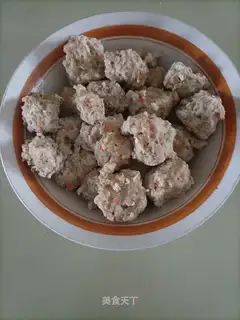
Pork, one of the most widely consumed meats globally, comes in various cuts, each with distinct characteristics. Among them, pork hind leg—often referred to as pork leg or fresh ham—stands out as a versatile and nutrient-dense cut. Whether roasted, braised, or cured, pork hind leg not only serves as a culinary staple in many cuisines but also offers a rich profile of essential nutrients, health benefits, and potential risks when consumed mindfully. This article explores the nutritional value, health-promoting properties, and important precautions associated with pork hind leg, providing a comprehensive guide for incorporating this cut into a balanced diet.
I. Nutritional Value of Pork Hind Leg
Pork hind leg is a nutritional powerhouse, offering a balanced combination of high-quality protein, vitamins, minerals, and other bioactive compounds. A 100-gram serving of cooked pork hind leg (trimmed of visible fat) typically contains:
1. High-Quality Protein
Protein is essential for building and repairing tissues, supporting immune function, and maintaining muscle mass—particularly important for athletes, older adults, and those recovering from illness. Pork hind leg provides approximately 25-30 grams of protein per 100 grams, with a complete amino acid profile that includes all nine essential amino acids (lysine, leucine, isoleucine, etc.). Unlike plant-based proteins, pork protein is highly bioavailable, meaning the body absorbs and utilizes it efficiently.
2. Vitamins
- Vitamin B1 (Thiamine): Pork hind leg is one of the best dietary sources of thiamine, a vitamin critical for energy metabolism and nervous system function. A 100-gram serving can provide up to 50-60% of the daily recommended intake (DRI). Thiamine deficiency, rare in developed countries but still a concern in some regions, can lead to fatigue, nerve damage, and impaired cognitive function.
- Vitamin B6: This vitamin plays a key role in protein metabolism, red blood cell production, and neurotransmitter synthesis. Pork hind leg contains about 0.5 mg of vitamin B6 per 100 grams, meeting around 30% of the DRI. Adequate vitamin B6 intake is linked to a reduced risk of heart disease and improved mood regulation.
- Niacin (Vitamin B3): Essential for converting food into energy, maintaining healthy skin, and supporting digestive function, niacin is abundant in pork hind leg. A 100-gram serving provides roughly 7-8 mg of niacin, covering 40-50% of the DRI. Niacin deficiency can cause pellagra, a condition characterized by dermatitis, diarrhea, and dementia.
- Vitamin B12: Found almost exclusively in animal products, vitamin B12 is vital for nerve function, DNA synthesis, and red blood cell formation. Pork hind leg is a rich source, with 100 grams providing approximately 0.6-0.8 µg, meeting 25-30% of the DRI. Vegetarians and vegans are often at risk of B12 deficiency, making pork a valuable option for omnivores.
3. Minerals
- Selenium: A powerful antioxidant, selenium protects cells from oxidative damage, supports thyroid function, and boosts immune health. Pork hind leg is one of the top dietary sources of selenium, with 100 grams containing 20-30 µg (36-54% of the DRI). Studies suggest that adequate selenium intake may reduce the risk of certain cancers and heart disease.
- Zinc: Essential for immune function, wound healing, and DNA synthesis, zinc is abundant in pork hind leg. A 100-gram serving provides 3-4 mg of zinc, covering 25-30% of the DRI. Zinc deficiency can weaken the immune system and slow growth in children.
- Phosphorus: This mineral works with calcium to build strong bones and teeth, and it also supports kidney function and energy production. Pork hind leg contains around 200-250 mg of phosphorus per 100 grams, meeting 25-30% of the DRI.
- Iron: Pork hind leg is a source of heme iron, the type of iron found in animal products that is more easily absorbed than non-heme iron from plants. A 100-gram serving provides 1.5-2 mg of iron, covering 8-10% of the DRI for women and 18-20% for men. Iron is critical for preventing anemia, a condition characterized by fatigue, weakness, and shortness of breath.
4. Fat Profile
While pork hind leg is leaner than fattier cuts like pork belly, it still contains a moderate amount of fat (10-15 grams per 100 grams). The fat composition includes monounsaturated fats (e.g., oleic acid, the same healthy fat found in olive oil), saturated fats, and small amounts of polyunsaturated fats, including omega-3 and omega-6 fatty acids. The leanest portions, such as the eye of the round, can have as little as 5 grams of fat per 100 grams, making it a suitable option for low-fat diets.
II. Health Benefits of Pork Hind Leg
The nutrient density of pork hind leg translates to several health benefits when consumed as part of a balanced diet.
1. Supports Muscle Growth and Repair
The high-quality protein in pork hind leg provides the amino acids necessary for muscle protein synthesis, making it an ideal food for athletes, older adults (to combat sarcopenia, or age-related muscle loss), and individuals recovering from surgery or injury. Leucine, an essential amino acid abundant in pork, plays a particularly key role in triggering muscle growth.
2. Boosts Energy and Metabolism
The B vitamins in pork hind leg—thiamine, niacin, and B6—are essential for converting carbohydrates, fats, and proteins into energy. Thiamine, in particular, helps the body break down glucose, the primary fuel for the brain and muscles. Adequate B vitamin intake can prevent fatigue and improve physical performance.
3. Enhances Immune Function
Pork hind leg is rich in zinc and selenium, minerals that play critical roles in immune health. Zinc supports the development and function of immune cells, while selenium acts as an antioxidant to protect immune cells from oxidative stress. Studies have shown that zinc deficiency can impair immune response, increasing susceptibility to infections.
4. Promotes Brain Health
Vitamin B12, abundant in pork hind leg, is vital for maintaining the myelin sheath that protects nerve fibers and supports neurotransmitter production. Deficiency in B12 can lead to cognitive decline, memory loss, and even neurological disorders. Additionally, choline, a nutrient found in pork, is important for brain development and function, particularly in fetal and infant stages.
5. Supports Bone Health
Phosphorus, along with calcium, is a key component of bones and teeth. Pork hind leg provides a significant amount of phosphorus, which works with calcium to maintain bone density and strength. This is especially important for older adults, who are at risk of osteoporosis.
6. Helps Regulate Blood Sugar
The protein and fat in pork hind leg can help slow the absorption of glucose into the bloodstream, preventing spikes in blood sugar levels. This makes it a suitable food for individuals with diabetes or prediabetes when consumed in moderation and as part of a balanced meal that includes fiber-rich carbohydrates (e.g., vegetables, whole grains).
III. Precautions and Potential Risks
While pork hind leg offers numerous health benefits, there are important precautions to consider to minimize potential risks.
1. Saturated Fat and Heart Health
Though leaner than other cuts, pork hind leg still contains saturated fat, which can raise LDL (“bad”) cholesterol levels when consumed in excess. High saturated fat intake is linked to an increased risk of heart disease. To mitigate this, choose lean cuts (e.g., eye of the round, sirloin tip), trim visible fat before cooking, and limit portion sizes (aim for 100-150 grams per serving).
2. Sodium Content in Processed Varieties
Cured pork products, such as ham, bacon, and prosciutto, are high in sodium due to the curing process. Excessive sodium intake can increase blood pressure and raise the risk of heart disease and stroke. For individuals with hypertension or kidney disease, fresh or minimally processed pork hind leg is a healthier choice than cured versions. If consuming cured pork, opt for low-sodium varieties and limit intake to occasional treats.
3. Risk of Foodborne Illness
Undercooked pork can harbor harmful bacteria, such as Salmonella, E. coli, and Yersinia, as well as parasites like Trichinella. To reduce the risk of foodborne illness, cook pork hind leg to an internal temperature of 63°C (145°F) for whole cuts or 71°C (160°F) for ground pork, as recommended by the USDA. Use a meat thermometer to ensure accuracy, and avoid cross-contamination by keeping raw pork separate from other foods.
4. Purine Content for Gout Sufferers
Pork hind leg is moderately high in purines, natural compounds that break down into uric acid. In individuals with gout, high uric acid levels can trigger painful joint inflammation. If you have gout or a history of kidney stones, limit your intake of pork hind leg and other purine-rich foods (e.g., organ meats, shellfish).
5. Hormones and Antibiotics
In some countries, pigs may be raised with hormones or antibiotics to promote growth. While regulatory bodies (e.g., the FDA in the U.S.) monitor these substances to ensure they are within safe limits, consumers concerned about exposure can opt for organic or pasture-raised pork, which is raised without added hormones or routine antibiotics.
IV. Incorporating Pork Hind Leg into a Balanced Diet
To maximize the health benefits of pork hind leg, follow these tips:
- Choose Lean Cuts: Opt for cuts like the eye of the round, sirloin tip, or fresh ham, which are lower in fat.
- Cook Healthily: Use low-fat cooking methods such as grilling, baking, roasting, or stir-frying with minimal oil. Avoid deep-frying, which adds excess fat and calories.
- Pair with Fiber-Rich Foods: Serve pork hind leg with vegetables, whole grains (e.g., quinoa, brown rice), or legumes to increase fiber intake and slow glucose absorption.
- Moderation is Key: Limit portion sizes to 100-150 grams per serving, and consume pork hind leg 2-3 times per week as part of a varied diet that includes other protein sources (e.g., poultry, fish, beans, lentils).
Conclusion
Pork hind leg is a nutrient-dense cut that offers a wealth of health benefits, from supporting muscle growth and immune function to promoting brain and bone health. Its high protein content, abundance of B vitamins, and rich mineral profile make it a valuable addition to a balanced diet. However, to minimize risks, it is important to choose lean cuts, cook it thoroughly, limit processed varieties, and consume it in moderation. By understanding its nutritional value and taking appropriate precautions, pork hind leg can be enjoyed as a delicious and healthy part of a diverse and nutritious diet.