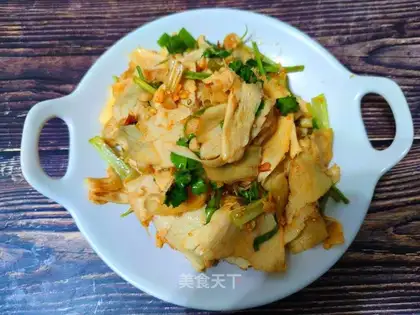
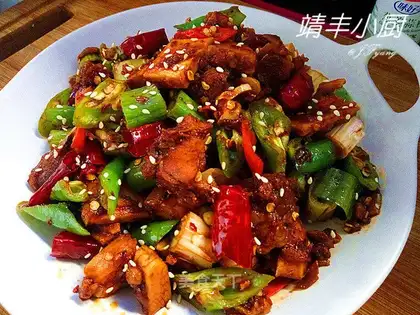
Beef cartilage, often overlooked in mainstream Western diets, has been a prized ingredient in traditional cuisines across Asia, Europe, and Latin America for centuries. Derived from the connective tissues of cattle, this tough, collagen-rich substance is gaining renewed attention for its unique nutritional profile and potential health benefits. Once dismissed as mere "offal," beef cartilage is now celebrated for its role in joint health, skin vitality, and holistic wellness. However, like any food, it must be consumed mindfully to avoid potential risks. This article explores the nutritional composition of beef cartilage, its evidence-based health benefits, and important considerations for safe consumption.
Nutritional Value of Beef Cartilage
Beef cartilage is a nutritional powerhouse, primarily composed of collagen, protein, and a range of bioactive compounds that contribute to its health-promoting properties. Its nutritional profile sets it apart from muscle meats, offering distinct advantages when incorporated into a balanced diet.
1. Collagen and Protein
The most abundant component of beef cartilage is collagen, which accounts for approximately 60–70% of its dry weight. Collagen is a structural protein that provides strength and elasticity to connective tissues, including tendons, ligaments, and skin. Unlike the collagen found in muscle meats, cartilage collagen is primarily type II, which is particularly beneficial for joint health. When cooked, collagen breaks down into gelatin, a form that is easier for the body to digest and absorb.
In addition to collagen, beef cartilage is a rich source of high-quality protein, containing all nine essential amino acids necessary for human health. These amino acids, such as glycine, proline, and hydroxyproline, play critical roles in tissue repair, immune function, and enzyme production. A 100-gram serving of dried beef cartilage provides approximately 30–40 grams of protein, making it a valuable protein source for individuals following low-fat or high-protein diets.
2. Glycosaminoglycans (GAGs)
Beef cartilage is also rich in glycosaminoglycans (GAGs), a group of complex carbohydrates that include chondroitin sulfate, glucosamine, and hyaluronic acid. These compounds are naturally present in joint cartilage and synovial fluid, where they act as shock absorbers and lubricants. Chondroitin sulfate, in particular, is widely used as a dietary supplement to alleviate osteoarthritis symptoms, as it may help reduce inflammation and promote cartilage regeneration. Glucosamine supports the synthesis of GAGs, while hyaluronic acid enhances skin hydration and joint mobility.
3. Minerals and Bioactive Compounds
Beef cartilage contains a variety of essential minerals, including calcium, phosphorus, magnesium, and sulfur. These minerals are vital for bone health, nerve function, and metabolic processes. For example, calcium and phosphorus work together to maintain bone density, while sulfur is a key component of collagen and other proteins.
Furthermore, cartilage is a source of bioactive peptides, which are short chains of amino acids that may exhibit antioxidant, anti-inflammatory, and immune-modulating effects. These peptides are released during digestion and can interact with the body’s cells to promote healing and reduce oxidative stress.
Health Benefits of Beef Cartilage
The nutritional composition of beef cartilage translates into a range of health benefits, particularly for joint, skin, and gut health. While some of these benefits are supported by traditional use and emerging research, others require further scientific validation.
1. Supports Joint Health and Reduces Arthritis Symptoms
One of the most well-documented benefits of beef cartilage is its potential to improve joint health and alleviate symptoms of osteoarthritis. The chondroitin sulfate and glucosamine in cartilage help maintain cartilage integrity by inhibiting the breakdown of connective tissue and stimulating the production of new cartilage cells. A study published in The Journal of Rheumatology found that patients with osteoarthritis who supplemented with chondroitin sulfate experienced significant reductions in pain and improved joint function compared to those taking a placebo.
Additionally, the anti-inflammatory properties of cartilage-derived compounds may help reduce joint stiffness and swelling. Glycosaminoglycans have been shown to suppress the activity of inflammatory enzymes, such as cyclooxygenase-2 (COX-2), which are involved in the pathogenesis of arthritis. Regular consumption of beef cartilage, particularly in the form of broths or supplements, may thus provide a natural alternative to conventional anti-inflammatory medications.
2. Promotes Skin Elasticity and Anti-Aging
Collagen is a critical component of the skin, accounting for nearly 80% of its dry weight. As we age, collagen production declines, leading to wrinkles, sagging, and reduced skin elasticity. The collagen and hyaluronic acid in beef cartilage may help counteract these effects by replenishing the skin’s natural collagen stores and enhancing moisture retention.
Research suggests that oral collagen supplementation can improve skin hydration, elasticity, and firmness. A 2019 study in Nutrients found that women who consumed collagen peptides derived from bovine cartilage for 8 weeks showed significant improvements in skin elasticity and reduced wricle depth compared to the control group. Hyaluronic acid, another key component of cartilage, has been shown to increase skin hydration by binding water molecules in the dermis, thereby reducing dryness and improving overall skin texture.
3. Enhances Gut Health and Digestive Function
The gelatin derived from cooked beef cartilage is beneficial for gut health, as it helps repair the intestinal lining and reduce inflammation in the digestive tract. Gelatin contains amino acids such as glycine and proline, which support the production of stomach acid and digestive enzymes, improving nutrient absorption.
Individuals with conditions like leaky gut syndrome or inflammatory bowel disease (IBD) may particularly benefit from cartilage consumption. Gelatin can help strengthen the tight junctions between intestinal cells, preventing the leakage of undigested food particles and toxins into the bloodstream. Additionally, its anti-inflammatory properties may alleviate symptoms of gut inflammation, such as bloating and discomfort.
4. Supports Immune System Function
Beef cartilage contains compounds that may modulate immune function, enhancing the body’s ability to fight infections and diseases. Glycosaminoglycans have been shown to activate immune cells, such as macrophages and natural killer (NK) cells, which play a crucial role in defending against pathogens.
Moreover, the arginine in cartilage stimulates the production of nitric oxide, a molecule that helps regulate immune responses and improve blood flow. A healthy immune system is essential for overall well-being, and regular consumption of beef cartilage may contribute to optimal immune function.
Precautions and Potential Side Effects
While beef cartilage offers numerous health benefits, it is not without potential risks. Certain individuals should exercise caution or avoid consumption altogether, and proper preparation is essential to ensure safety.
1. High Cholesterol and Saturated Fat Content
Beef cartilage is derived from animal tissues and contains higher levels of cholesterol and saturated fat than lean muscle meats. A 100-gram serving of raw beef cartilage provides approximately 100–150 milligrams of cholesterol and 2–3 grams of saturated fat. Individuals with high cholesterol, heart disease, or a history of cardiovascular issues should limit their intake or opt for lower-fat alternatives, such as chicken cartilage or plant-based collagen sources.
To reduce cholesterol and fat content, beef cartilage can be prepared by simmering it in water to remove excess fat, resulting in a low-fat broth or gelatin.
2. Risk of Contamination and Foodborne Illness
As with any animal product, beef cartilage carries a risk of bacterial contamination, such as Salmonella or E. coli, if not handled and cooked properly. To minimize this risk, it is essential to source cartilage from reputable suppliers, ensure it is fresh, and cook it thoroughly. Simmering cartilage for several hours at a high temperature (at least 70°C or 160°F) is effective in killing harmful bacteria.
3. Allergic Reactions
Although rare, some individuals may be allergic to beef cartilage or its components. Symptoms of an allergic reaction may include hives, swelling, digestive upset, or difficulty breathing. Those with known allergies to beef or other animal byproducts should avoid consuming beef cartilage.
4. Interactions with Medications
Beef cartilage may interact with certain medications, particularly blood thinners such as warfarin. Cartilage contains compounds that have mild anticoagulant properties, and combining it with blood thinners may increase the risk of bleeding. Individuals taking anticoagulant medications should consult their healthcare provider before consuming beef cartilage or cartilage supplements.
5. Not Suitable for Certain Dietary Preferences
Beef cartilage is unsuitable for vegetarians, vegans, and individuals following plant-based diets. Additionally, those who avoid animal products for ethical or religious reasons may prefer alternative collagen sources, such as marine collagen (derived from fish) or plant-based collagen boosters (like soy or pea protein).
Conclusion
Beef cartilage is a nutrient-dense food that offers a range of health benefits, from supporting joint health and promoting skin elasticity to enhancing gut function and immune system activity. Its rich collagen, glycosaminoglycan, and mineral content make it a valuable addition to a balanced diet, particularly for individuals seeking natural alternatives to conventional supplements. However, it is important to consume beef cartilage in moderation, ensure proper preparation to avoid contamination, and consider individual health conditions such as cholesterol levels or medication interactions.
As research into the therapeutic potential of cartilage continues to grow, it is likely that this traditional ingredient will gain further recognition in modern nutrition. By understanding its nutritional value, benefits, and precautions, individuals can make informed choices about incorporating beef cartilage into their diets, unlocking its full potential for health and wellness.