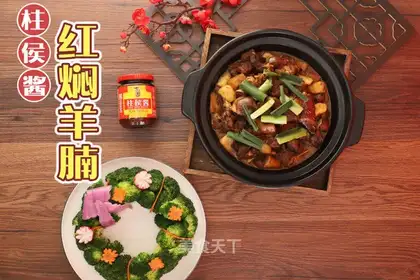
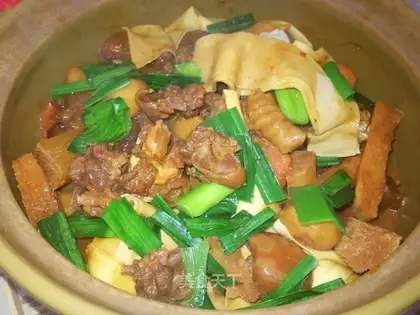
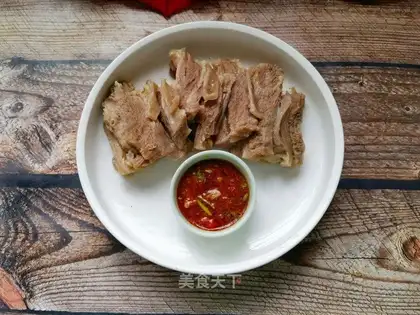
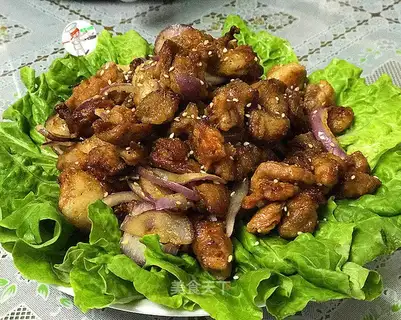
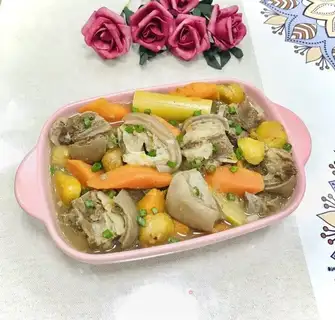
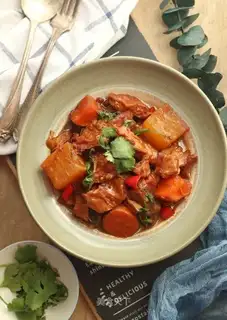
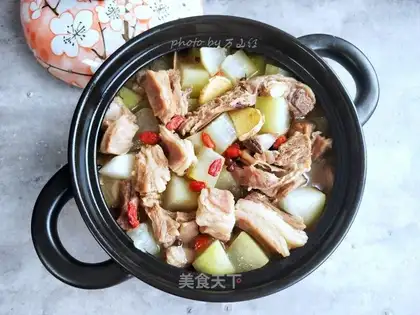
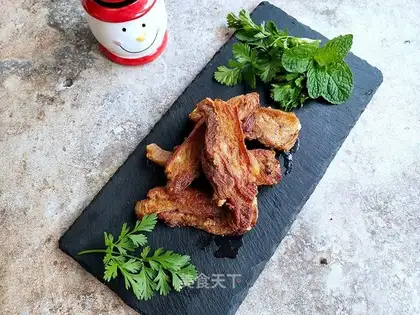
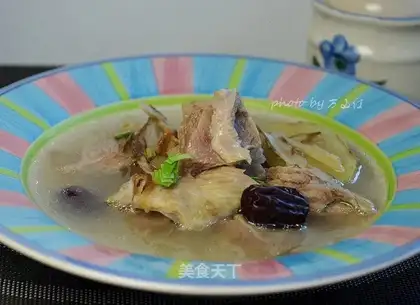
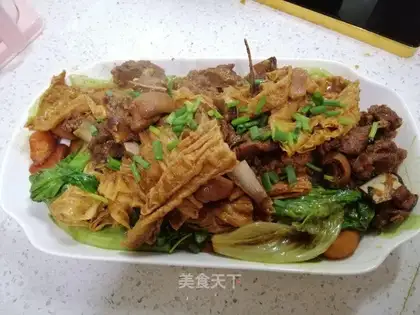
Lamb, a staple in cuisines across the Mediterranean, Middle East, and Asia, has been prized for centuries not only for its rich, succulent flavor but also for its nutritional density. Among the various cuts, lamb shank—taken from the lower leg of the lamb—stands out as a particularly nutrient-rich and versatile ingredient. This cut, characterized by its marbled fat, collagen-rich connective tissues, and deep, meaty flavor, is often slow-cooked to tender perfection. Beyond its culinary appeal, lamb shank offers a unique profile of essential nutrients, health benefits, and potential considerations that make it a valuable addition to a balanced diet. This article explores the nutritional value of lamb shank, its health benefits, and important dietary precautions to ensure safe and enjoyable consumption.
I. Nutritional Value of Lamb Shank
Lamb shank is a nutritional powerhouse, packed with high-quality protein, essential vitamins, and minerals that support overall health. A 100-gram serving of cooked lamb shank (approximately 3.5 ounces) contains roughly 250–300 calories, 20–25 grams of protein, and 15–20 grams of fat, depending on the cut’s leanness and cooking method. Its fat profile is particularly notable, with a balanced ratio of monounsaturated, saturated, and polyunsaturated fats, including beneficial omega-3 fatty acids in small amounts.
1. High-Quality Protein
Protein is vital for muscle growth, tissue repair, and immune function, and lamb shank provides all nine essential amino acids the body cannot produce independently. This "complete protein" source is especially beneficial for athletes, older adults, and those recovering from illness, as it supports muscle maintenance and synthesis. The collagen in lamb shank, broken down into gelatin during slow cooking, further enhances protein’s bioavailability, aiding digestion and joint health.
2. Essential Vitamins
Lamb shank is rich in B vitamins, which play a critical role in energy metabolism, brain function, and red blood cell production:
- Vitamin B12: A single serving of lamb shank can provide over 100% of the daily recommended intake of B12, essential for nerve function and DNA synthesis. Vegetarians and vegans, who often lack this nutrient from plant sources, can benefit from lamb as a natural B12 source.
- Niacin (B3): Supports cardiovascular health by lowering cholesterol levels and improving circulation.
- Riboflavin (B2) and Thiamine (B1): Convert food into energy and maintain healthy skin, eyes, and nervous systems.
Additionally, lamb shank contains vitamin D, a nutrient often deficient in modern diets, particularly in regions with limited sunlight. Vitamin D is crucial for calcium absorption, bone health, and immune regulation.
3. Key Minerals
The mineral content of lamb shank is equally impressive:
- Iron: Lamb is a "heme iron" source, which is more easily absorbed by the body than non-heme iron from plants. A 100-gram serving provides 15–20% of the daily iron requirement, supporting oxygen transport in the blood and preventing anemia.
- Zinc: Essential for immune function, wound healing, and DNA synthesis. Lamb shank is one of the best dietary sources of zinc, with a single serving meeting 30–40% of daily needs.
- Selenium: A powerful antioxidant that protects cells from damage, supports thyroid health, and boosts immune function.
- Phosphorus and Magnesium: Important for bone health, muscle contraction, and energy production.
4. Healthy Fats
While lamb shank contains saturated fat, it also provides conjugated linoleic acid (CLA), a fatty acid linked to potential benefits such as reduced body fat, improved heart health, and enhanced immune function. The monounsaturated fats in lamb, similar to those in olive oil, can help lower LDL ("bad") cholesterol when consumed as part of a balanced diet.
II. Health Benefits of Lamb Shank
The combination of nutrients in lamb shank contributes to a range of health benefits, from muscle maintenance to immune support.
1. Supports Muscle Growth and Repair
The high-quality protein and amino acids in lamb shank make it an ideal food for muscle recovery and growth. This is particularly beneficial for athletes, individuals engaged in strength training, and older adults at risk of sarcopenia (age-related muscle loss). The collagen in slow-cooked lamb shank also supports joint health by reducing inflammation and improving cartilage integrity.
2. Boosts Immune Function
Lamb shank’s rich content of zinc, selenium, and vitamin B12 is critical for a robust immune system. Zinc deficiency impairs immune cell function, while selenium enhances antioxidant defenses. Vitamin B12, meanwhile, supports the production of white blood cells, which help the body fight infections. Regular consumption of lamb shank may reduce the risk of common illnesses, such as colds and flu.
3. Prevents Anemia
Iron deficiency is one of the most common nutritional deficiencies worldwide, leading to fatigue, weakness, and impaired cognitive function. Heme iron in lamb shank is absorbed 2–3 times more efficiently than non-heme iron from plants, making it an effective food for preventing and treating iron-deficiency anemia. Pairing lamb with vitamin C-rich foods (e.g., bell peppers, broccoli) further enhances iron absorption.
4. Promotes Brain Health
Lamb shank contains choline, a nutrient that supports brain development, memory, and mood regulation. It also provides omega-3 fatty acids (DHA and EPA), which are essential for cognitive function and may reduce the risk of neurodegenerative diseases like Alzheimer’s. The B vitamins in lamb, particularly B12, help maintain myelin sheaths, which protect nerve fibers and ensure efficient communication between brain cells.
5. Enhances Energy Levels
The B vitamins in lamb shank play a key role in converting food into energy. Niacin, riboflavin, and thiamine help metabolize carbohydrates, fats, and proteins, ensuring the body uses nutrients efficiently. This makes lamb shank an excellent choice for individuals with active lifestyles or those experiencing fatigue due to nutrient deficiencies.
III. Precautions and Considerations
While lamb shank offers numerous health benefits, there are important considerations to ensure safe and healthy consumption, particularly regarding portion control, cooking methods, and dietary restrictions.
1. Moderation is Key
Lamb shank is relatively high in calories and saturated fat. Excessive consumption may contribute to weight gain and increase the risk of heart disease, especially in individuals with pre-existing conditions such as high cholesterol or diabetes. Health experts recommend limiting red meat intake to 1–2 servings per week, with each portion being approximately 3–4 ounces (85–115 grams) cooked.
2. Choose Lean Cuts and Trim Fat
To reduce saturated fat intake, opt for leaner lamb shank cuts and trim visible fat before cooking. Grass-fed lamb is a healthier choice than grain-fed, as it tends to have higher levels of omega-3 fatty acids and antioxidants. Avoid processed lamb products, such as sausages or cured meats, which are often high in sodium and preservatives.
3. Cooking Methods Matter
The way lamb shank is cooked significantly impacts its nutritional value and health effects. Slow-cooking methods, such as braising or stewing, are ideal for lamb shank, as they break down collagen and connective tissues, making the meat tender while retaining nutrients. Avoid high-temperature cooking methods like grilling or frying at very high heat, as they can create harmful compounds (e.g., heterocyclic amines and polycyclic aromatic hydrocarbons) linked to cancer. Instead, use low-heat methods and avoid charring the meat.
4. Dietary Restrictions and Allergies
Lamb is not suitable for vegetarians, vegans, or individuals following plant-based diets. Additionally, some people may be allergic to lamb, experiencing symptoms such as hives, digestive upset, or anaphylaxis. Those with gout should limit their intake of lamb, as it is purine-rich and may trigger flare-ups.
5. Pair with Complementary Foods
To maximize the nutritional benefits of lamb shank, pair it with fiber-rich vegetables (e.g., spinach, carrots, and legumes) and whole grains (e.g., quinoa or brown rice). Fiber aids digestion, helps regulate blood sugar, and reduces the absorption of saturated fats. Fermented foods like yogurt or kimchi, rich in probiotics, can also support gut health when consumed alongside lamb.
IV. Conclusion
Lamb shank is more than just a flavorful culinary delight—it is a nutrient-dense food that supports muscle growth, immune function, brain health, and energy levels. Its high-quality protein, essential vitamins (B12, D), and minerals (iron, zinc, selenium) make it a valuable addition to a balanced diet, particularly for individuals with increased nutrient needs, such as athletes or older adults. However, moderation, mindful cooking methods, and attention to dietary restrictions are key to reaping its benefits while minimizing potential risks.
When sourced from grass-fed, sustainable farms and prepared with care, lamb shank can be a centerpiece of a healthy, enjoyable diet. By understanding its nutritional profile and incorporating it wisely, food enthusiasts can savor this ancient ingredient while supporting their overall well-being. Whether braised in a rich stew, slow-roasted with herbs, or added to a hearty curry, lamb shank offers a perfect harmony of taste and nutrition—proving that some of the oldest foods remain among the most nourishing.