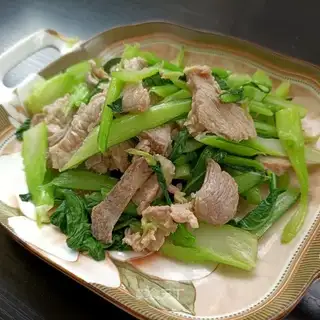
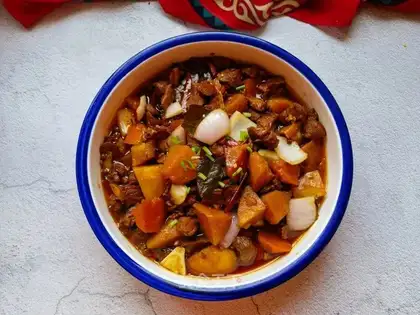
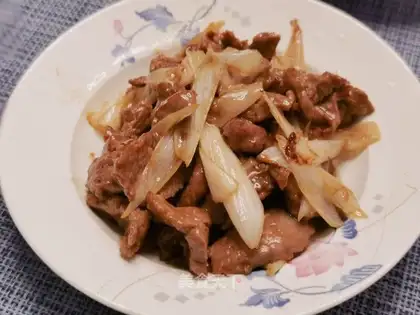
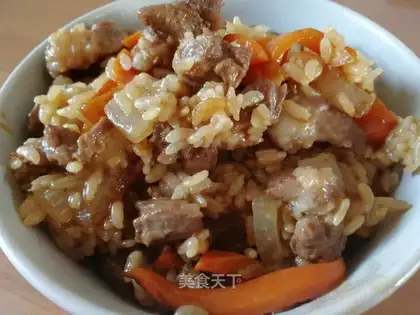
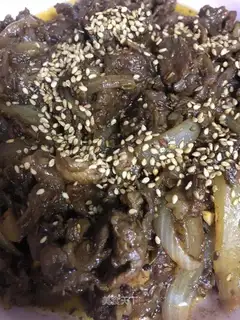
Lamb has been a staple in cuisines across the globe for millennia, prized for its rich flavor, tender texture, and nutritional density. Among the various cuts, lamb loin stands out as a premium choice—leaner than fattier cuts like shoulder yet more succulent than leg, it strikes a balance between indulgence and health. From ancient Mediterranean diets to modern farm-to-table plates, lamb loin has long been celebrated not just for its taste but for its role in supporting overall well-being. This article explores the nutritional profile of lamb loin, its evidence-based health benefits, and important considerations for safe consumption, offering a comprehensive guide to this versatile and nutrient-rich ingredient.
Nutritional Profile: What Makes Lamb Loin Stand Out?
Lamb loin, taken from the short loin primal (the region behind the ribs, along the backbone), is a lean cut with a fine-grained texture and minimal marbling, making it both tender and relatively low in fat compared to other lamb cuts. A 3.5-ounce (100-gram) serving of cooked lamb loin (trimmed of visible fat) provides approximately:
High-Quality Protein
Protein is essential for building and repairing tissues, supporting immune function, and maintaining muscle mass—particularly important as we age. Lamb loin is an excellent source of complete protein, meaning it contains all nine essential amino acids (histidine, isoleucine, leucine, lysine, methionine, phenylalanine, threonine, tryptophan, and valine) that the body cannot produce on its own. A 100-gram serving delivers about 25–30 grams of protein, roughly 50% of the daily recommended intake for most adults. Unlike plant proteins, lamb protein is highly bioavailable, meaning the body absorbs and utilizes it efficiently.
Rich in Vitamins
Lamb loin is a nutritional powerhouse of B vitamins, which play critical roles in energy metabolism, brain function, and red blood cell production:
- Vitamin B12 (cobalamin): A 100-gram serving provides roughly 40–50% of the daily value (DV). B12 is essential for nerve function, DNA synthesis, and the formation of red blood cells. Deficiency can lead to anemia, fatigue, and neurological damage, making lamb loin a valuable source for those at risk (e.g., vegetarians, older adults).
- Niacin (B3): Supports energy metabolism and skin health, with ~30% of the DV per serving.
- Vitamin B6: Aids in protein metabolism and neurotransmitter production, providing ~25% of the DV.
- Riboflavin (B2) and Thiamine (B1): Both contribute to energy production, with 15–20% of the DV per serving.
Lamb loin is also one of the few natural sources of vitamin D, a nutrient crucial for bone health, immune function, and mood regulation. While levels vary based on the animal’s diet and sun exposure, a 100-gram serving may provide 10–20% of the DV—significant for a food source.
Mineral-Rich
The cut is particularly high in bioavailable minerals, which are more easily absorbed by the body than plant-based minerals:
- Iron: Lamb loin is a heme iron source, the type most efficiently absorbed by the body (unlike non-heme iron in plants, which is absorption-inhibited by compounds like phytates). A 100-gram serving contains ~2.5–3 milligrams of iron, or 15–20% of the DV. Iron is vital for oxygen transport in the blood and preventing iron-deficiency anemia, which affects billions globally.
- Zinc: Supports immune function, wound healing, and DNA synthesis. Lamb loin provides ~4–5 milligrams per serving (30–40% of the DV), making it one of the best dietary sources of this mineral.
- Selenium: A powerful antioxidant that protects cells from damage, supports thyroid function, and may reduce the risk of chronic diseases. A serving delivers ~15–20 micrograms (25–30% of the DV).
- Phosphorus: Works with calcium to build strong bones and teeth, with ~20% of the DV per serving.
- Magnesium: Supports muscle and nerve function, blood sugar control, and blood pressure regulation, providing ~15% of the DV.
Healthy Fats
While lamb loin is leaner than cuts like lamb ribs or belly, it still contains beneficial fats. About 40–50% of its fat is monounsaturated fat (the same type found in olive oil), which supports heart health by reducing LDL (“bad”) cholesterol. The remaining fat includes polyunsaturated fats, such as omega-3 fatty acids (though in smaller quantities than fatty fish). A 100-gram serving provides ~8–10 grams of total fat, with just 3–4 grams saturated fat—less than many red meat cuts.
Health Benefits: Beyond Basic Nutrition
The nutrient density of lamb loin translates to a range of health benefits, supported by both traditional use and modern research.
Muscle Maintenance and Satiety
The high-quality protein in lamb loin is ideal for preserving muscle mass, especially in older adults or those engaged in regular exercise. Studies show that consuming 25–30 grams of protein per meal (the amount in a 100-gram serving of lamb loin) stimulates muscle protein synthesis, helping to counteract age-related muscle loss (sarcopenia). Additionally, protein promotes satiety, reducing hunger and aiding in weight management by curbing overeating.
Energy Production and Metabolic Health
B vitamins in lamb loin act as cofactors in energy-producing metabolic pathways. For example, vitamin B12 helps convert food into glucose, the body’s primary energy source, while niacin and riboflavin support the breakdown of carbohydrates, fats, and proteins. This makes lamb loin a valuable food for active individuals and those with fatigue-related conditions. Emerging research also suggests that B vitamins may improve insulin sensitivity, reducing the risk of type 2 diabetes.
Immune Function and Wound Healing
Zinc and selenium are critical for a robust immune system. Zinc deficiency impairs immune cell function, increasing susceptibility to infections, while selenium supports the production of antioxidants that protect immune cells from oxidative stress. Lamb loin’s combination of these minerals makes it a food that can help maintain immune resilience. Similarly, zinc and protein are essential for wound healing, as they support tissue repair and collagen formation.
Cognitive and Nervous System Health
Vitamin B12 is particularly vital for brain health. It helps maintain the myelin sheath that protects nerve fibers and supports the production of neurotransmitters like serotonin and dopamine. Deficiency in B12 has been linked to cognitive decline, memory loss, and even depression. Regular consumption of lamb loin, especially for individuals at risk of B12 deficiency (e.g., vegans, older adults), may support long-term brain function.
Bone Health
Lamb loin’s phosphorus and calcium (in smaller amounts) work together to maintain bone density. Phosphorus accounts for about 85% of the body’s mineral content in bones and teeth, and it helps regulate calcium levels in the blood. For postmenopausal women, who are at higher risk of osteoporosis, lamb loin’s mineral profile can be part of a bone-healthy diet.
Culinary Versatility: Enjoying Lamb Loin Responsibly
Beyond its health benefits, lamb loin is prized for its culinary versatility. It can be grilled, roasted, pan-seared, or broiled, and its mild, slightly sweet flavor pairs well with herbs (rosemary, thyme, mint), spices (cumin, garlic), and acidic ingredients (lemon, yogurt). To maximize its nutritional benefits while minimizing excess fat, consider these preparation tips:
- Trim visible fat: Remove any external marbling to reduce saturated fat content.
- Use healthy cooking methods: Grilling, roasting, or pan-searing with minimal oil (e.g., olive oil) preserves flavor without adding excessive fat. Avoid deep-frying.
- Pair with fiber-rich foods: Serve with vegetables (e.g., roasted broccoli, spinach) or whole grains (quinoa, brown rice) to enhance fiber intake and slow digestion, stabilizing blood sugar.
Important Considerations: Who Should Be Cautious?
While lamb loin is nutrient-rich, there are groups that should consume it in moderation or with caution:
Saturated Fat and Heart Health
Though leaner than other cuts, lamb loin still contains saturated fat—about 3–4 grams per serving. The American Heart Association recommends limiting saturated fat to 5–6% of daily calories (about 13 grams for a 2,000-calorie diet). For individuals with high cholesterol or heart disease, lamb loin should be eaten occasionally as part of a balanced diet rich in fruits, vegetables, and whole grains.
Sodium Awareness
Processed lamb products (e.g., lamb bacon, sausages) are often high in sodium, which can contribute to high blood pressure. Opt for fresh, unprocessed lamb loin and limit added salt during cooking. Herbs, spices, and citrus can enhance flavor without excess sodium.
Pregnancy and Food Safety
Pregnant individuals should ensure lamb loin is cooked to an internal temperature of 145°F (63°C) to kill harmful bacteria like Toxoplasma gondii, which can be present in undercooked meat. Toxoplasma infection poses risks to fetal development, including miscarriage or birth defects.
Gout and Purines
Lamb is moderately high in purines, compounds that break down into uric acid. In individuals with gout (a form of arthritis caused by high uric acid levels), excessive purine intake can trigger flare-ups. Those with gout should limit lamb loin to small, infrequent servings.
Environmental and Ethical Considerations
While not a direct health concern, the environmental impact of lamb production (e.g., greenhouse gas emissions, land use) is worth noting. Choosing sustainably raised lamb (e.g., grass-fed, pasture-raised) can reduce environmental footprint while potentially enhancing nutrient content (grass-fed lamb may have higher omega-3s and vitamin E).
Conclusion: A Balanced Choice for Health and Enjoyment
Lamb loin is more than just a delicious cut of meat—it is a nutrient-dense food that supports muscle health, energy production, immune function, and cognitive well-being. Its high-quality protein, B vitamins, iron, zinc, and selenium make it a valuable addition to a balanced diet, particularly for individuals at risk of nutrient deficiencies. However, like all foods, it should be consumed mindfully: choose lean cuts, prepare them healthily, and consider individual health needs.
For those seeking a food that marries flavor with nutrition, lamb loin is an excellent choice. Whether grilled for a summer barbecue, roasted for a cozy dinner, or seared for a quick weeknight meal, it offers a versatile way to nourish the body while satisfying the palate. By understanding its benefits and limitations, we can enjoy lamb loin as part of a healthy, sustainable, and delicious lifestyle.