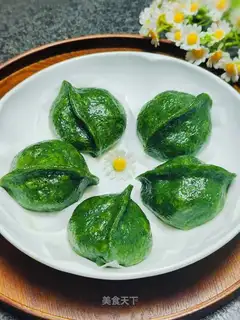
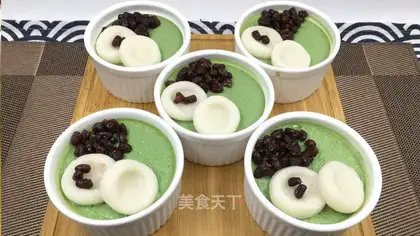
Rice flour, a fine powder made from ground rice grains, has been a staple ingredient in cuisines worldwide for centuries. From soft, steamed rice cakes in Asia to crispy tempura batters in the West, its versatility, mild flavor, and digestibility make it a pantry essential. Beyond its culinary applications, rice flour offers a range of nutritional benefits, though it also requires mindful consumption to maximize its advantages. This article explores the nutritional profile of rice flour, its health benefits, potential risks, and precautions for safe use.
Nutritional Value of Rice Flour
Rice flour’s nutritional composition varies slightly depending on whether it is made from white rice or brown rice, with the latter being more nutrient-dense due to the retention of the bran and germ layers.
Macronutrients
A 100-gram serving of white rice flour contains approximately:
- Carbohydrates: 80–85 grams (primarily starch, a complex carbohydrate that provides sustained energy).
- Protein: 6–7 grams (lower than wheat flour, but still a plant-based protein source).
- Fat: 0.5–1 gram (minimal, making it a low-fat option).
- Dietary Fiber: 1–2 grams (significantly less than brown rice flour, which retains 3–4 grams due to bran content).
Brown rice flour, by contrast, offers higher fiber, magnesium, and B vitamins, as the bran and germ are preserved. For example, 100 grams of brown rice flour provides:
- Fiber: 3–4 grams (aiding digestion and satiety).
- Magnesium: 100–150 mg (25–35% of the daily recommended intake).
- B Vitamins: Thiamine (B1) and niacin (B3) are present in higher amounts compared to white rice flour.
Micronutrients
Rice flour contains trace amounts of essential minerals, including:
- Iron: 0.5–1 mg per 100 grams (important for oxygen transport and energy production).
- Zinc: 0.8–1.5 mg (supports immune function and wound healing).
- Phosphorus: 100–120 mg (vital for bone health and cellular repair).
- Selenium: A potent antioxidant, though levels are higher in brown rice flour.
Gluten-Free Composition
One of rice flour’s most notable characteristics is its natural gluten-free status. Unlike wheat, barley, or rye, rice does not contain gluten proteins (gliadin and glutenin), making it a safe alternative for individuals with celiac disease, gluten sensitivity, or wheat allergies. This property has driven its popularity in gluten-free baking and cooking.
Health Benefits of Rice Flour
The nutritional profile of rice flour translates to several health benefits, particularly when consumed as part of a balanced diet.
1. Easily Digestible and Gentle on the Stomach
Rice flour is low in fiber (especially white rice flour) and contains no gluten, making it easy to digest. It is often recommended for:
- Infants and the elderly: Soft rice-based porridges (e.g., congee) are a common weaning food for babies and a gentle option for those with digestive issues.
- Individuals with digestive disorders: For those with irritable bowel syndrome (IBS) or post-surgery recovery, rice flour’s blandness and low residue reduce stomach irritation.
2. Gluten-Free Alternative for Celiac and Gluten-Sensitive Individuals
Celiac disease, an autoimmune disorder triggered by gluten, affects approximately 1% of the global population. Rice flour provides a versatile gluten-free substitute for wheat flour in bread, pasta, and baked goods. However, it is important to note that cross-contamination with gluten-containing grains (e.g., wheat, barley) can occur during processing, so certified gluten-free rice flour is recommended for those with severe sensitivities.
3. Supports Energy Levels
As a rich source of complex carbohydrates, rice flour provides a slow and steady release of glucose into the bloodstream, helping to maintain stable energy levels throughout the day. This makes it a preferred choice for athletes and active individuals seeking sustained fuel without energy crashes.
4. Promotes Heart Health (Brown Rice Flour)
Brown rice flour’s higher fiber content contributes to heart health by:
- Lowering cholesterol: Soluble fiber binds to cholesterol in the digestive system, reducing its absorption into the bloodstream.
- Regulating blood pressure: Magnesium and potassium in brown rice flour help relax blood vessels, supporting healthy blood pressure levels.
5. Enriched with Essential Vitamins and Minerals (Fortified Varieties)
In many countries, white rice flour is fortified with nutrients to address common deficiencies. For example:
- Iron-fortified rice flour: Helps prevent iron deficiency anemia, particularly in women and children.
- B-vitamin-enriched rice flour: Thiamine (B1) and niacin (B3) support metabolism and nervous system function.
6. Supports Skin and Hair Health
Rice flour contains inositol, a member of the B-vitamin family that promotes blood circulation and skin cell renewal. In traditional skincare, rice flour is used in face masks to exfoliate dead skin cells, brighten complexion, and absorb excess oil. It is also a gentle ingredient for sensitive skin, unlike some chemical exfoliants.
Potential Risks and Precautions
While rice flour offers numerous benefits, excessive or improper consumption may lead to health concerns.
1. High Glycemic Index (GI) of White Rice Flour
White rice flour has a high glycemic index (GI), meaning it causes a rapid spike in blood sugar levels after consumption. This can be problematic for:
- Diabetics: High-GI foods may lead to uncontrolled blood sugar fluctuations.
- Individuals at risk of metabolic syndrome: Frequent consumption of high-GI foods is linked to insulin resistance and weight gain.
Mitigation: Opt for brown rice flour or germinated brown rice flour (which has a lower GI) to minimize blood sugar spikes. Pair rice flour dishes with protein, healthy fats, or fiber-rich vegetables to slow glucose absorption.
2. Arsenic Contamination in Rice
Rice is more prone to arsenic accumulation than other grains due to its growth in flooded paddies, which allows arsenic (a naturally occurring element in soil and water) to be absorbed more easily. Chronic exposure to inorganic arsenic increases the risk of:
- Skin, lung, and bladder cancer.
- Developmental issues in children.
Precautions:
- Choose low-arsenic rice varieties: Basmati and jasmine rice from regions like India, Pakistan, and California tend to have lower arsenic levels.
- Rinse rice thoroughly before grinding: Washing rice reduces surface arsenic by up to 30%.
- Diversify grains: Limit rice consumption and incorporate other gluten-free grains (quinoa, buckwheat, oats) to reduce arsenic exposure.
3. Nutrient Deficiencies from Over-Reliance
While rice flour is a staple in many cultures, relying too heavily on it can lead to nutrient deficiencies due to its limited micronutrient profile. For example:
- White rice flour lacks fiber, magnesium, and B vitamins compared to whole grains.
- Infants fed exclusively rice-based porridges may be at risk of protein and iron deficiencies if not supplemented with other foods.
Solution: Combine rice flour with nutrient-dense ingredients (e.g., legumes, nuts, seeds, and leafy greens) to create balanced meals.
4. Allergic Reactions (Rare)
Though rare, some individuals may be allergic to rice or rice flour. Symptoms include:
- Skin rashes, hives, or itching.
- Digestive issues (nausea, vomiting, diarrhea).
- Respiratory distress (in severe cases).
Those with known rice allergies should avoid rice flour and seek alternative gluten-free flours (e.g., almond flour, coconut flour).
Conclusion
Rice flour is a versatile, gluten-free ingredient that offers a range of nutritional benefits, from easy digestibility to heart-healthy properties (especially in its brown rice form). However, its high glycemic index (in white rice flour), potential arsenic contamination, and risk of nutrient deficiencies require mindful consumption. By choosing fortified or brown rice varieties, rinsing grains thoroughly, and diversifying the diet, individuals can enjoy rice flour’s culinary and health advantages safely.
Whether used to make delicate steamed cakes, crispy tempura, or gluten-free bread, rice flour remains a valuable component of global cuisine—when consumed in moderation and with awareness of its limitations. As with any food, balance and moderation are key to unlocking its full potential while minimizing risks.