Introduction
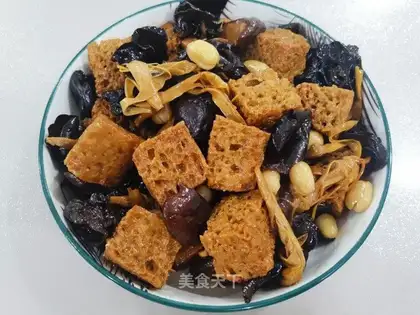
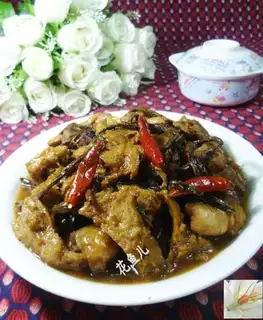
Braised bran, known as kùfú in Chinese, is a traditional plant-based ingredient made from wheat gluten. With a chewy, meat-like texture and ability to absorb flavors, it has been a staple in vegetarian and Chinese cuisine for centuries. Often referred to as "wheat meat" or seitan in Western contexts, braised bran is prized not only for its culinary versatility but also for its impressive nutritional profile. This article explores the nutritional value of braised bran, its health benefits, potential consumption precautions, and tips for incorporating it into a balanced diet.
Nutritional Value of Braised Bran
Braised bran is primarily composed of wheat gluten, a protein formed when wheat flour is washed to remove starch. This unique composition gives it a distinctive nutritional profile that sets it apart from other plant-based foods.
1. High Protein Content
One of the most notable features of braised bran is its high protein content. Depending on the preparation method, 100 grams of braised bran may contain 20–30 grams of protein, making it an excellent source of plant-based protein. For comparison, the same amount of tofu provides around 8–16 grams of protein, while lentils offer approximately 9 grams. This makes braised bran a valuable option for vegetarians, vegans, or individuals looking to reduce meat consumption without compromising protein intake.
2. Low in Fat and Calories
Unlike animal-based proteins such as beef or chicken, braised bran is naturally low in fat and calories. A 100-gram serving typically contains less than 2 grams of fat and around 120–150 calories, assuming no additional oils are used during cooking. This low-fat profile makes it suitable for weight management and heart-healthy diets.
3. Rich in Essential Amino Acids
While braised bran is high in protein, it is important to note that it lacks lysine, an essential amino acid found abundantly in legumes, grains, and animal products. However, when combined with lysine-rich foods (e.g., beans, rice, or quinoa), it forms a complete protein source, meeting the body’s amino acid requirements. This complementary relationship is a cornerstone of plant-based protein planning.
4. Micronutrient Content
Braised bran is not a significant source of vitamins and minerals unless fortified or prepared with nutrient-rich ingredients. However, it can contribute small amounts of iron, calcium, and B vitamins, especially when braised with soy sauce, mushrooms, or vegetables, which enhance its micronutrient profile. For example, a soy-braised bran dish may provide 10–15% of the daily iron requirement, depending on the ingredients used.
Health Benefits of Braised Bran
The unique nutritional composition of braised bran translates to several health benefits, particularly when consumed as part of a balanced diet.
1. Supports Muscle Growth and Repair
Protein is essential for muscle synthesis, repair, and overall body function. Braised bran’s high protein content makes it an ideal food for athletes, older adults, or individuals recovering from illness, as it helps maintain muscle mass and promote tissue repair. Its chewy texture also makes it a satisfying meat substitute for those transitioning to a plant-based diet.
2. Aids in Weight Management
Due to its low calorie and high protein content, braised bran can promote satiety, reducing overall calorie intake. Protein takes longer to digest than carbohydrates or fats, helping to curb hunger and prevent overeating. Incorporating braised bran into meals, such as stir-fries or salads, can enhance fullness while keeping calorie counts in check, supporting weight loss or maintenance goals.
3. Promotes Heart Health
Braised bran’s low-fat, cholesterol-free nature makes it a heart-healthy alternative to fatty meats. Diets rich in plant-based proteins have been linked to a lower risk of cardiovascular disease, as they reduce intake of saturated fat and cholesterol. Additionally, when braised with heart-healthy ingredients like garlic, ginger, and vegetables, braised bran can further support cardiovascular health by providing antioxidants and fiber.
4. Supports Blood Sugar Control
The protein and complex carbohydrates in braised bran (if prepared with whole grains or fiber-rich ingredients) can help stabilize blood sugar levels. Unlike refined carbohydrates, which cause rapid spikes in blood glucose, protein slows down the absorption of sugar, making braised bran a suitable food for individuals with diabetes or those at risk of blood sugar imbalances.
5. Versatile for Special Diets
For individuals with lactose intolerance or milk allergies, braised bran offers a dairy-free protein source. It is also naturally gluten-free if made from gluten-free grains (though traditional braised bran is wheat-based). While not suitable for those with celiac disease (due to its gluten content), it can be adapted using gluten-free flours for those with sensitivities.
Consumption Precautions and Considerations
While braised bran offers numerous health benefits, there are important precautions to keep in mind to ensure safe and healthy consumption.
1. Gluten Sensitivity and Celiac Disease
Braised bran is made from wheat gluten, making it unsuitable for individuals with celiac disease or non-celiac gluten sensitivity (NCGS). In these populations, gluten triggers an immune response that damages the small intestine, leading to symptoms like diarrhea, bloating, and nutrient malabsorption. Those with gluten-related disorders should avoid traditional braised bran and opt for gluten-free alternatives (e.g., seitan made from gluten-free grains like buckwheat).
2. High Sodium Content
Braised bran is often prepared with soy sauce, salt, or other high-sodium seasonings to enhance flavor. A single serving of braised bran may contain 500–1000 milligrams of sodium, which can contribute to high blood pressure and cardiovascular issues if consumed in excess. Individuals with hypertension or kidney disease should limit their intake and opt for low-sodium soy sauce or homemade broths to reduce sodium levels.
3. Nutrient Imbalance if Overconsumed
While braised bran is high in protein, relying too heavily on it as a primary protein source can lead to nutrient imbalances. As mentioned earlier, it lacks lysine, so overconsumption without complementary lysine-rich foods may result in incomplete protein intake. Additionally, braised bran is low in fiber, vitamins, and minerals compared to whole plant foods like vegetables, legumes, and fruits. A balanced diet should include a variety of foods to ensure adequate nutrient intake.
4. Digestive Discomfort
Some individuals may experience digestive discomfort after consuming braised bran, such as bloating or gas. This is often due to its high protein content or difficulty digesting gluten. To minimize side effects, start with small portions, chew thoroughly, and combine it with fiber-rich foods (e.g., vegetables, whole grains) to aid digestion.
5. Food Safety and Preparation
Braised bran is often sold fresh, dried, or pre-cooked. Fresh braised bran has a short shelf life and should be consumed within 2–3 days or refrigerated to prevent spoilage. Dried braised bran, while more shelf-stable, requires rehydration before use. When preparing braised bran at home, ensure proper cooking to eliminate any bacteria or contaminants, especially if using raw wheat gluten.
Incorporating Braised Bran into a Balanced Diet
Braised bran’s versatility makes it easy to incorporate into a variety of dishes. Here are some ideas for enjoying it while maximizing its nutritional benefits:
1. Stir-fries and Curries
Braised bran absorbs flavors well, making it perfect for stir-fries with vegetables (e.g., bell peppers, broccoli, and carrots) or curries with coconut milk and herbs. Pair it with brown rice or quinoa to create a complete protein meal.
2. Salads and Bowls
For a lighter option, use braised bran in salads or grain bowls. Combine it with leafy greens, avocado, nuts, and a tahini-based dressing for a nutrient-dense, satisfying meal.
3. Sandwiches and Wraps
Slice braised thinly and use it as a meat substitute in sandwiches or wraps. Add lettuce, tomato, and hummus for a plant-based lunch that is high in protein and fiber.
4. Soups and Stews
Add braised bran to soups or stews to boost protein content. It pairs well with miso, tofu, and root vegetables, creating a hearty and nutritious dish.
5. Homemade Preparation
To control sodium and ingredients, prepare braised bran at home. Mix wheat gluten with water, knead to form a dough, and boil or steam until firm. Then, braise it in a flavorful broth with soy sauce, mushrooms, and spices to enhance taste and nutrition.
Conclusion
Braised bran is a nutrient-dense, versatile ingredient that offers numerous health benefits, particularly for those seeking plant-based protein sources. Its high protein, low-fat, and low-calorie profile makes it suitable for muscle growth, weight management, and heart health. However, individuals with gluten sensitivities, high blood pressure, or kidney disease should consume it with caution, paying attention to sodium levels and portion sizes. By incorporating braised bran into a balanced diet and pairing it with complementary foods, it can be a delicious and nutritious addition to meals, supporting overall health and well-being. Whether used in stir-fries, salads, or soups, braised bran exemplifies how traditional ingredients can play a modern role in healthy eating.