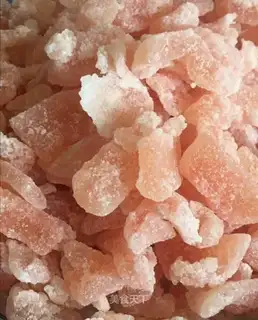
The pomelo, a citrus giant revered for its juicy, sweet segments, often leaves behind a thick, pithy peel that is typically discarded. However, this humble byproduct is a nutritional and medicinal goldmine, offering a wealth of health benefits, culinary versatility, and cultural significance. Across Asia, where pomelos are a staple, the peel has been used for centuries in traditional medicine, while modern science is now uncovering its potent bioactive compounds. This article explores the nutritional profile of pomelo peel, its evidence-based health benefits, potential risks, and creative ways to incorporate it into a balanced diet.
Nutritional Profile: More Than Just Waste
Pomelo peel (Citrus maxima) is rich in dietary fiber, vitamins, minerals, and polyphenolic compounds, making it far more nutritious than its fibrous texture suggests. A 100-gram serving of dried pomelo peel contains approximately:
- Dietary Fiber: 10–15 grams, primarily pectin, a soluble fiber that aids digestion.
- Vitamin C: 50–70 milligrams (over 75% of the daily recommended intake), crucial for immune function and collagen synthesis.
- Vitamin A: As beta-carotene, which supports vision and skin health.
- Antioxidants: Flavonoids like naringin, hesperidin, and limonene, which combat oxidative stress.
- Minerals: Small but significant amounts of potassium, calcium, and magnesium.
Unlike the fruit’s flesh, the peel is exceptionally high in pectin, a soluble fiber that forms a gel-like substance in the gut, promoting satiety and regulating blood sugar. It also contains naringin, a flavonoid responsible for its bitter taste, which has been studied for its anti-inflammatory and cholesterol-lowering properties.
Health Benefits: Backed by Science and Tradition
1. Digestive Health
Pomelo peel’s high fiber content alleviates common digestive issues. Pectin acts as a prebiotic, feeding beneficial gut bacteria and improving microbiome balance. It also relieves constipation by adding bulk to stool and softening it. In traditional Chinese medicine, dried pomelo peel is brewed into tea to "regulate qi" (vital energy) and reduce bloating, a practice now supported by studies showing its ability to stimulate gastric motility.
2. Immune Boosting
The peel’s vitamin C content surpasses that of many fruits, including oranges. Vitamin C enhances white blood cell function, strengthens the skin’s barrier against pathogens, and reduces the duration of colds. Additionally, naringin has been shown to modulate immune responses, potentially reducing inflammation in conditions like asthma and arthritis.
3. Heart Health
Pomelo peel supports cardiovascular health through multiple mechanisms. Pectin binds to cholesterol in the digestive tract, preventing its absorption and lowering LDL ("bad") cholesterol. Naringin and limonene, another antioxidant in the peel, improve blood vessel elasticity and reduce arterial plaque formation. A 2020 study in Phytotherapy Research found that pomelo peel extract reduced systolic blood pressure in hypertensive rats, suggesting potential benefits for humans.
4. Weight Management
Low in calories (approximately 30–40 kcal per 100 grams of dried peel) and high in fiber, pomelo peel is an ideal food for weight control. Fiber slows gastric emptying, prolonging feelings of fullness and reducing overall calorie intake. A 2019 review in Nutrients highlighted that citrus peel fibers increase satiety hormones like GLP-1, making it easier to maintain a healthy weight.
5. Antioxidant and Anti-Inflammatory Effects
The peel’s flavonoids and terpenes neutralize free radicals, protecting cells from DNA damage and chronic diseases. Naringin, in particular, has been studied for its anti-inflammatory properties, inhibiting cytokines that drive conditions like diabetes and neurodegenerative diseases. Research in Journal of Agricultural and Food Chemistry found that pomelo peel extract reduced inflammation in colon cells, suggesting potential protective effects against inflammatory bowel disease.
6. Skin Health
Vitamin C and A in pomelo peel promote collagen production and skin repair. When applied topically (in masks or scrubs), its antibacterial compounds may help acne by reducing Propionibacterium acnes growth. A 2018 study in Biomolecules noted that naringin accelerates wound healing by enhancing fibroblast proliferation, making pomelo peel a natural remedy for cuts and scars.
Culinary Uses: From Waste to Delicacy
While Western cuisines often discard citrus peels, Asian cultures have long transformed pomelo peel into culinary delights. Here are popular ways to use it:
1. Candied Pomelo Peel
A traditional snack in China and Vietnam, candied peel involves simmering strips of peel in sugar syrup until tender, then coating them in sugar. The result is a chewy, sweet treat with a hint of bitterness, often enjoyed with tea or as a dessert topping.
2. Pomelo Peel Tea
Dried peel is steeped in hot water to make a fragrant tea, believed to aid digestion and reduce phlegm. Adding ginger or honey enhances its flavor and therapeutic effects. In Japan, shikuwasa (a close relative of pomelo) peel tea is consumed daily for its antioxidant benefits.
3. Stir-Fries and Curries
In Thai and Malaysian cuisine, fresh or dried pomelo peel is added to stir-fries and curries, imparting a citrusy aroma that balances rich, spicy flavors. It pairs well with seafood, chicken, and vegetables.
4. Jams and Preserves
Pomelo peel’s high pectin content makes it ideal for jams. When cooked with fruit and sugar, it creates a thick, spreadable preserve with a unique bittersweet taste.
5. Herbal Soups
In Cantonese cooking, dried pomelo peel is simmered in soups (e.g., with pork or duck) to "warm the body" and reduce greasiness, a concept rooted in traditional Chinese medicine.
Potential Risks and Precautions
While pomelo peel is generally safe for most people, certain precautions apply:
1. Pesticide Residues
Non-organic pomelo peels may contain pesticide residues. Thorough washing, soaking in salt water, or opting for organic peels minimizes this risk.
2. Drug Interactions
Pomelo peel (like grapefruit) can inhibit cytochrome P450 enzymes, which metabolize medications. This may increase the concentration of drugs such as statins, blood pressure medications, and immunosuppressants, leading to adverse effects. Individuals taking prescription drugs should consult a doctor before consuming large amounts of pomelo peel.
3. Bitterness and Digestive Sensitivity
The peel’s natural bitterness, from naringin, may be unpalatable to some. Gradual introduction and pairing with sweet or spicy ingredients can mitigate this. Additionally, excessive consumption may cause heartburn or diarrhea in sensitive individuals.
4. Allergies
Though rare, people allergic to citrus fruits (oranges, lemons) may react to pomelo peel. Symptoms include itching, swelling, or hives; discontinue use if adverse reactions occur.
Conclusion: A Sustainable and Nutrient-Dense Ingredient
Pomelo peel is a testament to the idea that "waste" is often a missed opportunity. Its impressive nutritional profile, coupled with its culinary versatility and health benefits, makes it a valuable addition to any diet. From supporting digestion and heart health to enhancing immune function, this overlooked ingredient offers a natural, sustainable way to boost wellness. By embracing pomelo peel—whether in tea, candied snacks, or savory dishes—we reduce food waste and unlock a world of flavor and nutrition. As research continues to uncover its potential, pomelo peel may soon transition from a kitchen scrap to a staple in pantries worldwide.
In a world where sustainability and health are increasingly intertwined, pomelo peel stands out as a small but powerful reminder that nature’s most valuable gifts often hide in plain sight.