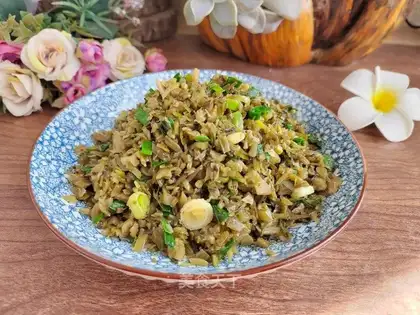
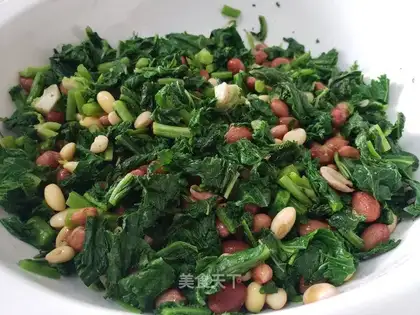
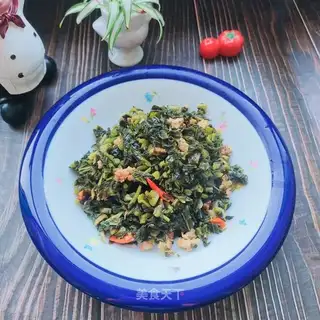
Potherb mustard, scientifically known as Brassica juncea var. crispifolia, is a leafy green vegetable widely cultivated and consumed in East Asia, particularly in China, Japan, and Korea. In China, it is known as xue li hong (雪里蕻), literally meaning "snowy red mustard," a name that reflects its traditional cultivation in winter snow regions and its reddish-purple tinge when exposed to cold temperatures. With a distinctively pungent, slightly bitter flavor, potherb mustard has been a dietary staple for centuries, valued not only for its culinary versatility but also for its impressive nutritional profile and potential health benefits. This article explores the nutritional value of potherb mustard, its evidence-based health benefits, and important precautions for consumption.
I. Nutritional Value of Potherb Mustard
Potherb mustard is a nutritional powerhouse, packed with vitamins, minerals, fiber, and bioactive compounds that contribute to its status as a "functional food." A 100-gram serving of fresh potherb mustard (approximately 1 cup, chopped) contains approximately:
1. Vitamins
- Vitamin K: Potherb mustard is one of the richest dietary sources of vitamin K, providing around 517 micrograms (mcg) per 100 grams, which is over 400% of the recommended daily intake (RDI) for adults. Vitamin K is essential for blood clotting, bone metabolism, and vascular health, as it activates proteins involved in calcium binding to bones and preventing arterial calcification.
- Vitamin C: With about 70 mg per 100 grams, potherb mustard covers over 75% of the RDI for vitamin C. This potent antioxidant boosts immune function, supports collagen synthesis for skin health, and enhances iron absorption from plant-based foods.
- Vitamin A: It provides significant amounts of beta-carotene (a precursor to vitamin A), with approximately 3,000 IU per 100 grams. Vitamin A is critical for vision, immune regulation, and cell growth.
- Folate (Vitamin B9): Potherb mustard contains around 120 mcg of folate per 100 grams, meeting 30% of the RDI. Folate is vital for DNA synthesis, cell division, and fetal development, making it particularly important during pregnancy.
2. Minerals
- Calcium: Despite being a plant food, potherb mustard is a good source of calcium, providing about 180 mg per 100 grams—comparable to a small glass of milk. Calcium is essential for bone and teeth health, muscle contraction, and nerve signaling.
- Iron: It contains approximately 1.5 mg of iron per 100 grams, which is 8% of the RDI for women. Iron is a key component of hemoglobin, responsible for oxygen transport in the blood. When combined with vitamin C in potherb mustard, its absorption is significantly enhanced.
- Potassium: With 335 mg per 100 grams, potherb mustard supports electrolyte balance, blood pressure regulation, and proper muscle function. Potassium counteracts the effects of sodium, reducing the risk of hypertension.
- Manganese: This trace mineral (0.3 mg per 100 grams) acts as a cofactor for enzymes involved in antioxidant defense, bone formation, and metabolism.
3. Fiber and Bioactive Compounds
- Dietary Fiber: Potherb mustard offers 2.6 grams of fiber per 100 grams, promoting digestive health by preventing constipation, feeding beneficial gut bacteria, and regulating blood sugar levels.
- Glucosinolates: As a member of the Brassicaceae family (alongside broccoli, kale, and cabbage), potherb mustard contains glucosinolates—sulfur compounds that, when broken down by the enzyme myrosinase (released during chewing or cooking), form bioactive isothiocyanates (e.g., sulforaphane). These compounds have potent anti-inflammatory, antioxidant, and anti-cancer properties.
- Antioxidants: In addition to vitamin C and isothiocyanates, potherb mustard contains flavonoids (e.g., quercetin) and carotenoids (e.g., lutein), which neutralize harmful free radicals and reduce oxidative stress, a key driver of chronic diseases.
II. Health Benefits of Potherb Mustard
The combination of nutrients and bioactive compounds in potherb mustard contributes to a range of health benefits, supported by both traditional use and modern scientific research.
1. Anti-Cancer Properties
Isothiocyanates (ITCs) derived from glucosinolates are the most studied compounds in potherb mustard for their cancer-fighting effects. Research indicates that ITCs inhibit the growth of cancer cells by:
- Inducing apoptosis (programmed cell death) in tumor cells.
- Blocking the formation of carcinogens (e.g., by detoxifying enzymes like glutathione S-transferase).
- Inhibiting angiogenesis (the formation of new blood vessels that feed tumors).
Studies have linked Brassica vegetable consumption to a reduced risk of lung, colorectal, breast, and prostate cancers. For example, a 2020 review in Nature Reviews Cancer highlighted that sulforaphane, a key ITC in potherb mustard, suppresses the proliferation of cancer cells via multiple molecular pathways.
2. Cardiovascular Health Support
Potherb mustard promotes heart health through several mechanisms:
- Blood Pressure Regulation: Its high potassium content (335 mg per 100 grams) helps counteract sodium-induced hypertension, a major risk factor for heart disease.
- Cholesterol Management: Soluble fiber in potherb mustard binds to bile acids in the gut, promoting their excretion and reducing LDL ("bad") cholesterol levels. Additionally, ITCs inhibit the oxidation of LDL, a process that contributes to atherosclerosis.
- Anti-Inflammatory Effects: Chronic inflammation is a key driver of cardiovascular disease. The antioxidants and ITCs in potherb mustard reduce markers of inflammation, such as C-reactive protein (CRP).
3. Digestive Health Improvement
Potherb mustard supports a healthy digestive system in multiple ways:
- Fiber Content: The 2.6 grams of fiber per 100 grams adds bulk to stool, preventing constipation and promoting regular bowel movements.
- Gut Microbiota: Fiber acts as a prebiotic, feeding beneficial gut bacteria (e.g., Bifidobacteria and Lactobacillus), which are essential for gut barrier function and immune health.
- Detoxification: ITCs enhance the activity of phase II detoxification enzymes in the liver, helping to eliminate toxins and harmful substances from the body.
4. Bone Health Strengthening
Potherb mustard is exceptional for bone health due to its high vitamin K and calcium content:
- Vitamin K: Activates osteocalcin, a protein that binds calcium to the bone matrix, increasing bone density and reducing fracture risk. A 2019 study in The Journal of Nutrition found that individuals with high vitamin K intake had a 35% lower risk of hip fractures.
- Calcium: Provides the raw material for bone mineralization, working synergistically with vitamin K to maintain bone strength.
5. Immune System Boost
The high vitamin C content (70 mg per 100 grams) and antioxidant profile of potherb mustard enhance immune function:
- Vitamin C stimulates the production and function of white blood cells (e.g., lymphocytes and phagocytes), which are critical for fighting infections.
- Antioxidants protect immune cells from oxidative damage, ensuring optimal immune response. Additionally, ITCs modulate inflammation, preventing excessive immune activation that can lead to autoimmune diseases.
6. Weight Management Support
Potherb mustard is a low-calorie, nutrient-dense food (approximately 27 calories per 100 grams) that can aid weight management:
- High Fiber: Promotes satiety, reducing overall calorie intake by curbing hunger.
- Low Fat and Carbohydrates: Fits well into calorie-controlled diets, providing essential nutrients without excessive energy.
III. Precautions and Potential Side Effects
While potherb mustard offers numerous health benefits, it is important to consume it in moderation and be aware of potential risks, particularly for certain populations.
1. Goitrogenic Effects
Potherb mustard, like other cruciferous vegetables, contains goitrogens—compounds that can interfere with thyroid function by inhibiting the uptake of iodine, a critical component of thyroid hormones. While cooking reduces goitrogen content, individuals with pre-existing thyroid conditions (e.g., hypothyroidism) should consume potherb mustard in moderation and ensure adequate iodine intake (e.g., through iodized salt or seafood).
2. Oxalate Content
Potherb mustard contains moderate levels of oxalates, compounds that can contribute to kidney stone formation in susceptible individuals. Those with a history of calcium oxalate kidney stones should limit intake and stay well-hydrated. Cooking can reduce oxalate levels by 10-15%.
3. Sodium Content in Preserved Forms
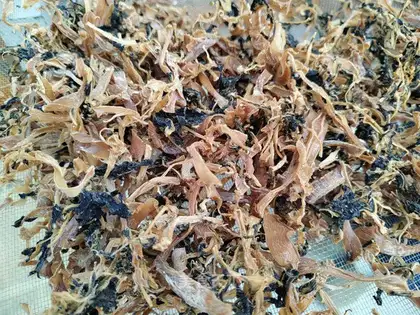
Fresh potherb mustard is low in sodium, but it is often pickled or salted for preservation (e.g., Sichuan preserved vegetable). A 100-gram serving of pickled potherb mustard can contain over 1,500 mg of sodium—over 60% of the recommended daily limit (2,300 mg). High sodium intake is linked to hypertension and cardiovascular disease, so individuals with high blood pressure should opt for fresh or lightly cooked potherb mustard and limit preserved varieties.
4. Drug Interactions
- Anticoagulants: Potherb mustard’s high vitamin K content can interfere with blood-thinning medications (e.g., warfarin), which work by inhibiting vitamin K-dependent clotting factors. Individuals taking such drugs should maintain consistent vitamin K intake and consult their healthcare provider before adding potherb mustard to their diet.
- Thyroid Medications: The goitrogenic effects of potherb mustard may reduce the absorption of thyroid hormone medications (e.g., levothyroxine). Patients should take thyroid medication on an empty stomach and avoid consuming large amounts of cruciferous vegetables close to the dose time.
5. Allergic Reactions
Though rare, some individuals may be allergic to potherb mustard, experiencing symptoms such as skin rashes, itching, or respiratory distress. Those with known allergies to other Brassica vegetables (e.g., broccoli, cabbage) should exercise caution.
IV. Culinary Uses and Preparation Tips
To maximize the nutritional benefits and minimize potential risks, potherb mustard should be prepared thoughtfully:
- Cooking: Lightly steaming or stir-frying reduces goitrogens and oxalates while preserving most nutrients. Avoid overcooking, as excessive heat can degrade heat-sensitive vitamins (e.g., vitamin C).
- Pairing: Combine potherb mustard with vitamin C-rich foods (e.g., bell peppers, tomatoes) to enhance iron absorption. For individuals concerned about sodium, balance pickled potherb mustard with low-sodium dishes.
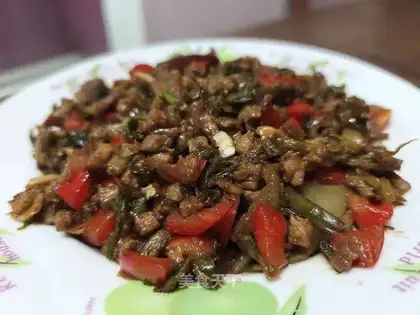
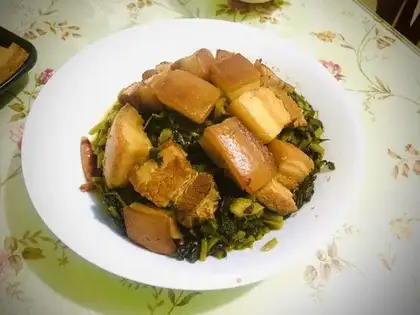
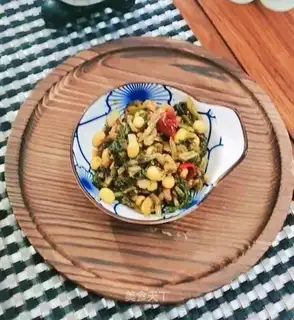
- Varieties: Fresh potherb mustard can be used in soups, stir-fries, or salads. Pickled versions (e.g., zha cai) are best used as condiments rather than main dishes to limit sodium intake.
Conclusion
Potherb mustard is a nutrient-dense vegetable that offers a wide range of health benefits, from cancer prevention and heart health to immune support and bone strength. Its rich content of vitamins (K, C, A), minerals (calcium, iron, potassium), fiber, and bioactive compounds (glucosinolates, antioxidants) makes it a valuable addition to a balanced diet. However, like all foods, it should be consumed in moderation, with attention to potential risks for specific populations (e.g., those with thyroid conditions or hypertension). By incorporating fresh, properly prepared potherb mustard into meals, individuals can harness its nutritional power while minimizing adverse effects. As research continues to uncover the therapeutic potential of this humble vegetable, potherb mustard remains a testament to the synergy between traditional culinary practices and modern nutritional science.