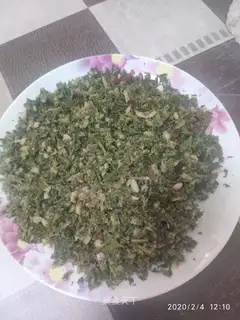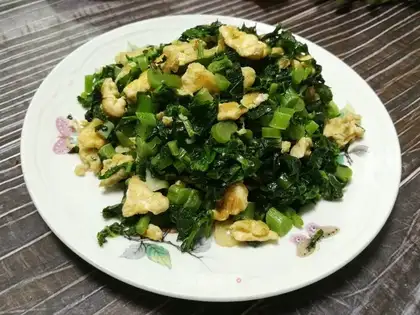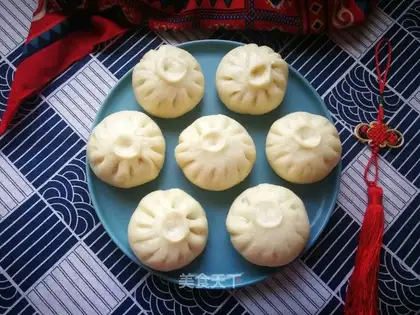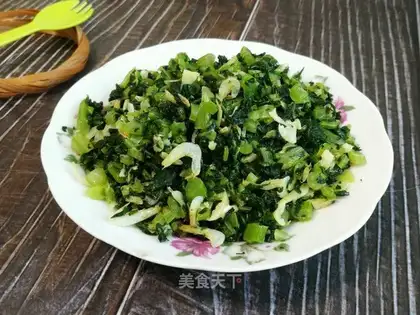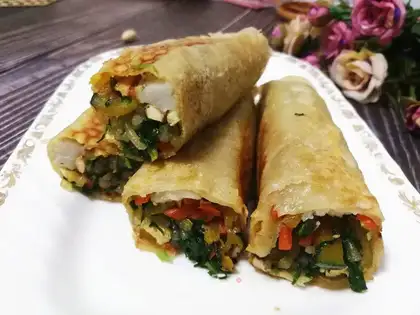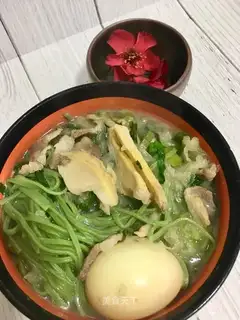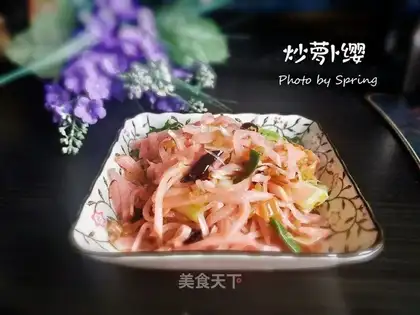
The radishes in the area are produced in the spring of each year, while in Chongqing they are produced in the summer. As a child growing up in the South, who did not know the difference between North and South, he always missed the best seasons of radish and pickled carrots, and when he realized it, the radish season was missed, so long as he was in his mind for years. Since then, it has become a priority to focus on the production season and to preserve and process food products during the season. Chongqing radish is only to be removed from the earth to be sold to the market when the radish grows to the size of its thumbs in order to eat fresh and fresh. The radish is usually half the size of a fist, because the locals tend to eat radish, and very few radish leaves, so the market always puts leaves together when selling them. When I buy radish at the farmer's uncle's, I usually ask for radish leaves, and they always give me a little more, and I always have a little darkie. Remove the radish leaves, keep the staggers, cut them with the radish, immerse them with a bit of fresh salt water for one or two days with the old knobs, then dry them with peanut oil. After the pepper boiler, a few minutes of frying, if necessary, with a little flavor, and then a little cold, soaky, and a very good meal。

radish leaves, the root leaves of the cross flower plant. It contains chlorophyll, volatilized oils containing α, β-acrylate and β, and gamma-octaneol. It has the function of appetizing, quenching and dysentery. In civilian summers, dried radish salt is commonly used as a soup, for stomach digestion, for digestive purposes and for the prevention of enteritis and dysentery. 1. Helping to absorb starch enzymes in radish leaves can decompose starch, fatty in food and make them fully absorbed and help absorb nutrients. 2. Prevention of mustard oil in constipated radish leaves promotes gastrointestinal creeping, increases appetite and helps digestion. Food fibre is also very high, preventing constipation and colon cancer. 3. The protection of radish leaves also contains high molybdenum, which is an important component of the eye iris, which regulates pupils ' size and ensures that the sight is clear. As a result, radish radishes are often used to prevent near-sighted eyes, old eyes and cataracts. 4. Modern studies on the prevention of gouts show that the amount of vitamin K contained in radish leaves is much higher than in other foods, so that radish leaves are the best food for humans to ingestion of natural vitamin K, which is resistant to urea acid crystallization and effectively prevents bone thickness. 5. Increased immunisation of radish leaves, rich in vitamin C and trace zinc, has helped to improve the immune function of the organism and its resilience to disease. Carcino-resistant radish leaves contain woody molybdenum, which enhances the vitality of megacormic cells and consumes them. In addition, radish seedlings contain various enzymes that decompose carcinogenic nitrite and are resistant to cancer。