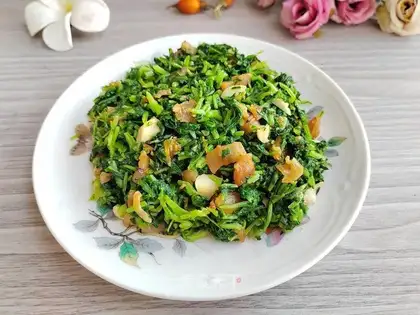
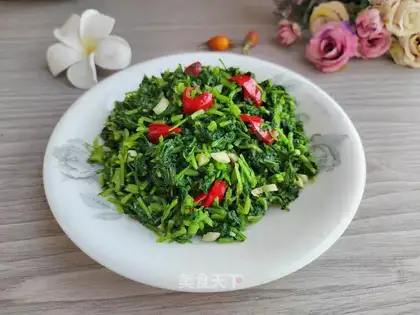
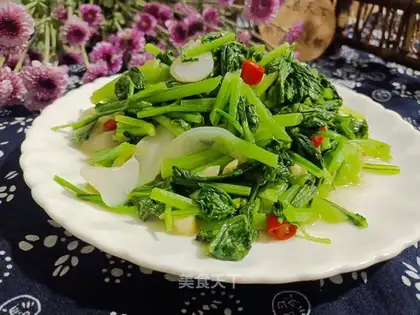
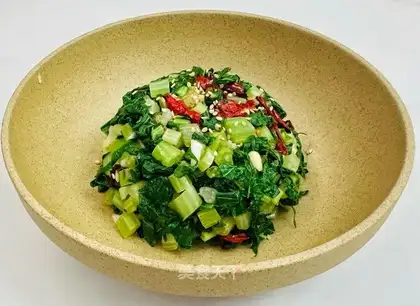
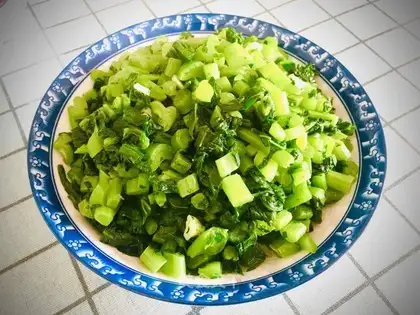
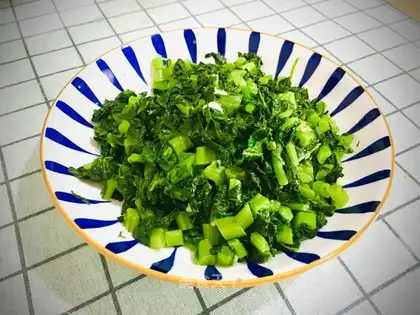
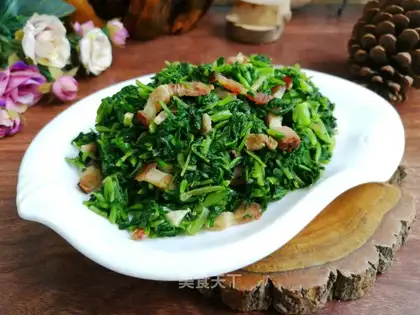
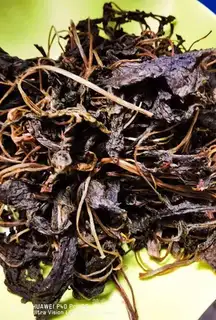
Radish, a humble root vegetable, has long been celebrated in cuisines worldwide for its crisp texture and peppery flavor. Yet, its leafy green tops—often discarded without a second thought—remain one of nature’s most underappreciated superfoods. Radish tops (also known as radish greens or radish leaves) are not just edible; they are a nutritional powerhouse, packed with vitamins, minerals, antioxidants, and bioactive compounds that offer remarkable health benefits. In many cultures, particularly in Asia and the Mediterranean, these greens have been used traditionally for their medicinal properties. Today, modern science is beginning to validate these age-old practices, shedding light on the immense potential of radish tops as a functional food. This article explores the nutritional profile of radish tops, their evidence-based health benefits, and important precautions to consider when incorporating them into your diet.
Nutritional Profile: A Concentrated Source of Essential Nutrients
Radish tops are a nutritional treasure trove, often surpassing the root vegetable itself in vitamin and mineral content. According to the USDA National Nutrient Database, 100 grams of raw radish tops (about 1.5 cups, chopped) provide approximately:
- Vitamins:
- Vitamin K: 600 mcg (500% of the Daily Value, DV). Vitamin K is crucial for blood clotting, bone metabolism, and vascular health.
- Vitamin C: 51 mg (85% DV). A potent antioxidant, vitamin C supports immune function, collagen synthesis, and skin health.
- Vitamin A: 105 mcg RAE (21% DV), primarily as beta-carotene, which is essential for vision, immune health, and cell growth.
- Folate: 97 mcg (24% DV), vital for DNA synthesis, cell division, and fetal development.
- Vitamin B6: 0.2 mg (12% DV), involved in metabolism, neurotransmitter production, and red blood cell formation.
- Minerals:
- Calcium: 190 mg (19% DV), more than in spinach per calorie, critical for bone and teeth health.
- Potassium: 400 mg (8% DV), which helps regulate blood pressure, fluid balance, and muscle function.
- Iron: 1.5 mg (8% DV), essential for oxygen transport and energy production.
- Magnesium: 70 mg (17% DV), supporting muscle and nerve function, blood sugar control, and blood pressure regulation.
- Manganese: 0.3 mg (13% DV), a cofactor for enzymes involved in metabolism and antioxidant defense.
- Phytonutrients and Antioxidants:
Radish tops are rich in glucosinolates—sulfur-containing compounds unique to cruciferous vegetables (like broccoli and kale). When chewed or chopped, glucosinolates break down into bioactive compounds such as sulforaphane and indole-3-carbinol, which have potent anti-inflammatory, anticancer, and detoxification properties. They also contain flavonoids like quercetin and kaempferol, which combat oxidative stress and reduce inflammation.
- Fiber and Low Calories:
With just 36 calories per 100 grams, radish tops are an excellent source of dietary fiber (3.2 grams), aiding digestion, promoting satiety, and supporting gut health.
This dense nutritional profile makes radish tops a standout among leafy greens, offering a low-calorie, high-nutrient alternative to more commonly consumed greens like lettuce or cabbage.
Health Benefits: Backed by Science
The combination of vitamins, minerals, and phytochemicals in radish tops contributes to a wide range of health benefits, from chronic disease prevention to digestive support.
1. Potent Anticancer Properties
Cruciferous vegetables are renowned for their cancer-fighting potential, and radish tops are no exception. The glucosinolates in radish tops convert to sulforaphane, a compound studied for its ability to inhibit tumor growth and metastasis. Sulforaphane activates phase II detoxification enzymes, which neutralize carcinogens and reduce DNA damage. A 2016 study published in Cancer Prevention Research found that sulforaphane suppressed the growth of breast cancer cells by targeting cancer stem cells. Additionally, indole-3-carbinol (I3C) in radish tops has been shown to reduce the risk of hormone-related cancers (e.g., breast, prostate) by modulating estrogen metabolism.
2. Anti-Inflammatory and Antioxidant Effects
Chronic inflammation is a root cause of many diseases, including heart disease, diabetes, and arthritis. Radish tops are rich in antioxidants like vitamin C, quercetin, and kaempferol, which neutralize free radicals—unstable molecules that cause oxidative stress. A 2020 study in Journal of Agricultural and Food Chemistry found that radish top extracts reduced inflammation in human blood cells by inhibiting pro-inflammatory cytokines (e.g., TNF-α, IL-6). This anti-inflammatory effect may help alleviate conditions like arthritis and inflammatory bowel disease (IBD).
3. Cardiovascular Health Support
Radish tops promote heart health through multiple mechanisms. Their high potassium content helps counteract the effects of sodium, lowering blood pressure and reducing the risk of stroke. The fiber in radish tops binds to cholesterol in the digestive system, preventing its absorption and lowering LDL (“bad”) cholesterol. Moreover, the antioxidant quercetin improves endothelial function (the lining of blood vessels), enhancing blood flow and reducing the risk of atherosclerosis. A 2018 study in Hypertension Research linked regular consumption of cruciferous greens to a 15% lower risk of cardiovascular disease.
4. Bone Health Strengthening
Radish tops are one of the best plant-based sources of vitamin K, which plays a key role in bone mineralization. Vitamin K activates osteocalcin, a protein that binds calcium to bones, reducing the risk of fractures and osteoporosis. A 2019 study in Osteoporosis International found that individuals with high vitamin K intake had a 35% lower risk of hip fractures. The calcium and magnesium in radish tops further support bone density, making them a valuable food for maintaining bone health, especially in older adults.
5. Digestive and Detoxification Support
The fiber in radish tops promotes regular bowel movements and prevents constipation by adding bulk to stool. Additionally, the phytonutrients in radish tops support liver detoxification. The liver’s phase I and phase II detoxification pathways rely on compounds like sulforaphane to neutralize and eliminate toxins. A 2017 study in Toxicology and Applied Pharmacology showed that radish top extracts enhanced liver enzyme activity, improving the body’s ability to process environmental pollutants and drugs.
6. Immune System Boost
Radish tops are loaded with vitamin C, which stimulates the production of white blood cells and antibodies, enhancing the body’s ability to fight infections. Vitamin A also plays a critical role in immune function by maintaining the integrity of mucosal barriers (e.g., in the respiratory and digestive tracts). A 2021 study in Nutrients found that individuals with higher vitamin C levels had a 14% lower risk of developing colds and infections.
Culinary Uses: From Waste to Delicacy
Despite their nutritional benefits, radish tops are often overlooked in Western cuisine, where they are typically trimmed and discarded. However, in countries like China, Korea, and Italy, radish greens are a staple in traditional dishes. They can be prepared in numerous ways:
- Raw: Young, tender radish tops can be added to salads for a peppery, bitter kick, similar to arugula.
- Sautéed: Mature greens can be sautéed with garlic, olive oil, and a pinch of salt, much like spinach or kale.
- Soups and Stews: In Korean cuisine, radish tops are used in kimchi or added to miyeok-guk (seaweed soup) for extra nutrients.
- Smoothies: Blending radish tops into smoothies with fruits like bananas or berries masks their bitterness while boosting nutritional content.
- Pesto: Radish top pesto, made with basil, garlic, nuts, and Parmesan, is a flavorful alternative to traditional basil pesto.
When selecting radish tops, look for vibrant green leaves that are crisp and free from yellowing or wilting. Store them in a plastic bag in the refrigerator for up to 3–5 days to preserve freshness.
Precautions and Potential Side Effects
While radish tops are highly nutritious, they are not suitable for everyone. Certain precautions should be taken to avoid adverse effects:
1. Goitrogenic Effects
Radish tops, like other cruciferous vegetables, contain goitrogens—compounds that can interfere with thyroid function by inhibiting the uptake of iodine. Individuals with hypothyroidism or those taking thyroid medication should consume radish tops in moderation. Cooking radish tops reduces their goitrogenic content by 30–50%, making them safer for those with thyroid concerns.
2. Blood Thinning
Radish tops are extremely high in vitamin K, which plays a key role in blood clotting. People taking anticoagulant medications (e.g., warfarin) should maintain consistent vitamin K intake to avoid drug interactions. Sudden increases in radish top consumption could reduce the effectiveness of blood thinners.
3. Kidney Stones
Radish tops contain oxalates, compounds that can contribute to kidney stone formation in susceptible individuals. Those with a history of calcium oxalate kidney stones should limit their intake of radish tops and ensure adequate hydration.
4. Pesticide Residues
Conventionally grown radish tops may contain pesticide residues. To minimize exposure, opt for organic radish tops or wash them thoroughly under running water before consumption.
Conclusion
Radish tops are a nutritional powerhouse that deserves a place in the modern diet. Their exceptional vitamin and mineral content, combined with potent anticancer, anti-inflammatory, and cardiovascular benefits, make them a true superfood. By incorporating these often-discarded greens into meals, individuals can reduce food waste while enhancing their health. However, moderation is key for those with thyroid issues, on blood thinners, or prone to kidney stones. As research continues to uncover the therapeutic potential of radish tops, it is clear that this humble green is far more than a byproduct—it is a valuable ally in promoting overall wellness.
In a world where food sustainability and nutrition are increasingly important, radish tops offer a simple, accessible way to nourish the body while minimizing waste. So next time you buy radishes, think twice before throwing away the tops—they might just be the healthiest part of the vegetable.