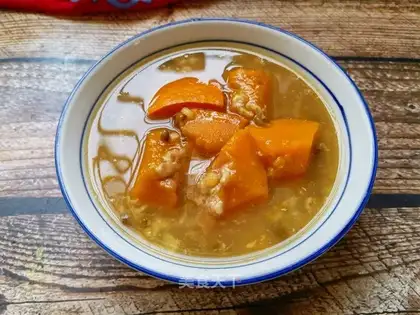
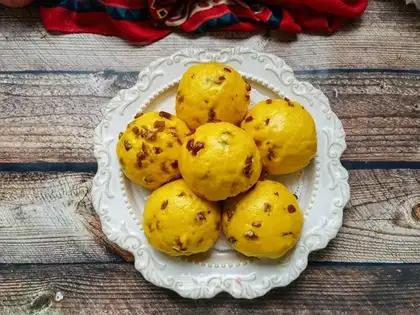
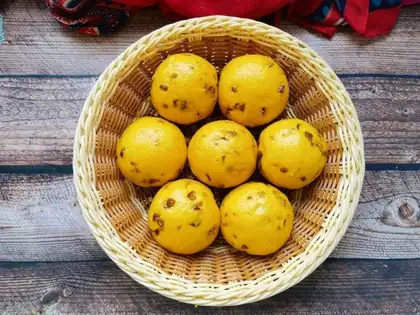
Golden squash, scientifically known as Cucurbita pepo var. ovifera, is a vibrant and versatile member of the gourd family, celebrated for its striking golden-yellow hue, sweet flavor, and exceptional nutritional profile. With roots tracing back to ancient Mesoamerican civilizations, this humble vegetable has transcended cultural and culinary boundaries to become a staple in global kitchens. Beyond its culinary appeal, golden squash is a nutritional powerhouse, offering a wealth of vitamins, minerals, antioxidants, and health benefits. However, like all foods, it must be consumed mindfully to avoid potential risks. This article explores the nutritional value, health benefits, and precautions associated with golden squash, providing a comprehensive guide to incorporating this superfood into a balanced diet.
I. Nutritional Value: A Treasure Trove of Essential Nutrients
Golden squash is low in calories yet packed with essential nutrients, making it an ideal choice for health-conscious individuals. A 100-gram serving of cooked golden squash (approximately half a cup) contains just 40 calories, 1 gram of protein, 0.2 grams of fat, and 10 grams of carbohydrates, including 2 grams of dietary fiber. Its true nutritional value lies in its dense concentration of vitamins, minerals, and bioactive compounds.
1. Vitamins: Fuel for Vitality
- Vitamin A: Golden squash is one of the richest natural sources of beta-carotene, a provitamin A compound that the body converts into retinol. A 100-gram serving provides over 200% of the daily recommended intake (DRI) of vitamin A. This nutrient is critical for vision health, immune function, and skin integrity, as it supports the production of rhodopsin (a pigment essential for low-light vision) and maintains the integrity of mucous membranes.
- Vitamin C: With approximately 20% of the DRI per 100 grams, golden squash is a good source of vitamin C, a potent antioxidant that boosts collagen synthesis, enhances iron absorption, and protects cells from oxidative stress. It also plays a key role in immune defense, aiding in the fight off infections.
- B Vitamins: Golden squash contains moderate amounts of B vitamins, including folate (B9), which is vital for DNA synthesis and cell division, making it particularly important during pregnancy. It also provides vitamin B6, which supports brain function and metabolism.
2. Minerals: Building Blocks for Health
- Potassium: This mineral is abundant in golden squash, with a 100-gram serving providing around 400 mg (8-10% of DRI). Potassium regulates fluid balance, nerve signals, and muscle contractions, and it helps lower blood pressure by counteracting the effects of sodium.
- Magnesium: Golden squash is a good source of magnesium, a mineral involved in over 300 enzymatic reactions, including energy production, muscle relaxation, and blood sugar control. A deficiency in magnesium has been linked to hypertension, migraines, and type 2 diabetes.
- Manganese: This trace mineral supports bone formation, antioxidant defense (as a component of the enzyme superoxide dismutase), and metabolism. Golden squash provides about 15% of the DRI per 100 grams.
3. Fiber and Antioxidants: Gut Health and Disease Prevention
Golden squash is an excellent source of dietary fiber, particularly soluble fiber, which promotes digestive health by feeding beneficial gut bacteria and preventing constipation. The fiber also slows carbohydrate absorption, helping to stabilize blood sugar levels and reduce the risk of type 2 diabetes.
The vegetable’s vibrant color is a testament to its high antioxidant content. Beta-carotene, lutein, zeaxanthin, and cucurbitacins are potent compounds that neutralize free radicals, reducing oxidative stress and inflammation. Lutein and zeaxanthin, in particular, accumulate in the retina and protect against age-related macular degeneration (AMD) and cataracts.
II. Health Benefits: From Disease Prevention to Wellness Enhancement
The nutrients in golden translate into a range of health benefits, making it a valuable addition to a preventive healthcare diet.
1. Supports Immune Function and Vision Health
The high levels of vitamin A and beta-carotene in golden squash are critical for maintaining a robust immune system. Vitamin A stimulates the production of white blood cells, which are essential for fighting pathogens, and it strengthens the skin and mucous membranes—the body’s first line of defense. For vision, beta-carotene helps prevent night blindness and reduces the risk of AMD by protecting retinal cells from light-induced damage.
2. Regulates Blood Sugar Levels
Golden squash’s low glycemic index (GI) of 55 and its fiber content make it a diabetic-friendly food. Fiber slows the digestion of carbohydrates, preventing rapid spikes in blood sugar after meals. Studies have shown that regular consumption of high-fiber vegetables like golden squash can improve insulin sensitivity and reduce the risk of type 2 diabetes.
3. Promotes Heart Health
The combination of potassium, fiber, and antioxidants in golden squash supports cardiovascular health in multiple ways. Potassium helps relax blood vessels, lowering blood pressure and reducing the strain on the heart. Fiber reduces LDL (“bad”) cholesterol levels by binding to bile acids in the intestines and promoting their excretion. Antioxidants like beta-carotene prevent the oxidation of LDL cholesterol, a key step in the development of atherosclerosis.
4. Aids Weight Management
With its low calorie density and high fiber and water content, golden squash is an excellent food for weight loss. Fiber promotes satiety, reducing overall calorie intake, while water adds volume without adding calories. A 2020 study published in Nutrients found that increasing vegetable consumption, particularly low-calorie, nutrient-dense varieties like golden squash, is associated with greater weight loss and maintenance.
5. Enhances Skin and Hair Health
The vitamin A and C content in golden squash supports skin and hair health. Vitamin A promotes cell turnover and prevents dryness, while vitamin C is essential for collagen production, which maintains skin elasticity and reduces the appearance of wrinkles. Additionally, the antioxidants in golden squash protect skin cells from UV damage and pollution, slowing the aging process.
III. Precautions and Potential Risks: Who Should Be Cautious?
While golden squash is generally safe for most people, certain precautions must be taken to avoid adverse effects.
1. Oxalates and Kidney Stones
Golden squash contains moderate levels of oxalates, compounds that can bind to calcium and form kidney stones in susceptible individuals. Those with a history of calcium oxalate kidney stones should limit their intake and consult a healthcare provider. Cooking golden squash can reduce oxalate levels by 10-15%, making it safer for high-risk individuals.
2. Pesticide Residues
Conventionally grown golden squash may contain pesticide residues, which can pose health risks with long-term exposure. To minimize this risk, choose organic varieties when possible, or wash the squash thoroughly under running water and scrub the skin with a vegetable brush. Peeling the squash can further reduce pesticide exposure.
3. Allergic Reactions
Although rare, some individuals may be allergic to golden squash, particularly those with allergies to other gourds (e.g., zucchini, cucumbers). Symptoms of an allergic reaction include itching, hives, swelling, or difficulty breathing. Anyone with a known gourd allergy should avoid golden squash.
4. Interactions with Medications
Golden squash is high in vitamin K, which plays a role in blood clotting. Individuals taking blood-thinning medications (e.g., warfarin) should maintain consistent vitamin K intake to avoid reducing the medication’s effectiveness. It is advisable to consult a doctor before significantly increasing golden squash consumption if on such medications.
5. Digestive Discomfort
The high fiber content in golden squash may cause bloating, gas, or diarrhea in some people, especially if consumed in large amounts or after a period of low fiber intake. To avoid this, introduce golden squash gradually into the diet and ensure adequate hydration.
IV. Culinary Uses: Incorporating Golden Squash into Your Diet
Golden squash’s mild, slightly sweet flavor and creamy texture make it incredibly versatile in the kitchen. Here are some popular ways to enjoy it:
- Roasted or Baked: Toss cubed golden squash with olive oil, garlic, and herbs (e.g., rosemary, thyme) and roast at 200°C for 20-25 minutes until caramelized.
- Soups and Stews: Blend cooked golden squash with onions, vegetable broth, and spices (e.g., ginger, turmeric) for a creamy, nutrient-rich soup.
- Grilled or Sautéed: Slice golden squash into rounds and grill or sauté with bell peppers and zucchini for a colorful side dish.
- Baked Goods: Incorporate grated golden squash into muffins, breads, or pancakes for added moisture and nutrients.
- Stuffed Fillings: Hollow out golden squash halves and fill with a mixture of quinoa, beans, and vegetables for a hearty main course.
V. Conclusion
Golden squash is more than just a visually appealing vegetable—it is a nutritional powerhouse that offers a host of health benefits, from supporting immune function and heart health to aiding weight management and enhancing skin vitality. Its versatility in the kitchen makes it easy to incorporate into a balanced diet, while its low calorie and high nutrient content make it a smart choice for people of all ages. However, like all foods, it should be consumed in moderation, with attention to potential risks for individuals with specific health conditions. By understanding its nutritional value, benefits, and precautions, we can fully harness the potential of golden squash to promote health and well-being.
In a world where processed foods often dominate, golden squash stands out as a reminder of the power of whole, natural foods. Whether roasted, blended, or stuffed, this humble vegetable is a testament to the idea that good health can be both delicious and accessible. So, the next time you spot a golden squash at the market, consider it not just an ingredient, but a step toward a healthier, more vibrant life.