Trichosanthes kirilowii, commonly known as gualou in Chinese or “snake gourd” in English, is a versatile vine plant widely cultivated across East Asia for its edible fruits, seeds, and roots. With a history rooted in traditional Chinese medicine (TCM) and modern culinary practices, this ingredient has gained global recognition for its impressive nutritional profile and therapeutic properties. From its role in promoting heart health to its potential in managing diabetes, Trichosanthes kirilowii offers a wealth of benefits. However, like any potent natural remedy, it must be consumed with awareness of potential precautions. This article explores the nutritional value, health benefits, and dietary considerations of Trichosanthes kirilowii to provide a comprehensive guide for incorporating this “superfood” into a balanced diet.
I. Nutritional Value of Trichosanthes Kirilowii
The nutritional composition of Trichosanthes kirilowii varies across its parts—fruit, seeds, and root—but collectively, they form a nutrient-dense package rich in proteins, fibers, vitamins, minerals, and bioactive compounds.
1. Fruit: Low-Calorie, High-Fiber Hydration
The mature fruit of Trichosanthes kirilowii is a low-calorie vegetable (approximately 15–20 kcal per 100g) composed of over 90% water, making it an excellent choice for hydration. It is high in dietary fiber (1–2g per 100g), which aids digestion and promotes satiety. The fruit also contains moderate levels of vitamin C (10–15 mg per 100g), an antioxidant that supports immune function and skin health, and small amounts of potassium (150–200 mg per 100g), which helps regulate blood pressure.
2. Seeds: Protein and Essential Fats
The seeds, often referred to as “gualouzi,” are particularly nutritious. They are rich in protein (20–25% by weight), containing all essential amino acids, making them a valuable plant-based protein source. The seeds also contain healthy fats, including linoleic acid (an omega-6 fatty acid) and oleic acid (an omega-9 fatty acid), which support cardiovascular health. Additionally, they are packed with minerals such as magnesium, zinc, and iron, which play critical roles in muscle function, immunity, and oxygen transport.
3. Root: Starch and Bioactive Compounds
The root of Trichosanthes kirilowii is rich in starch (up to 50% by dry weight) and has been used traditionally as a thickening agent in soups and sauces. It also contains unique bioactive compounds, such as trichosanthesins and cucurbitacins, which have been studied for their anti-inflammatory and anti-cancer properties.
II. Health Benefits of Trichosanthes Kirilowii
Beyond its basic nutrients, Trichosanthes kirilowii is celebrated for its wide range of health benefits, supported by both traditional medicine and modern scientific research.
1. Supports Cardiovascular Health
The high fiber and potassium content in Trichosanthes kirilowii fruit contributes to heart health. Fiber helps lower LDL (“bad”) cholesterol levels by binding to bile acids in the digestive system, while potassium counteracts the effects of sodium, reducing blood pressure. The seeds’ omega-3 and omega-6 fatty acids also promote a healthy lipid profile, reducing the risk of atherosclerosis and heart disease.
2. Regulates Blood Sugar Levels
One of the most well-documented benefits of Trichosanthes kirilowii is its ability to manage diabetes. The fruit’s fiber slows carbohydrate digestion, preventing sharp spikes in blood sugar after meals. The seeds contain a compound called trichosanthin, which has been shown to enhance insulin sensitivity and improve glucose uptake in cells. Animal studies indicate that Trichosanthes kirilowii extract can reduce fasting blood sugar levels by up to 30% in diabetic models, making it a promising adjunct therapy for type 2 diabetes.
3. Aids Weight Management
As a low-calorie, high-fiber food, Trichosanthes kirilowii is ideal for weight control. Fiber adds bulk to meals, promoting feelings of fullness and reducing overall calorie intake. Additionally, the fruit’s high water content helps hydrate the body, which can prevent overeating caused by thirst. A 2020 study published in the Journal of Ethnopharmacology found that overweight individuals who consumed Trichosanthes kirilowii supplements for 12 weeks lost significantly more body fat than those who did not.
4. Anti-Cancer Properties
Bioactive compounds in Trichosanthes kirilowii, particularly cucurbitacins and trichosanthesins, exhibit potent anti-cancer effects. These compounds inhibit the proliferation of cancer cells by inducing apoptosis (programmed cell death) and blocking tumor angiogenesis (the formation of new blood vessels that feed tumors). Research has shown that Trichosanthes kirilowii extract is effective against breast, lung, and liver cancer cells in vitro. While human trials are needed, these findings highlight its potential as a complementary cancer therapy.
5. Anti-Inflammatory and Immune-Boosting Effects
Chronic inflammation is linked to numerous diseases, including arthritis, diabetes, and heart disease. Trichosanthes kirilowii contains flavonoids and polyphenols, which are natural anti-inflammatory agents. These compounds inhibit the production of pro-inflammatory cytokines such as TNF-α and IL-6. Additionally, the vitamin C in the fruit stimulates the production of white blood cells, enhancing the body’s ability to fight infections.
6. Respiratory Health
In TCM, Trichosanthes kirilowii has long been used to treat respiratory conditions such as coughs, asthma, and bronchitis. The fruit’s expectorant properties help loosen mucus and clear airways, while its anti-inflammatory effects reduce swelling in the respiratory tract. Modern research supports this use, with studies showing that Trichosanthes kirilowii extract can relax bronchial muscles, easing breathing difficulties.
7. Detoxification and Liver Protection
The root of Trichosanthes kirilowii is used in TCM to “detoxify” the body and support liver function. Animal studies indicate that it can reduce liver damage caused by alcohol or toxins by increasing the activity of antioxidant enzymes like superoxide dismutase (SOD) and glutathione peroxidase (GPx). This protective effect makes it a valuable ingredient for individuals with liver conditions such as fatty liver or hepatitis.
III. Precautions and Potential Side Effects
While Trichosanthes kirilowii offers numerous health benefits, it is not without risks. Certain precautions must be taken to avoid adverse effects, particularly for individuals with specific health conditions.
1. Pregnancy and Breastfeeding
Pregnant women should avoid consuming Trichosanthes kirilowii, especially the seeds and root, as they contain compounds that may stimulate uterine contractions, increasing the risk of miscarriage. There is insufficient data on its safety during breastfeeding, so it is best to err on the side of caution.
2. Hypoglycemia Risk for Diabetics
Due to its potent blood sugar-lowering effects, individuals with diabetes who take Trichosanthes kirilowii supplements or consume large amounts of the fruit should monitor their blood sugar levels closely. Combining it with diabetes medications (e.g., metformin or insulin) may cause hypoglycemia (low blood sugar), leading to symptoms like dizziness, weakness, and confusion.
3. Gastrointestinal Discomfort
The high fiber content in Trichosanthes kirilowii may cause bloating, gas, or diarrhea in some individuals, especially if consumed in large amounts or introduced suddenly into the diet. To minimize these effects, start with small portions and increase intake gradually.
4. Interaction with Medications
Trichosanthes kirilowii may interact with certain medications. For example, its blood pressure-lowering effects can enhance the activity of antihypertensive drugs, leading to excessively low blood pressure. Similarly, its blood sugar-lowering effects may potentiate the effects of diabetes medications. Individuals taking any prescription drugs should consult a healthcare provider before consuming Trichosanthes kirilowii regularly.
5. Allergic Reactions
Although rare, some individuals may be allergic to Trichosanthes kirilowii, particularly the seeds. Symptoms of an allergic reaction include itching, hives, swelling, or difficulty breathing. Those with known allergies to other members of the Cucurbitaceae family (e.g., cucumbers, melons) should exercise caution.
6. Not for Everyone with Cold Constitution
In TCM, Trichosanthes kirilowii is considered “cold-natured,” meaning it has a cooling effect on the body. Individuals with a “cold constitution” (e.g., those who experience cold hands and feet, poor digestion, or loose stools) should consume it in moderation, as excessive intake may worsen these symptoms.
IV. How to Incorporate Trichosanthes Kirilowii into Your Diet
Trichosanthes kirilowii can be enjoyed in various forms, from fresh vegetables to teas and supplements. Here are some practical ways to include it in your meals:
1. Fresh Fruit
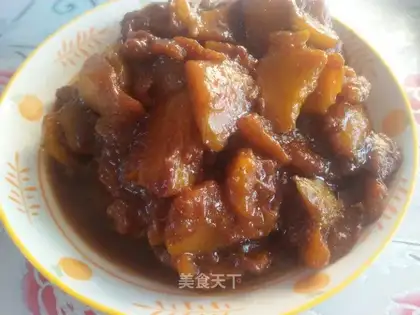
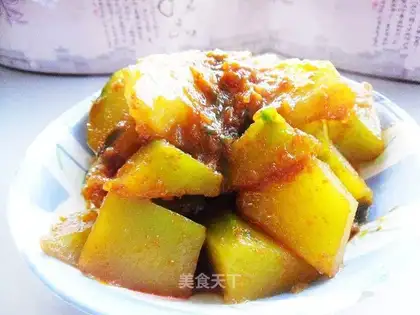
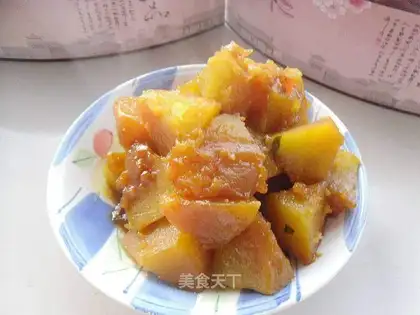
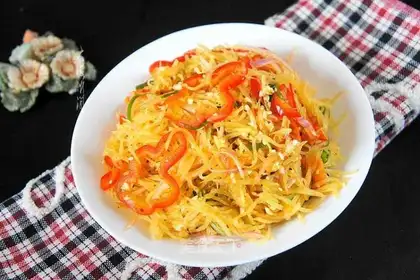
The young, tender fruit can be stir-fried, added to soups, or eaten raw in salads. For a refreshing summer dish, slice the fruit thinly and marinate it in a mixture of vinegar, soy sauce, and garlic.
2. Seeds (Roasted or Ground)
Roasted seeds can be eaten as a snack or ground into a powder and added to smoothies, oatmeal, or baked goods for a protein boost. In TCM, roasted seeds are often brewed into a tea to relieve coughs and phlegm.
3. Root (Starch or Powder)
The root can be boiled and mashed into a porridge or used as a thickener for soups and sauces. Trichosanthes kirilowii starch is also available in Asian markets and can be used to make desserts or noodles.
4. Supplements
For concentrated therapeutic effects, Trichosanthes kirilowii is available in capsules, tablets, or liquid extracts. However, it is important to choose high-quality products from reputable brands and follow the recommended dosage.
Conclusion
Trichosanthes kirilowii is a nutritional powerhouse with a remarkable range of health benefits, from supporting heart health and regulating blood sugar to providing anti-cancer and anti-inflammatory effects. Its versatility in culinary applications and traditional medicine makes it a valuable addition to a balanced diet. However, like any potent natural remedy, it must be consumed with caution, particularly by pregnant women, diabetics, and those on medications. By understanding its nutritional value, benefits, and precautions, individuals can harness the power of Trichosanthes kirilowii to enhance their health and well-being safely and effectively. As research continues to uncover its potential, this humble ingredient is poised to become a staple in global health and nutrition.