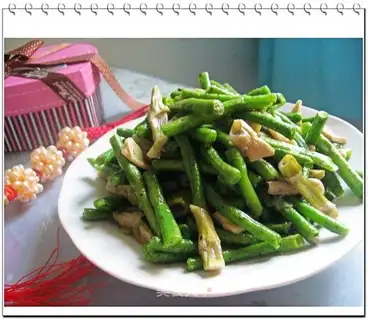
When the weather cools down, I like to eat some dishes with strong flavors. Recently, there are many Sichuan-style dishes, so we have used up all pickled peppers, pickled ginger, and pickled horns at home. I would like to take this opportunity to make some more "kimchi" to introduce them to everyone. Let's exchange experiences on making them together. <br />The raw materials for making Sichuan "kimchi" are quite wide. Many hard vegetables are basically available. It is best to use cabbage for leafy vegetables. After soaking, sprinkle with some chili oil and eat it directly. It tastes salty, sour and spicy, and is very appetizing. You can also soak some large covered vegetables, which is also very good to make pickled cabbage fish. I didn't use cabbage this time, mainly to make some pickled peppers and pickled ginger as seasonings, and also to soak some other things. The main practices for making "kimchi" at home are as follows;
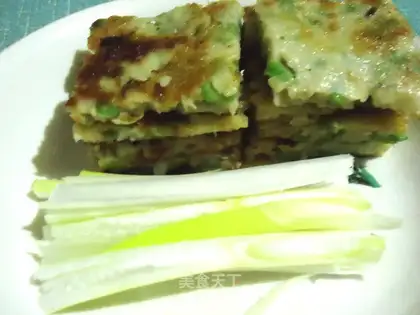
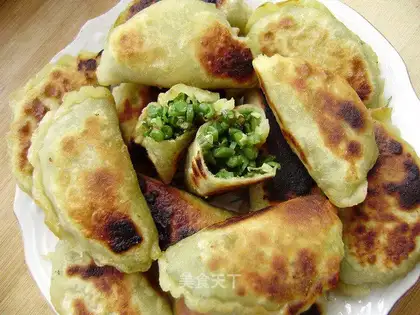
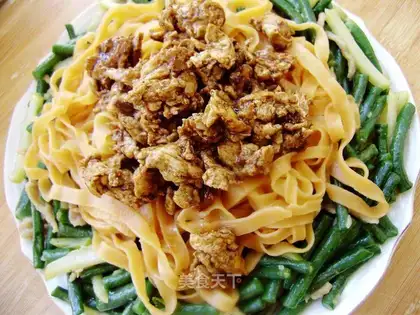
Ingredients: cowpea,potatoes,carrots,eggs,MSG,salad oil,ginger,flour,spiced powder,diced green onion,refined salt
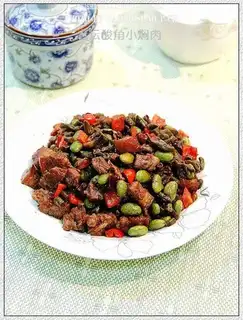
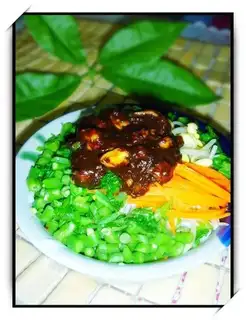
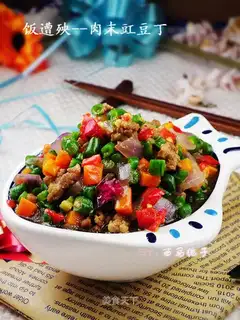
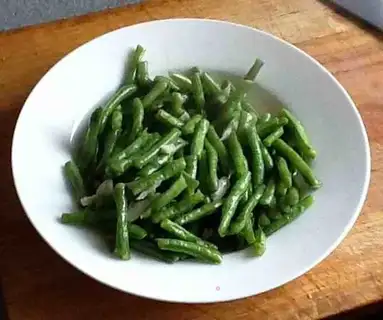
Minced pork and cowpea is a very common home-cooked dish. I added pickled peppers, carrots and onions to this and ordinary home-cooked dish to improve the taste a lot. The appearance is also quite beautiful. Even my daughter, who doesn't like to eat vegetables, ate two bowls of rice, but my husband and I basically didn't eat it. Cowpeas provide high-quality protein that is easy to digest and absorb, and appropriate amounts of carbohydrates, multiple vitamins, trace elements, etc., which can supplement the body's signature nutrients. The vitamin B1 contained in it can maintain normal digestive gland secretion and gastrointestinal peristalsis, inhibit cholinesterase activity, help digestion and increase appetite. Vitamin C contained in cowpea can promote the synthesis of antibodies and improve the body's antiviral effect. Cowpea phospholipids can promote insulin secretion and participate in sugar metabolism. It is an ideal food for diabetics.