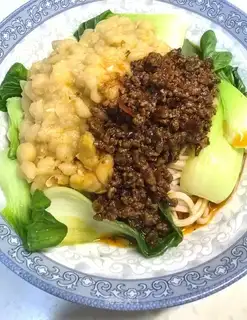
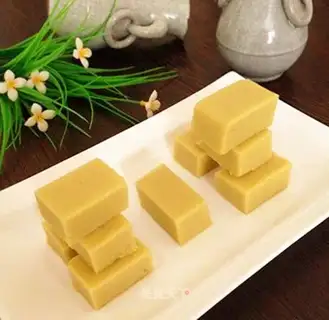
Dried peas, humble yet versatile, have been a dietary staple for centuries across cultures. As a member of the legume family, these tiny, greenish-yellow orbs are not only affordable and long-lasting but also packed with essential nutrients that offer a myriad of health benefits. From supporting heart health to aiding digestion, dried peas are a nutritional powerhouse. However, like all foods, they must be consumed mindfully to avoid potential side effects. This article explores the nutritional profile of dried peas, their remarkable health benefits, and important considerations for safe consumption.
Nutritional Profile of Dried Peas
Dried peas are a nutrient-dense food, meaning they provide a high amount of vitamins, minerals, and protein relative to their calorie content. A 100-gram serving of cooked dried peas (without salt) contains approximately:
- Protein: 8 grams, making them an excellent plant-based protein source for vegetarians, vegans, and those reducing meat intake.
- Dietary Fiber: 9 grams, including both soluble and insoluble fiber, which is crucial for digestive health.
- Complex Carbohydrates: 60 grams, providing sustained energy due to their slow digestion rate.
- Vitamins: Rich in B vitamins (especially folate/B9, which supports cell growth and DNA synthesis), and smaller amounts of vitamin K, thiamin (B1), and vitamin C.
- Minerals: High in manganese (important for bone health and metabolism), iron (vital for oxygen transport), magnesium (for muscle and nerve function), potassium (for blood pressure regulation), and zinc (for immune health).
- Antioxidants: Contain polyphenols, flavonoids, and saponins, which combat oxidative stress and reduce inflammation.
Notably, dried peas are low in fat (less than 1 gram per 100 grams) and contain no cholesterol, making them a heart-healthy choice. Their nutritional density positions them as a "functional food"—one that provides health benefits beyond basic nutrition.
Health Benefits of Dried Peas
The combination of nutrients in dried peas contributes to a range of health benefits, supported by scientific research.
1. Supports Heart Health
Dried peas are a boon for cardiovascular health. Their high fiber content, particularly soluble fiber, helps lower LDL ("bad") cholesterol by binding to it in the digestive system and removing it from the body. Studies show that consuming 5–10 grams of soluble fiber daily can reduce LDL cholesterol by 3–5%. Additionally, dried peas are rich in potassium, a mineral that counteracts the effects of sodium by relaxing blood vessels and lowering blood pressure. The antioxidants in peas, such as polyphenols, further protect the heart by reducing inflammation and preventing oxidative damage to arteries.
2. Regulates Blood Sugar Levels
For individuals with diabetes or those at risk of blood sugar spikes, dried peas are an ideal food choice. Their low glycemic index (GI) means they cause a gradual rise in blood sugar rather than a sharp spike. This is due to their high fiber and protein content, which slows digestion and glucose absorption. A study published in the Archives of Internal Medicine found that diets high in legumes, including peas, improved glycemic control and reduced the risk of type 2 diabetes by up to 35%.
3. Promotes Digestive Health
The fiber in dried peas acts as a prebiotic, feeding beneficial gut bacteria and maintaining a healthy microbiome. Insoluble fiber adds bulk to stool, preventing constipation and promoting regular bowel movements. Soluble fiber, on the other hand, forms a gel-like substance in the gut, which alleviates diarrhea and soothes symptoms of irritable bowel syndrome (IBS). Research also suggests that a high-fiber diet may reduce the risk of colorectal cancer by removing waste and toxins from the colon.
4. Aids Weight Management
Dried peas are a valuable ally for weight loss and maintenance. Their high protein and fiber content increase satiety, reducing overall calorie intake by keeping you full for longer. A study in the Journal of the American College of Nutrition found that participants who consumed pea protein felt fuller and ate less at subsequent meals compared to those who consumed animal protein. Additionally, the complex carbohydrates in peas provide steady energy, preventing the crashes and cravings associated with refined carbs.
5. Enhances Muscle and Bone Health
As a good source of plant-based protein, dried peas support muscle repair and growth, making them particularly beneficial for athletes and older adults. Protein is essential for maintaining muscle mass, which declines with age (a condition called sarcopenia). Dried peas also contain manganese, calcium, and vitamin K, all of which are critical for bone health. Manganese supports bone formation, while vitamin K improves calcium absorption and reduces the risk of osteoporosis.
6. Boosts Immune Function
Dried peas are rich in zinc, a mineral that plays a vital role in immune cell development and function. Zinc deficiency can weaken the immune system, increasing susceptibility to infections. A single serving of dried peas provides about 15% of the daily recommended intake of zinc. Additionally, the antioxidants in peas neutralize free radicals, reducing inflammation and supporting overall immune health.
Precautions and Potential Side Effects
While dried peas are highly nutritious, certain precautions must be taken to avoid adverse effects.
1. Anti-Nutrients
Raw or undercooked dried peas contain anti-nutrients such as phytic acid, tannins, and lectins, which can interfere with the absorption of minerals like iron, zinc, and calcium. Phytic acid, in particular, binds to these minerals, reducing their bioavailability. However, these anti-nutrients can be minimized by soaking dried peas overnight and cooking them thoroughly. Boiling, sprouting, or fermenting peas also reduces anti-nutrient content, making nutrients more accessible.
2. Digestive Discomfort
Dried peas are high in fiber and certain oligosaccharides (complex sugars that are hard to digest). Consuming large amounts too quickly can cause bloating, gas, and abdominal pain, especially for those not accustomed to a high-fiber diet. To avoid this, increase intake gradually and drink plenty of water to help fiber move through the digestive system. Soaking peas before cooking can also reduce their gas-producing effects.
3. Purine Content
Dried peas are moderate in purines, natural compounds that break down into uric acid. For individuals with gout or kidney problems, high purine intake can trigger gout attacks or worsen kidney function. Such individuals should consume dried peas in moderation and consult a healthcare provider if unsure.
4. Allergies
While rare, pea allergies can occur, particularly in children with legume allergies. Symptoms may include hives, swelling, or digestive issues. Those with known legume allergies should avoid dried peas or seek medical advice before consumption.
5. Medication Interactions
Dried peas are high in vitamin K, which plays a role in blood clotting. Individuals taking blood-thinning medications (e.g., warfarin) should maintain consistent vitamin K intake to avoid interactions. It is advisable to consult a healthcare provider before making significant dietary changes.
Conclusion
Dried peas are a nutritional treasure, offering a wealth of benefits for heart health, blood sugar regulation, digestion, weight management, and more. Their affordability, versatility, and long shelf life make them an accessible food for people worldwide. However, to maximize their benefits, it is important to prepare them properly (soaking and cooking) and consume them in moderation, especially for those with specific health conditions. By incorporating dried peas into a balanced diet, individuals can harness their power to improve overall health and well-being. As the saying goes, "Good food is the foundation of genuine happiness," and dried peas certainly fit the bill as a delicious, nutritious, and wholesome choice.