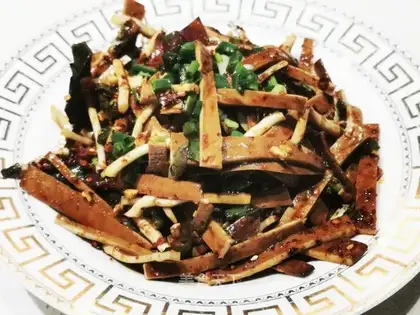
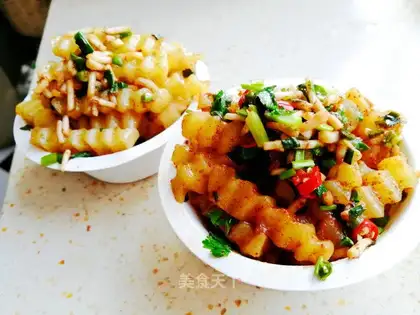
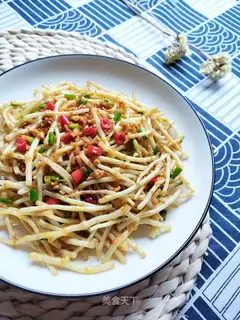
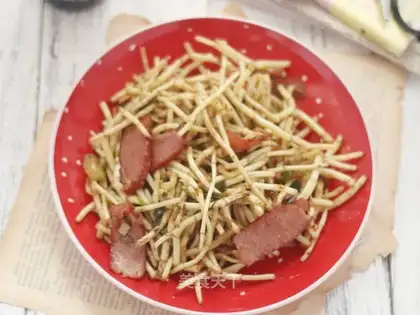
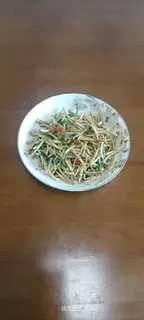
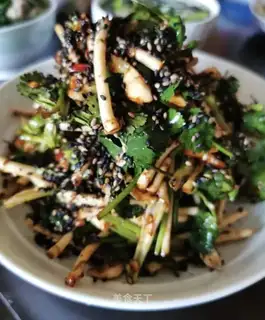
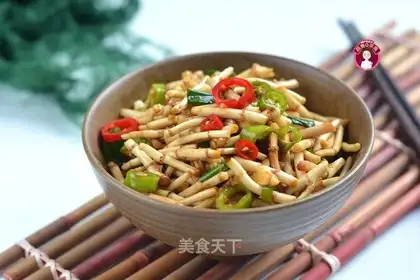
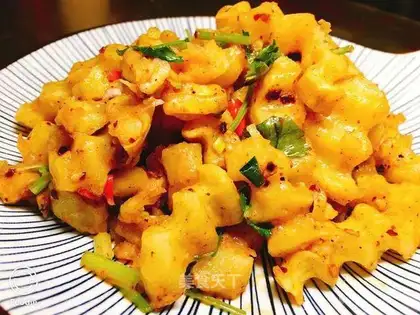
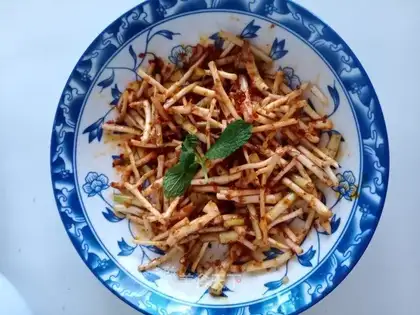
Houttuynia cordata, commonly known as fish mint, heartleaf, or in its native China as zhe’ergen (literally "folded ear root"), is a herbaceous plant that has been a staple in traditional medicine and cuisine across East and Southeast Asia for centuries. Recognizable by its distinctive heart-shaped leaves and pungent, aromatic scent—often described as a mix of fish, mint, and citrus—this humble herb is far more than a mere culinary garnish. Its use spans ancient herbal remedies to modern wellness trends, driven by a rich nutritional profile and a range of scientifically supported health benefits. However, like many potent natural ingredients, Houttuynia cordata requires careful consideration of its consumption. This article explores its nutritional value, health benefits, and important precautions to ensure safe and effective use.
Nutritional Value of Houttuynia cordata
Houttuynia cordata’s nutritional composition is a complex interplay of vitamins, minerals, polyphenols, and bioactive compounds that contribute to its therapeutic potential. The leaves, stems, and roots are all edible, though the roots are most commonly used in culinary applications.
Key Nutrients
- Vitamins: The plant is a good source of vitamin C, a powerful antioxidant that supports immune function, skin health, and collagen synthesis. It also contains vitamin A (as beta-carotene), which is essential for vision, immune health, and cell growth.
- Minerals: Houttuynia cordata provides minerals like potassium, which regulates blood pressure and fluid balance; calcium, vital for bone health; and iron, which supports oxygen transport in the blood. Trace amounts of zinc and manganese are also present, both of which play roles in immune function and antioxidant defense.
- Polyphenols and Flavonoids: The herb is rich in polyphenolic compounds, including quercetin, quercitrin, and caffeic acid derivatives. These compounds exhibit potent antioxidant and anti-inflammatory properties, neutralizing harmful free radicals and reducing oxidative stress—a key contributor to chronic diseases.
- Volatile Oils: The pungent aroma of Houttuynia cordata comes from its volatile oil fraction, which contains compounds such as decanal, dodecanal, and lauric acid. These oils contribute to its antimicrobial and expectorant effects.
- Unique Bioactive Compounds: A standout component is sodium new houttuyfonate (SNH), a sulfur-containing compound with antibacterial and anti-inflammatory properties. This compound is central to the herb’s use in treating respiratory infections and inflammatory conditions.
Health Benefits of Houttuynia cordata
The synergy of nutrients and bioactive compounds in Houttuynia cordata underpins its wide range of health benefits, many of which are backed by traditional use and emerging scientific research.
1. Anti-inflammatory and Antimicrobial Properties
Houttuynia cordata is renowned for its ability to combat inflammation and infection. The compound SNH has been shown to inhibit the growth of bacteria such as Staphylococcus aureus, Escherichia coli, and Streptococcus pneumoniae, making it a natural remedy for bacterial infections. Its anti-inflammatory effects are mediated by polyphenols like quercetin, which suppress pro-inflammatory cytokines (e.g., TNF-α, IL-6) and enzymes (e.g., COX-2).
These properties make the herb particularly beneficial for:
- Respiratory Health: In traditional Chinese medicine (TCM), Houttuynia cordata is used to treat coughs, colds, and bronchitis. Its expectorant action helps loosen mucus, while its antimicrobial effects target pathogens in the respiratory tract. Studies suggest it may alleviate symptoms of sinusitis and asthma by reducing airway inflammation.
- Urinary Tract Infections (UTIs): The herb’s diuretic and antibacterial properties support urinary tract health by flushing out bacteria and reducing inflammation in the bladder.
2. Immune System Support
The high vitamin C content and antioxidant compounds in Houttuynia cordata enhance immune function by neutralizing free radicals that can damage immune cells. Research indicates that polyphenols in the herb can stimulate the activity of macrophages—white blood cells that play a key role in engulfing pathogens—and promote the production of antibodies, improving the body’s defense against infections.
3. Detoxification and Liver Health
In TCM, Houttuynia cordata is classified as a "heat-clearing" herb, believed to detoxify the body and support liver function. Modern studies suggest it may protect the liver from chemical damage (e.g., from alcohol or toxins) by enhancing the activity of antioxidant enzymes like superoxide dismutase (SOD) and glutathione peroxidase (GPx). This hepatoprotective effect makes it a potential adjunctive therapy for liver conditions such as hepatitis, though more human trials are needed.
4. Skin Health and Wound Healing
The herb’s anti-inflammatory and antimicrobial properties make it valuable for skin care. Topical applications of Houttuynia cordata extract have been shown to accelerate wound healing by reducing inflammation and preventing bacterial infection. Its antioxidant content also helps combat oxidative stress in the skin, which contributes to aging and conditions like acne. Some skincare formulations incorporate the herb to soothe irritation and promote a clear complexion.
5. Anticancer Potential
Preliminary in vitro and animal studies suggest that Houttuynia cordata may exhibit anticancer properties. Polyphenols like quercetin and caffeic acid have been found to inhibit the proliferation of cancer cells (e.g., breast, lung, and colon cancer) by inducing apoptosis (programmed cell death) and blocking tumor angiogenesis (the formation of new blood vessels that feed tumors). While promising, these findings are not yet conclusive, and human clinical trials are required to establish efficacy and safety.
6. Weight Management and Metabolic Health
Emerging research indicates that Houttuynia cordata may support metabolic health by improving insulin sensitivity and reducing lipid accumulation. A 2020 study published in the Journal of Ethnopharmacology found that the herb’s extract reduced body weight, fat mass, and blood glucose levels in obese mice, suggesting potential as a complementary therapy for obesity and type 2 diabetes. However, more human studies are needed to confirm these effects.
Precautions and Potential Side Effects
While Houttuynia cordata offers numerous health benefits, its potent bioactive compounds mean it must be consumed with caution. Certain populations should avoid or limit intake, and excessive consumption may lead to adverse effects.
1. Allergic Reactions
Individuals sensitive to plants in the Saururaceae family (to which Houttuynia cordata belongs) or those with a history of plant allergies may experience allergic reactions. Symptoms can include skin rashes, hives, itching, or in severe cases, anaphylaxis. A patch test is recommended before topical use, and those with known allergies should avoid consumption.
2. Gastrointestinal Discomfort
The herb’s strong flavor and active compounds may cause digestive issues such as nausea, vomiting, diarrhea, or stomach cramps, especially when consumed in large quantities or on an empty stomach. Starting with small doses and gradually increasing intake can help minimize these effects.
3. Pregnancy and Lactation
Pregnant and breastfeeding women should exercise caution. Traditional TCM warns against using Houttuynia cordata during pregnancy due to its potential to stimulate uterine contractions, which could increase the risk of miscarriage. While limited scientific data exists on its safety during lactation, it is advisable to avoid use or consult a healthcare provider.
4. Interaction with Medications
Houttuynia cordata may interact with certain medications, particularly those metabolized by the liver. Its antioxidant properties could enhance the effects of blood-thinning drugs (e.g., warfarin), increasing the risk of bleeding. It may also interact with diabetes medications, as it has been shown to lower blood sugar levels. Individuals taking prescription medications should consult their doctor before incorporating the herb into their diet.
5. Kidney and Liver Conditions
While the herb may support liver health in moderate amounts, excessive consumption could strain the kidneys or liver due to its diuretic and detoxifying effects. Those with pre-existing kidney or liver disease should avoid use unless supervised by a healthcare professional.
6. Quality and Contamination
As with any herbal product, the source and quality of Houttuynia cordata are critical. Wild-harvested herbs may be contaminated with pesticides, heavy metals, or other pollutants. Opting for organically grown, reputable brands ensures safety and efficacy.
Conclusion
Houttuynia cordata is a nutrient-dense herb with a remarkable array of health benefits, from supporting immune function and reducing inflammation to promoting skin health and metabolic balance. Its unique combination of vitamins, minerals, and bioactive compounds makes it a valuable addition to a balanced diet, particularly for those seeking natural remedies for respiratory infections, detoxification, or chronic inflammation.
However, its potency also demands respect. Allergic reactions, gastrointestinal discomfort, and potential drug interactions highlight the need for moderation and caution, especially for vulnerable populations such as pregnant women, individuals with chronic illnesses, and those on medication. By sourcing high-quality herb, starting with small doses, and consulting healthcare professionals when necessary, consumers can safely harness the power of Houttuynia cordata.
As research continues to uncover its therapeutic potential, this ancient herb is poised to bridge traditional wisdom and modern wellness—offering a flavorful, functional, and time-tested solution to health and vitality.