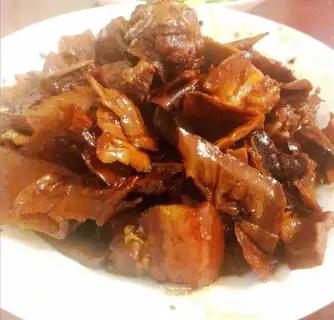
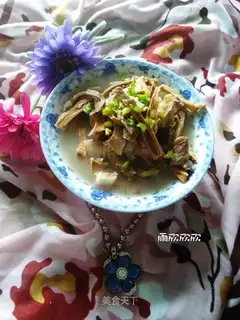
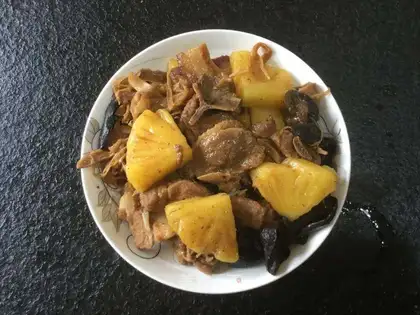
Bamboo shoots, the tender young sprouts of bamboo plants, have been a staple in Asian cuisines for millennia. When fresh, they are perishable and often require extensive preparation to remove bitterness. However, drying transforms these shoots into a shelf-stable, nutrient-dense ingredient that concentrates flavor, texture, and health benefits. Dried bamboo shoots (kuzuy in Japanese, sun-dried bamboo shoots in Chinese, or bambooshoot chips in Southeast Asia) are more than just a culinary convenience—they are a nutritional powerhouse, offering a unique blend of vitamins, minerals, fiber, and bioactive compounds. This article explores the nutritional profile of dried bamboo shoots, their evidence-based health benefits, and important considerations for safe consumption, ensuring enthusiasts can enjoy this versatile ingredient while minimizing risks.
Nutritional Profile of Dried Bamboo Shoots
Drying bamboo shoots is a traditional method of preservation that enhances their nutritional value by reducing water content and concentrating nutrients per serving. While the exact composition varies based on bamboo species, drying process, and preparation, dried bamboo shoots are generally low in calories but rich in essential nutrients, making them an excellent addition to a balanced diet.
Macronutrients
Dried bamboo shoots are remarkably low in calories, with approximately 100 grams providing just 40–50 calories, making them ideal for weight management. They are virtually fat-free (less than 0.5 grams per 100 grams) and contain a modest amount of protein (2–3 grams per 100 grams), mostly composed of essential amino acids like lysine and methionine. Their most notable macronutrient feature is their high fiber content: 100 grams of dried bamboo shoots provide 6–8 grams of dietary fiber, primarily insoluble fiber, which supports digestive health.
Micronutrients
Dried bamboo shoots are a surprising source of essential minerals. They are rich in potassium (≈ 700 mg per 100 grams), a mineral critical for regulating blood pressure, fluid balance, and muscle function. They also provide significant amounts of magnesium (≈ 100 mg per 100 grams), which supports nerve and muscle health, and iron (≈ 2–3 mg per 100 grams), essential for oxygen transport in the blood. Additionally, dried bamboo shoots contain small but notable amounts of calcium, phosphorus, and zinc, all vital for bone health and immune function.
In terms of vitamins, dried bamboo shoots are a good source of B vitamins, particularly vitamin B6 (≈ 0.3 mg per 100 grams), which plays a key role in metabolism and brain function, and folate (≈ 20–30 mcg per 100 grams), important for cell growth and DNA synthesis. They also contain trace amounts of vitamin C (≈ 2–3 mg per 100 grams), though less than fresh shoots due to heat during drying.
Bioactive Compounds
Beyond basic nutrients, dried bamboo shoots are packed with bioactive compounds that contribute to their health benefits. They are rich in phenolic acids, flavonoids, and lignans—antioxidants that neutralize harmful free radicals and reduce oxidative stress. Notably, they contain bamboo shoot peptides (BSPs), small proteins with demonstrated anti-inflammatory and antihypertensive properties. Dried bamboo shoots also are a rare plant source of thiaminase inhibitors, compounds that help preserve thiamin (vitamin B1) in the body, though this requires careful consideration (discussed later in the "Precautions" section).
Health Benefits of Dried Bamboo Shoots
The combination of fiber, vitamins, minerals, and bioactive compounds in dried bamboo shoots translates to a range of health benefits, supported by both traditional use and modern scientific research.
1. Supports Digestive Health
The high fiber content of dried bamboo shoots is a boon for digestive health. Insoluble fiber adds bulk to stool, promoting regular bowel movements and preventing constipation. Soluble fiber, though less abundant, acts as a prebiotic, feeding beneficial gut bacteria and supporting a healthy microbiome. Studies suggest that the fiber in bamboo shoots may also reduce the risk of diverticulitis and hemorrhoids by maintaining optimal colon function. Additionally, bamboo shoots contain enzymes that aid in protein digestion, further easing the digestive burden.
2. Aids in Weight Management
Low in calories and high in fiber, dried bamboo shoots are an excellent food for weight control. Fiber promotes satiety, reducing overall calorie intake by making individuals feel full longer. A 2021 study in the Journal of Functional Foods found that participants who included bamboo shoot fiber in their meals reported reduced hunger and lower subsequent calorie consumption compared to those on a fiber-free diet. Furthermore, the low glycemic index (GI) of dried bamboo shoots (≈ 30–40) means they cause minimal spikes in blood sugar, preventing the energy crashes that often lead to overeating.
3. Regulates Blood Pressure and Cardiovascular Health
Potassium is a key player in cardiovascular health, and dried bamboo shoots are a potent source. This mineral helps counteract the effects of sodium by relaxing blood vessel walls, thereby lowering blood pressure. A 2019 meta-analysis in Hypertension Research confirmed that high-potassium diets are associated with a 20% reduction in stroke risk. Bamboo shoots also contain flavonoids like kaempferol, which have been shown to inhibit LDL (bad) cholesterol oxidation and reduce arterial inflammation, further protecting against heart disease.
4. Anti-Inflammatory and Antioxidant Effects
Chronic inflammation and oxidative stress are underlying factors in many diseases, including diabetes, arthritis, and cancer. Dried bamboo shoots are rich in antioxidants, including phenolic acids and lignans, which scavenge free radicals and reduce oxidative damage. Bamboo shoot peptides (BSPs) have demonstrated potent anti-inflammatory effects in animal studies, inhibiting pro-inflammatory cytokines like TNF-α and IL-6. A 2020 study in Food & Function found that BSPs reduced inflammation in mice with colitis, suggesting potential applications for managing inflammatory bowel diseases in humans.
5. Enhances Immune Function
The zinc and vitamin C content of dried bamboo shoots contributes to a robust immune system. Zinc is essential for the development and function of immune cells, including T-cells and natural killer cells, while vitamin C supports white blood cell activity and acts as an antioxidant to protect immune cells from damage. Additionally, the fiber in bamboo shoots promotes gut health, where 70% of the immune system is located, by fostering a balanced microbiome that prevents harmful pathogens from colonizing the gut.
6. Supports Bone Health
Dried bamboo shoots provide a range of minerals critical for bone maintenance, including calcium, phosphorus, magnesium, and potassium. Calcium and phosphorus form the structural framework of bones, while magnesium aids in calcium absorption and regulates parathyroid hormone, which controls calcium levels in the blood. Potassium neutralizes acids that can leach calcium from bones, reducing the risk of osteoporosis. A 2018 study in Osteoporosis International noted that diets rich in these minerals are associated with higher bone density in older adults.
Culinary Uses and Preparation
To unlock the nutritional and culinary potential of dried bamboo shoots, proper preparation is essential. Dried shoots are hard and must be rehydrated before use, typically by soaking in water for 12–24 hours (or until tender). Some varieties require boiling to remove residual bitterness and toxins (discussed later). Once rehydrated, dried bamboo shoots have a chewy texture and a mild, earthy flavor, making them versatile in dishes.
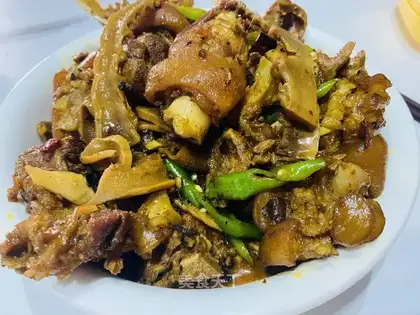
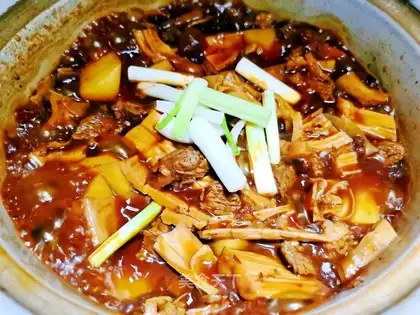
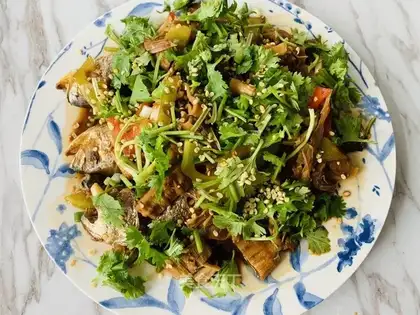
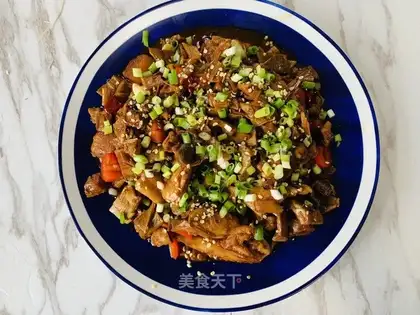
In Asian cuisine, they are a staple in soups (e.g., bamboo shoot and pork rib soup), stir-fries (e.g., Burmese bamboo shoot curry), and pickles. They are also used in fillings for dumplings or as a topping for salads. Western chefs have begun incorporating dried bamboo shoots into grain bowls, pasta dishes, and plant-based meats, leveraging their texture and nutrient density.
Precautions and Potential Side Effects
While dried bamboo shoots offer numerous health benefits, improper preparation or excessive consumption can lead to adverse effects. Understanding these risks ensures safe enjoyment.
1. Cyanide Toxicity
Fresh bamboo shoots contain cyanogenic glycosides, compounds that release cyanide when broken down. While drying reduces cyanide levels, residual traces may remain if not properly prepared. To minimize risk:
- Soak thoroughly: Soak dried shoots in water for at least 12 hours, changing the water every 4–6 hours.
- Boil before use: Boil rehydrated shoots for 15–20 minutes in an uncovered pot to allow cyanide to evaporate.
- Avoid raw consumption: Never eat dried bamboo shoots without rehydration and cooking.
Symptoms of cyanide poisoning include headache, dizziness, nausea, and in severe cases, respiratory failure. Proper preparation eliminates nearly all risk.
2. Thiaminase Content
Dried bamboo shoots contain thiaminase, an enzyme that breaks down thiamin (vitamin B1). While thiaminase levels are lower in dried shoots than in fresh ones, excessive consumption can lead to thiamin deficiency, causing beriberi (a condition characterized by nerve and muscle damage). To mitigate this:
- Consume in moderation: Limit dried bamboo shoots to 2–3 servings per week.
- Pair with thiamin-rich foods: Combine them with foods high in thiamin, such as pork, nuts, and whole grains, to balance intake.
3. Purine Content
Dried bamboo shoots are moderately high in purines, compounds that can trigger gout in susceptible individuals. Gout occurs when uric acid crystals build up in joints, causing severe pain. Those with gout or high uric acid levels should limit consumption or consult a healthcare provider.
4. Sodium in Canned Varieties
While dried bamboo shoots are naturally low in sodium, canned versions often contain added salt for preservation. For individuals with hypertension or kidney disease, choosing low-sodium or no-salt-added dried varieties is crucial.
Conclusion
Dried bamboo shoots are a nutritional and culinary treasure, offering a unique combination of fiber, vitamins, minerals, and bioactive compounds that support digestive health, weight management, cardiovascular function, and immunity. Their versatility in dishes—from traditional Asian soups to modern plant-based meals—makes them a valuable ingredient for diverse diets. However, their safety hinges on proper preparation: thorough soaking and boiling to eliminate cyanide, moderation to avoid thiamin deficiency, and caution for those with gout or sodium sensitivity.
When enjoyed responsibly, dried bamboo shoots are more than just a preserved ingredient—they are a link to ancient culinary traditions and a modern superfood that promotes health and well-being. As global interest in plant-based, nutrient-dense foods grows, dried bamboo shoots are poised to take their place as a staple in kitchens worldwide, offering flavor, nutrition, and a story of sustainability and tradition.