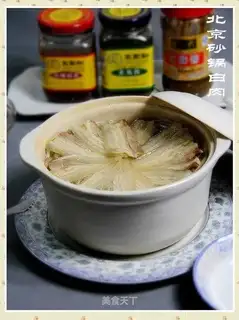
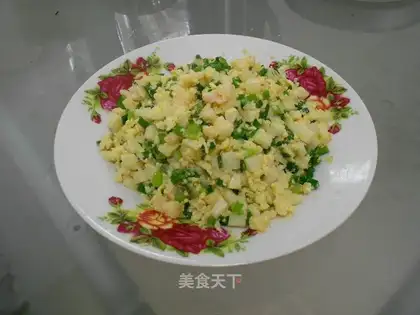
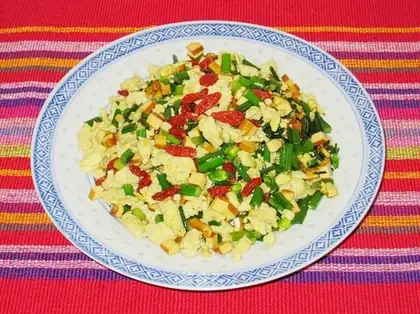
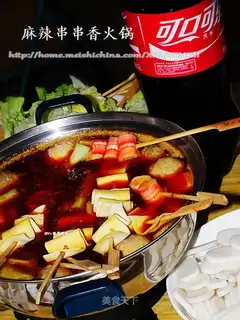
"White pork casserole" is a traditional delicacy in old Beijing. The best ones made in Beijing are Beijing's time-honored brand "Casserole House Restaurant". <br />This dish is actually very simple to prepare, but the eating method is very particular. There are also some dipping ingredients served along with the white meat casserole. The dipping is made from sesame paste, chili oil, soy tofu and chive flowers. According to guests 'needs, you can also add some mashed garlic, pepper oil, rice vinegar, etc., which can be added according to guests' own preferences. In short, Beijingers eat very carefully. <br />In the past, white meat casserole was served with Beijing-style staple foods such as sesame cakes. Now there are more rice served with it, and white meat casserole is served as soup. The recipe for this "Old Beijing Casserole White Meat" is as follows;
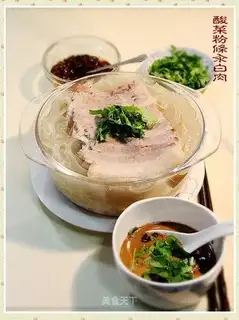
There is a delicious food most suitable for winter in Northeast China, called "pickled cabbage vermicelli and boiled white pork". The recipe of this dish is similar to Beijing's "white meat casserole", except that the vermicelli is replaced with vermicelli, which makes it smoother and smoother. <br />"Soiled Pork with Pickled Sauerkraut Powder" is an original soup dish. The combination of meat and vegetables is very healthy when it is made. The meat slices inside are fat but not greasy. It is very appetizing when paired with old sauerkraut from the Northeast. <br />You can use potato flour or sweet potato flour for vermicelli. Stew several raw materials in thick pork bone soup for a while, and finally just use salt, pepper, etc. to slightly season the dishes to maintain the original flavor of the dishes to the greatest extent possible. <br />The ingredients of this dish are more unique. It uses peanut and sesame mixed paste, fermented bean curd, leek flower, soy tofu, chili oil, pepper oil, fresh soy sauce, vinegar and minced coriander to make a thick and suitable dip. Then use it to dip it into white meat and eat it with a unique flavor! <br />You can choose freely when making this dish. It can be served in a casserole, hot pot, or a large soup basin. The severe winter in the Northeast is very cold. The snow on goose feathers or the smoke blowing outside the house can be said to be freezing. At this time, you can set up a table on the warm kang in the house and set up a pot of steaming pickled cabbage vermicelli to boil the white meat. Add two ounces of Northeast white dried meat. You will eat it with your blood boiling and your whole body. Don't mention how beautiful it is. People have long forgotten the cold outside the window, haha! The main recipe for this dish is as follows;
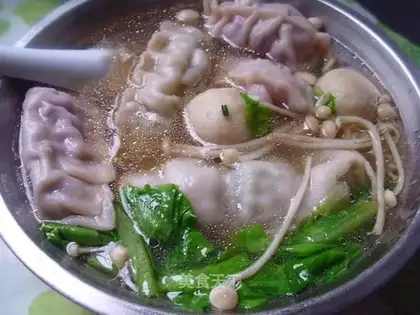
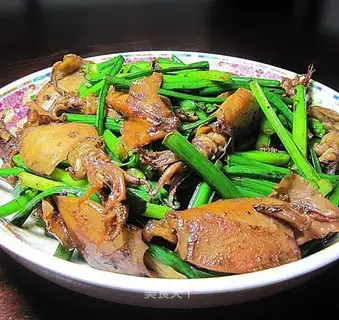
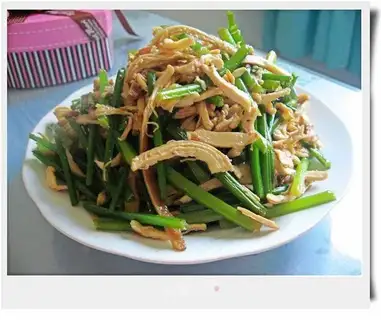
When I saw purple cabbage in the supermarket, I always wanted to buy it, but he always refused. In the end, I used both soft and hard before he agreed to buy one. This purple cabbage is really expensive. I bought it for more than ten yuan. In fact, it doesn't taste much different from ordinary cabbage, and it's too thick and difficult to stir-fry. Just like this, he was always saying: "Isn't that the taste of cabbage? Why don't you spend so much money to buy this purple cabbage?" How can I know what it tastes like without trying it? Isn't it? He said, I still had to find a way to solve this cabbage, so I wanted to make purple dumplings. Unfortunately, because the juice was not enough, the dumplings didn't meet my expectations in the end, but it doesn't matter, the dumplings filled with purple cabbage are also delicious! <br />The leek flowers were left over when frying the octopus. Because I bought a handful and stir-fried them all too much, I was afraid that it would get old if I left them for a long time, so I made dumpling fillings together.
Chai fish soup is one of the must-have condiments for Japanese cuisine, because the delicacy of Chai fish soup can often add more umami and aroma to food. <br />The most commonly used soy sauce in Japanese cuisine has many flavors, but it can be roughly divided into thick and light flavors. Nongkou soy sauce is deeper, has a more delicious taste, slightly sweet, and is widely used. It is needed in almost all dishes and sauces, so it has become the most important variety of soy sauce. Light soy sauce is relatively light and has a strong taste. It is generally placed in dishes that do not change the color of the ingredients and sauce. There are few general applications. <br />Generally, in Japanese cuisine, only a small amount of sauce is made with light soy sauce. (Soiled vinegar, thick eggs, and steaming in tea bowls are generally light mouthed.) However, if there is no light mouthed soy sauce, all of them can be replaced with thick mouthed soy sauce, but the color is slightly inferior. Therefore, the consumption of thick soy sauce far exceeds that of light soy sauce. Nongkou soy sauce has also become synonymous with home-made Japanese soy sauce.