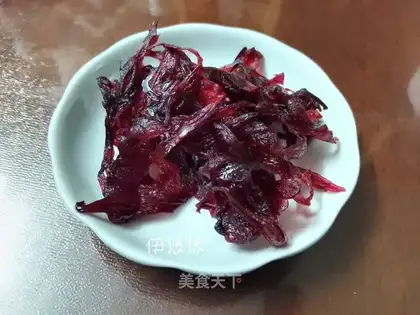
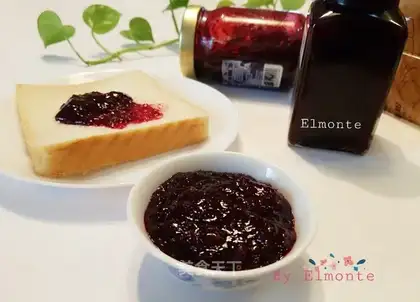
Hibiscus, scientifically known as Hibiscus sabdariffa, is a vibrant flowering plant native to tropical and subtropical regions, including Africa, Asia, and the Caribbean. Renowned for its striking crimson calyces (the part enclosing the flower bud), hibiscus is not just a visually stunning plant but also a nutritional and medicinal treasure. Commonly consumed as tea, juice, jam, or dietary supplement, hibiscus has been used for centuries in traditional medicine systems for its potent health-promoting properties. This article explores the nutritional profile of hibiscus, its evidence-based health benefits, potential side effects, and dietary precautions to help individuals incorporate this superfood safely and effectively.
Nutritional Profile of Hibiscus
Hibiscus calyces are rich in bioactive compounds, including polyphenols, flavonoids, anthocyanins, organic acids, and vitamins, which contribute to their nutritional and therapeutic value. A 100-gram serving of dried hibiscus calyces contains approximately:
- Calories: 49 kcal
- Carbohydrates: 12.3 g (including 0.1 g of fiber)
- Protein: 1.1 g
- Fat: 0.6 g
- Vitamin C: Up to 215 mg (over 200% of the daily recommended intake)
- Vitamin A: 7 IU
- Minerals: Iron (2.8 mg), Calcium (215 mg), Magnesium (102 mg), Potassium (280 mg)
- Bioactive Compounds: Anthocyanins (delphinidin, cyanidin), protocatechuic acid, hibiscus acid, and organic acids (citric, malic)
The high concentration of vitamin C and anthocyanins gives hibiscus its potent antioxidant and anti-inflammatory properties, while its mineral content supports overall metabolic and physiological functions.
Health Benefits of Hibiscus
1. Antioxidant and Anti-Inflammatory Properties
Hibiscus is a powerhouse of antioxidants, particularly anthocyanins, which give it its deep red color. These compounds neutralize free radicals—unstable molecules that cause oxidative stress, leading to chronic diseases such as cancer, diabetes, and cardiovascular disorders. A 2013 study published in the Journal of Agricultural and Food Chemistry found that hibiscus extract exhibited higher antioxidant activity than many fruits and vegetables, including blueberries and green tea.
Additionally, hibiscus contains protocatechuic acid, a polyphenol with demonstrated anti-inflammatory effects. Chronic inflammation is linked to conditions like arthritis, obesity, and neurodegenerative diseases. Research suggests that hibiscus inhibits pro-inflammatory enzymes (e.g., COX-2) and cytokines, reducing inflammation and associated tissue damage.
2. Cardiovascular Health Support
One of the most well-researched benefits of hibiscus is its ability to improve heart health. Multiple clinical trials have shown that hibiscus tea can significantly lower blood pressure in individuals with mild to moderate hypertension. A 2010 meta-analysis in The Journal of Nutrition reviewed five studies and found that consuming hibiscus tea (2–3 cups daily) for 2–6 weeks reduced systolic blood pressure by 7.2 mmHg and diastolic blood pressure by 3.1 mmHg, comparable to some antihypertensive medications.
The antihypertensive effects are attributed to hibiscus’s ability to act as a natural ACE (angiotensin-converting enzyme) inhibitor, a mechanism similar to that of prescription blood pressure drugs. Moreover, hibiscus helps lower LDL (“bad”) cholesterol and triglycerides while increasing HDL (“good”) cholesterol, reducing the risk of atherosclerosis and heart disease.
3. Weight Management and Metabolic Health
Hibiscus has gained attention for its potential role in weight loss and metabolic regulation. Animal studies indicate that hibiscus extract inhibits the activity of amylase and lipase—enzymes responsible for breaking down carbohydrates and fats, respectively. This inhibition reduces calorie absorption and fat accumulation.
In human trials, hibiscus supplementation has been linked to reduced body weight, body mass index (BMI), and waist circumference. A 2014 study in Food & Function found that overweight adults consuming hibiscus extract for 12 weeks experienced significant reductions in body weight and belly fat compared to a placebo group. Additionally, hibiscus may improve insulin sensitivity, making it beneficial for individuals with type 2 diabetes or prediabetes.
4. Liver Protection and Detoxification
The liver is a vital organ responsible for detoxification, and hibiscus has hepatoprotective (liver-protective) properties. Studies show that hibiscus extract reduces liver damage caused by toxins (e.g., alcohol, heavy metals) and oxidative stress. Its high antioxidant content neutralizes free radicals in liver cells, while its anti-inflammatory effects prevent liver fibrosis (scarring).
A 2018 study in Journal of Ethnopharmacology demonstrated that hibiscus restored liver function in rats with induced liver damage by reducing markers like ALT and AST (enzymes elevated in liver injury) and increasing glutathione (a key antioxidant). These findings suggest hibiscus may support liver health in humans, particularly those with conditions like fatty liver disease.
5. Antimicrobial and Immune-Boosting Effects
Hibiscus exhibits broad-spectrum antimicrobial activity against bacteria (e.g., Staphylococcus aureus, Escherichia coli) and fungi (e.g., Candida albicans), making it a natural remedy for infections. Its high vitamin C content further enhances immune function by stimulating white blood cell production and improving skin barrier health.
Traditional medicine systems in Africa and Asia have long used hibiscus to treat colds, sore throats, and urinary tract infections. Modern research supports these uses, with studies showing that hibiscus extract inhibits the growth of pathogens and reduces inflammation in infected tissues.
6. Skin and Hair Health
The antioxidants and vitamins in hibiscus promote skin and hair health by combating oxidative stress and inflammation. Topical application of hibiscus extract may reduce signs of aging, such as wrinkles and fine lines, by boosting collagen production and protecting against UV damage. Its antimicrobial properties also help treat acne and skin infections.
For hair, hibiscus is used in traditional remedies to promote growth, reduce dandruff, and prevent premature graying. Its high mucilage content (a soluble fiber) conditions the hair, while its amino acids strengthen hair follicles.
Potential Side Effects and Precautions
While hibiscus is generally safe for most people when consumed in moderation, certain precautions must be taken to avoid adverse effects:
1. Blood Pressure Medications Interaction
Due to its natural ACE-inhibiting properties, hibiscus may lower blood pressure excessively when combined with antihypertensive drugs (e.g., lisinopril, amlodipine). Individuals taking blood pressure medications should consult a healthcare provider before consuming hibiscus regularly to avoid hypotension (low blood pressure).
2. Diabetic Medications Interaction
Hibiscus may enhance the effects of diabetes medications (e.g., metformin, insulin) by lowering blood sugar levels. Diabetics should monitor their blood sugar closely when consuming hibiscus to avoid hypoglycemia (low blood sugar).
3. Pregnancy and Breastfeeding
Pregnant and breastfeeding women should exercise caution. High doses of hibiscus may stimulate uterine contractions, potentially increasing the risk of miscarriage. Limited research exists on its safety during lactation, so it is advisable to avoid large amounts.
4. Estrogen Sensitivity
Hibiscus contains compounds that may mimic estrogen in the body. Individuals with hormone-sensitive conditions (e.g., breast cancer, endometriosis, uterine fibroids) should consult a doctor before use, as hibiscus could exacerbate these conditions.
5. Kidney Stones
Hibiscus is high in oxalates, compounds that can contribute to kidney stone formation in susceptible individuals. Those with a history of kidney stones should limit their intake or opt for hibiscus products labeled as “low-oxalate.”
6. Sedative Effects
Some studies suggest hibiscus may have mild sedative properties. Combining it with sedatives (e.g., benzodiazepines, sleeping pills) may enhance drowsiness, so caution is advised.
Culinary Uses and Practical Tips
Hibiscus is a versatile ingredient used in various cuisines and beverages:
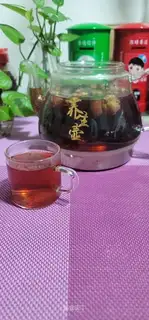
- Tea: The most common use—steep dried calyces in hot water for 5–10 minutes. Add honey, lemon, or ginger for flavor.
- Juice and Smoothies: Blend fresh or dried hibiscus with fruits like mango or pineapple for a nutrient-rich drink.
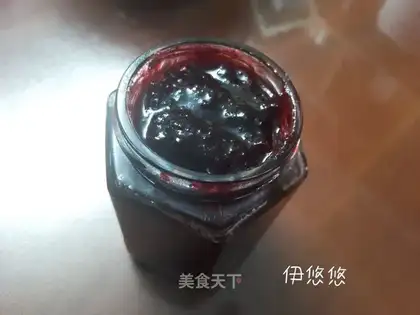
- Jams and Preserves: Hibiscus calyces are cooked with sugar to make tangy, antioxidant-rich jams.
- Soups and Stews: In West African cuisine, hibiscus is used to add flavor and color to soups.
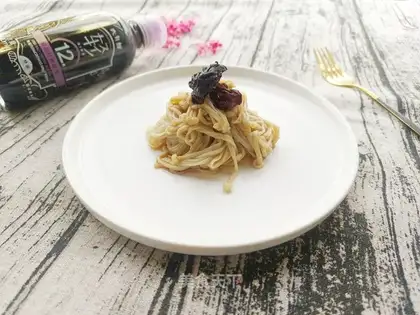
- Seasonings: Dried hibiscus powder can be sprinkled on salads, grains, or meats for a tangy twist.
To maximize benefits, consume hibiscus in its natural form (e.g., tea, whole calyces) rather than sugary commercial drinks, which may negate its health advantages.
Conclusion
Hibiscus is a nutritional and medicinal marvel, offering a wide range of health benefits from antioxidant support to cardiovascular protection and weight management. Its rich vitamin and mineral content, combined with potent bioactive compounds, make it a valuable addition to a balanced diet. However, like any natural remedy, it must be consumed mindfully, especially by individuals with underlying health conditions or those taking medications. By understanding its benefits and precautions, people can harness the power of hibiscus to enhance their health and well-being safely.
As research continues to uncover new therapeutic uses, hibiscus stands as a testament to the wisdom of traditional medicine and the potential of nature to heal and nourish. Whether sipped as tea, blended into a smoothie, or used as a culinary spice, this vibrant plant offers a delicious and effective way to boost overall health.