Sichuan cuisine
VicentaLakin
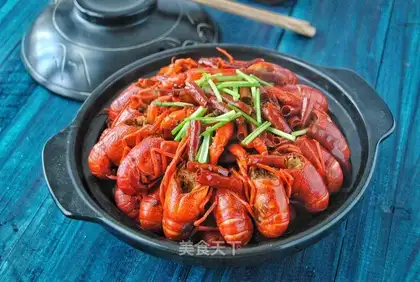
Prepare to enter the May season, at the end of May and June, when lobsters were on the market, when they were the most fertile and the lowest in a year, and when they went out to the streets all night long with lobsters, which were so popular that they were washed clean that they were harmful to the human body, over-eating would cause vomiting and acute gastrointestinal inflammation. The high protein content of lobsters, which are soft and digestible, is an excellent food for those who are weak and in need of care after a disease; the shrimp meat is also rich in magnesium, zinc, iodine, selenium, etc., and magnesium plays an important role in regulating heart activity, protecting the cardiovascular system, reducing cholesterol levels in the blood, preventing artery sclerosis, and expanding the coronary artery to prevent hypertension and heart attack. Lobsters contain shrimp cyanide, which is a strong antioxidant, and scientists at Osaka University in Japan have found that shrimp cyanide helps to eliminate “temporal differences” caused by time differential reactions. In addition, lobsters can be drugged to stop coughing and to promote post-operative muscular healing. There are so many benefits for the lobster, why not make it at home, make it clean and hygienic and eat as much as you like。
VicentaLakin
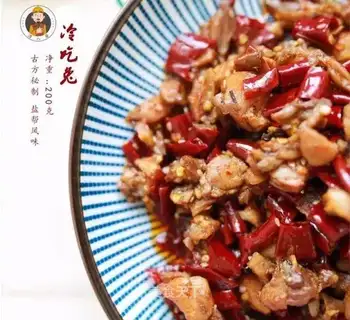
cold rabbits are one of the most distinctive foods for self-serving purposes and one of tan's masters' products, selling more than 10,000 bags a month. every day, the freshest rabbit, the little pot secret, is bought, admired by many and retrogressors. in addition, rabbit meat is high-protein, tastes soft, suitable for children, women and the elderly. the most important thing is that you don't get fat
VicentaLakin
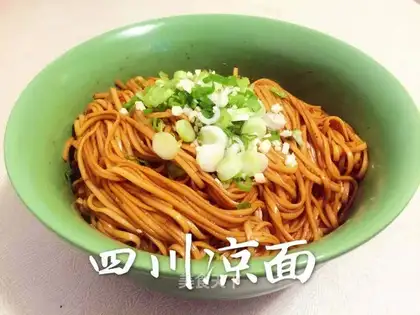
The cold noodles are the classic food of Sichuan. But I didn't like to eat cold noodles when I was a kid, and I didn't like to do it when I came to the United States. But then it turned out that my friends loved my cool noodles, so they often did it for friends, for the church, and it became a classic dish for our church. Many friends asked me for a recipe, but for various reasons I never wrote it. Now I'm writing my secret recipe and sharing it with you! Let's hope this is a classic dish that will give you more pleasure! There are a lot of recipes on the Internet. However, this recipe is characterized by: 1) easy to find. We're in a foreign country, and many home-grown women who can't eat without rice. The recipe is based on material that can be found in the United States, to the maximum extent possible. 2) Streamlining. The recipe is designed to maximize the taste of Harakawa with the most core material. Some of the supplements (e.g. soybean sprouts, cucumbers, etc.) are not included, and they can be added to the population. 3) Repetitivity. Traditional Chinese recipes rely more on experience (“measurable”, “slightly”. All material in this menu follows the principle of quantification, which is simple to repeat. 4) Scalability. I've done it all the time. The content of this recipe can therefore be easily scaled in a linear manner, making the right amount as required。
VicentaLakin
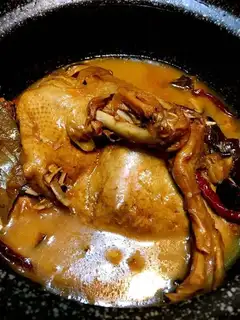
The ducks, the party members, the yellow wine and the beer, together with the casseroles, are able to spread the medicine to its full capacity, taste the taste of the wine, slowly sweat, feel the whole body warm and melted, are well suited to the workmen who often sit in the air-conditioning room, have a chilling effect and are cool, warm and fit for all. The ducks are full of the house, the wine is mixed with the fragrance, and they're drunk before they eat