Jiangxi cuisine
FrederiqueEmard
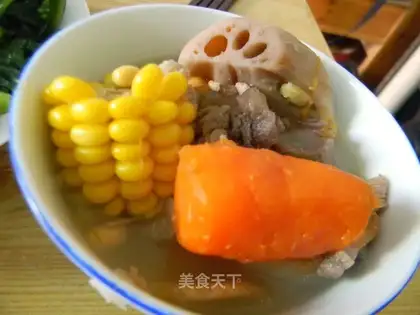
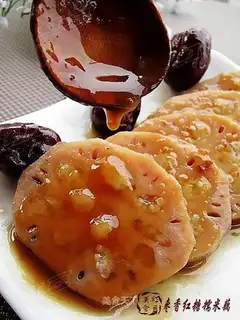
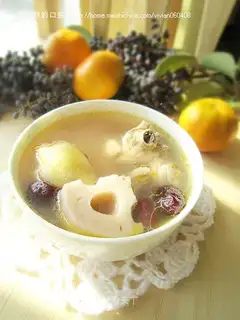
Nutritional analysis of lotus root<br /> 1. Clearing heat and cooling blood: Lotus root is cold in nature and has the effect of clearing heat and cooling blood, and can be used to treat heat diseases; lotus root is sweet and liquid, and is especially beneficial to people with fever, thirst, epistaxis, hemoptysis, and bleeding. <br /> <br />2. Relieving diarrhea, strengthening spleen and appetizing: Lotus root contains mucus protein and dietary fiber, which can combine with cholates in the human body, cholesterol and triglycerides in food, causing them to be excreted from feces, thereby reducing lipid absorption. Lotus root exudes a unique fragrance and also contains tannin, which has a certain effect of strengthening the spleen and diarrhea. It can enhance appetite, promote digestion, appetizing and healthy middle, and is beneficial to people with poor appetite and loss of appetite to restore health. <br />3. Benefiting blood and promoting muscles: Lotus root has a high nutritional value. It is rich in trace elements such as iron and calcium. It is also rich in plant protein, vitamins and starch. It has obvious effects in replenishing qi and blood and enhancing human immunity. Therefore, traditional Chinese medicine calls it: "The main thing is to nourish the middle and nourish the body and increase the strength." <br />4. Stop bleeding and dissipate blood stasis: Lotus root contains a large amount of tannic acid, which has the effect of contracting blood vessels and can be used to stop bleeding. Lotus root can also cool blood and disperse blood. Traditional Chinese medicine believes that it stops bleeding without leaving blood stasis and is a good food therapy for febrile diseases.
DorcasWill
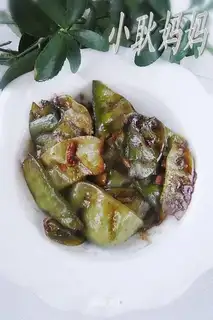
Lentils are quite rich in nutrients, including protein, fat, sugar, calcium, phosphorus, iron and dietary fiber, vitamin A, vitamin B1, vitamin B2, vitamin C and cyanogens, tyrosinase, etc. The B vitamin content of the lentils is particularly rich
SavannahBoyle
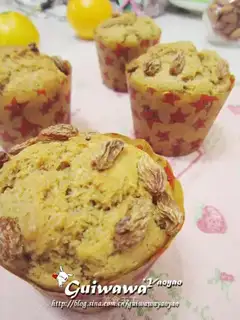
Now is a good time to eat chestnuts. The street is full of fragrant sugar-fried chestnuts. Our old man and old lady came home that day and brought a bag full of sugar fried chestnuts. It's not that I don't like chestnuts, but chestnuts will become very hard when they get cold, and they taste very choke. If you eat too much, you will feel indigestion and won't want to eat for a day. So there is more or less resistance. But insect paper and rabbit paper are not people who like to waste food. Some things will be put away again and again, put away... Eat it until it is stale. How could I let this happen? So why don't you think of a good way to dispose of the leftover sugar-fried chestnuts?? O(④_④)O haha ~<br /><br /> In the past, everyone used chestnuts to make cakes made in Montblanc, and the chestnut paste inside was made of cream. Chestnuts themselves are very sweet. After adding cream and sugar, I think only people who like sweetness can eat them, right? Rabbit paper is a girl who is afraid of getting fat. Generally, she doesn't like to put sugar or cream in her cooking. So today, I would like to introduce you to a very healthy chestnut paste. I will use it to make several unique snacks. <br /><br />As we all know, chestnuts are very nutritious. Rich in unsaturated fatty acids, vitamins, and minerals, it can prevent and treat hypertension, coronary heart disease, arteriosclerosis, bone thinning and other diseases. It is a good tonic for anti-aging and prolonging life. But chestnuts also have a high sugar content, so it would be wrong to treat them as fruits.