bread recipes
VicentaLakin
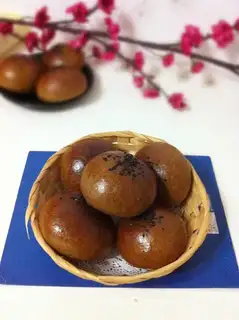
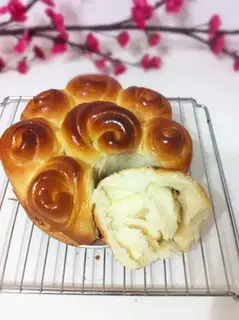
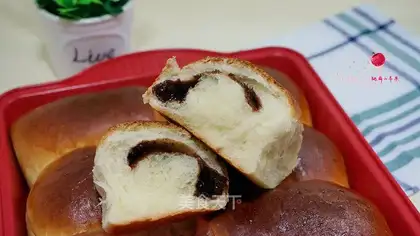
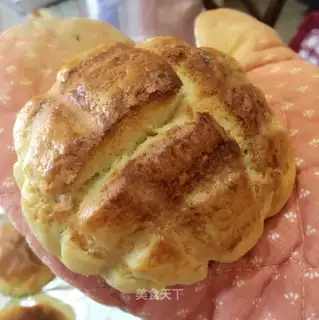
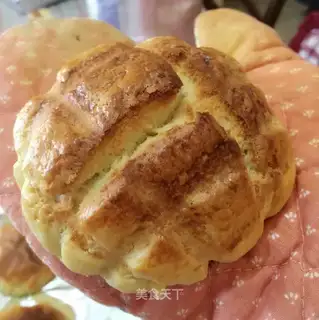
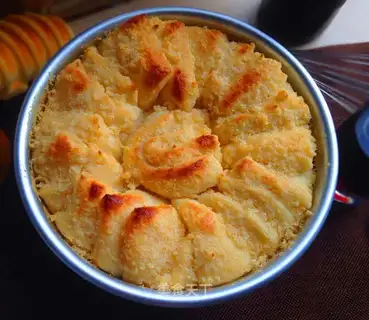
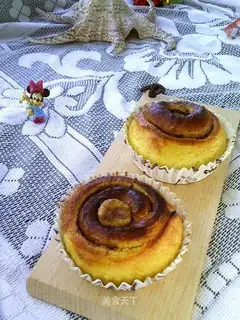
Three questions: One, donuts? Or is it a sweet roll? 2, butter = cheese? 3, eggs? Where are the eggs? Question one: Circle or rolls. Donuts, in my mind, are empty-ringed fried bread. And these three donuts, from the shape of the practice to the English name of "sweetroll," make people think it's better called a sweet roll. Question two: Butter = Cheese? Butter and cheese are entangled, starting with donuts, and the bread book is the most troubling part of the population. The first half has been clear. There is a clear distinction between butter and kerosene in the material base and there is no confusion. Cheese only appears in pizza bread, with three names, indicating that they differ from butter. To come to the donuts, the concept of butter is beginning to become vague, like a cloud, and has to be supported by recipes, step text, pictures. In donut noodles, butter is the usual butter, very clearly. It seems that butter is no longer the butter. Three donuts, three plasters: wood, sugar and peanuts. The wooded doughnuts, formulated in a formula of “15 g butter sauce”, “cheese (at constant temperature) 50 g”; steps to describe “place butter cheese in the basin” and “mix cheese in the other basin”; the picture does not show cheese blocks, nor does it show that the smooth and soft butter cheese is butter. Butter sauce = butter cheese, but what's cheese? Almond jam uses 25 grams of butter and banana sugar uses 50 grams of butter. Almond jams are made “in the noodle cheese in the noodle basin”, while banana sugar is made “to heat the oil pan. And when it turns into the color of butter and sugar, put in some cheese?" Where does cheese come from? Peanut doughnuts. Using the term “butter (proper temperature) of 30 g”, the step indicates that “the butter cheese is inserted in the flour basin”. In combination of three doughnuts, butter = butter cheese = cheese. It's all butter, and banana sugar donuts are the most readily available. However, there was a small adaptation of the composition of the milk sugar to a soft collapse of someone who failed to stand up to the wall, and it was eliminated. Ready, start making noodles. Question three: Where are the eggs? When you're feeding, you're used to taking a quick look at the text, you're holding back, you're adding eggs to the mix? And the eye is turned to the picture, and it is clear that the brightness is the egg, and then it turns to the table of ingredients, and one item is carefully identified, and indeed there are no eggs. Where are the eggs? If you look at the amount of water, it's obvious that a little bit is not enough to rub out soft noodles. The eggs were indeed missed. See the old sweet bread of the master of Japan, combined with the impression of making bread on a daily basis, adding 30 grams of eggs to be the end of the noodles. The rolls with a string of questions finally entered the oven, and after about five minutes, it suddenly became apparent that the colour was too fast and heavy, and that it was too busy to lower the fire and soak. Turn your head and look at what's in the book, and keep your head down -- it doesn't have to be light. By the way, maybe it's the sugar. This guy has more color than ordinary bread
VicentaLakin
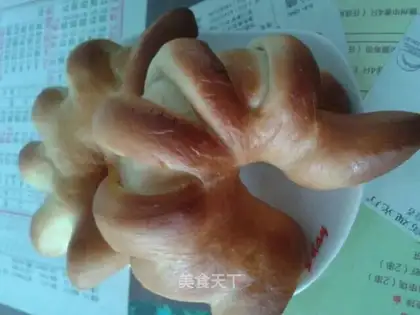
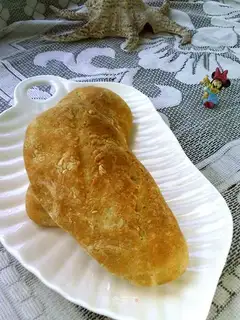
The sun had burst in recent days, the temperature had risen and some had panicked. Observes the thermometer, which at midday, the room temperature can be maintained at 25 degrees or below, and completes it in the Italian Shabata, which requires fermentation at 22-25 degrees for 15-20 hours. "Italian Shabata bread with special shapes like shoes" is described in the book. It doesn't look like shoes at all. How can a shoe not talk? It's not a shoe, it's a slab. I've been with Mr. Meng's slipper bread -- a rectangular flat sample. And the Japanese master's Shabata, on the surface, slashed two blades. It's a very special form of plasticization -- it's going to fall out of the fermented face, and it's going to be equal and long. It's lined up on the tray, with one end wide and narrow, like the shape of the toe and the heel. And the scratches left on the wide end of the finger were hidden like toes. How could it be shoes? It's like a 100% Chinese way of doing it. The fermentation, the fermentation, the fermentation, the fermentation. Something went wrong with the cut. Or is it a bit hesitant to cut? The noodles did not form a neat cut, but were wrinkled out of the blade. We can't fix it, we'll just bake it. It's ugly, it's fine。