White Dew, the third solar term of autumn, marks a shift as temperatures drop and dew condenses into a visible white layer. Traditional Chinese medicine emphasizes that this period is crucial for preventing "cold damage," as the body's yang energy weakens while yin energy grows. A key principle is to avoid exposing the arms and legs to chill, as this can disrupt the body's balance and lead to health issues.
During White Dew, mornings and evenings grow noticeably cooler, and sudden temperature changes make the body vulnerable to external pathogens. Exposing bare limbs allows cold to invade the meridians, potentially causing joint pain, muscle stiffness, or digestive problems. TCM links cold exposure to a weakened spleen and stomach, resulting in poor appetite or abdominal discomfort. To stay healthy, opt for long-sleeved clothing and pants, especially when outdoors early or late in the day.
Additionally, focus on nourishing yin and boosting immunity. Warm foods like pears, porridge, and ginger tea are ideal, while cold or raw foods should be limited. Gentle exercises such as tai chi or walking can enhance energy flow without overexertion. By prioritizing warmth and mindful habits, one can adapt smoothly to autumn's transition and maintain vitality through the season.
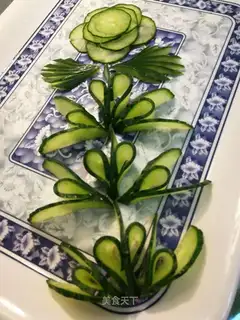 cucumbers"
 Porridge fish"
 Strawberry-fruit ice"
 Bronze roses"
 Onion fried eggs"
 Rice-hairs"
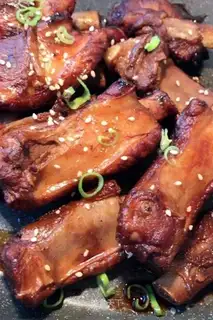 Coke ribs"
 Fruit yogurt ice cream"
 Tofu soup"
 Pancakes"
 Spicy tea eggs"
 Frozen powder"
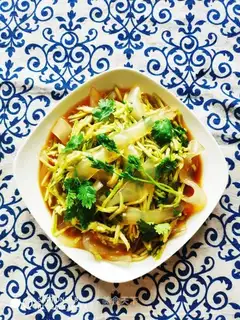 Pickle cucumber"
 Fat cow, golden mushroom"
 Classic cake rolls"
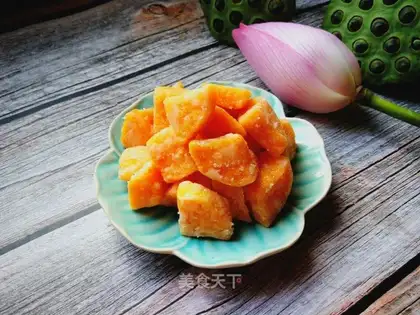 Frozen French horns"
 Sake"
Sake" Vanilla sea salt, big chocolate cookies"
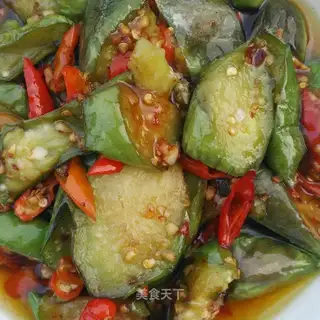 Cheese"
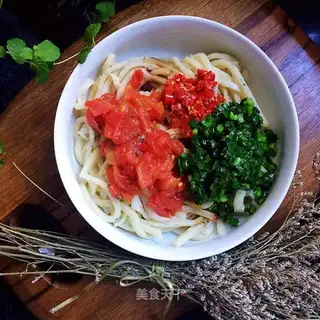 Spaghetti"
 Oily tofu"
 A multi-coloured fish"
 Curry chicken lids"
 Meatballs"
 Red bean roll"
 Red catfish"
 Donuts"
 Sausage ribs"
 Eels pan sticker"
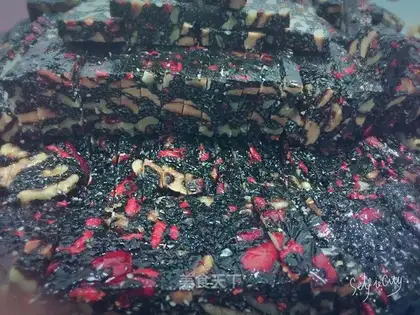 Anointed"
 Black rice, red bean dates"
 Hao Tong"