Chinese New Year’s Eve reunion dinner, or *Nianfan*, is more than a meal—it’s a tapestry of traditions weaving hope, love, and the promise of a smooth year ahead. At its heart lies the dish “Yifan Fenshun” (一帆风顺), or “Smooth Sailing,” a culinary metaphor for life’s journey.
Typically featuring braided fish balls or whole steamed fish, this dish steals the spotlight. The fish, symbolizing abundance (“yu” sounds like “surplus”), is often presented with its head and tail intact, representing a complete, unbroken year. Its smooth, uncut surface embodies the wish for obstacles to glide by effortlessly, while the vibrant braided dough of fish balls resembles interlocking sails, catching the wind of good fortune.
Beyond the food, the meal itself is a ritual of harmony. Family members gather around the table, sharing laughter and stories, their bonds as unyielding as the dish’s symbolism. Each dish, from dumplings shaped like ancient gold ingots to sweet rice cakes for “higher achievements,” carries a wish: may the new year flow as smoothly as a steady sail, free from life’s storms.
As the last dish is served, the table becomes a ship, and loved ones its crew. With “Yifan Fenshun” at the center, the reunion dinner sets a course for a year of calm, prosperity, and joy—where every challenge is met with the wind at our backs.
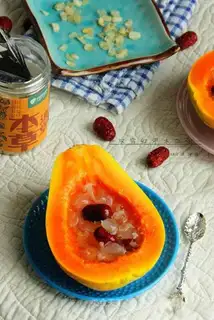 Two snow-tree papaya boats"
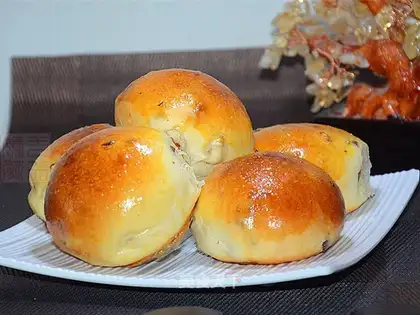 Yogurt-porn"
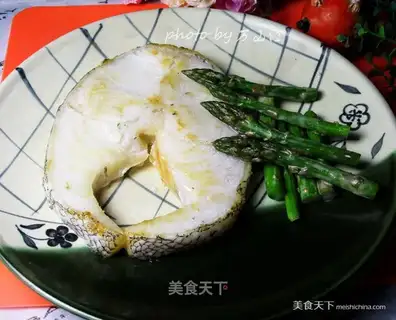 Silver cod fish"
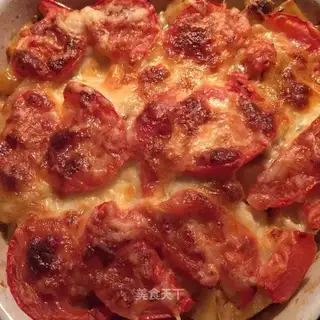 Masurila roasted pumpkin"
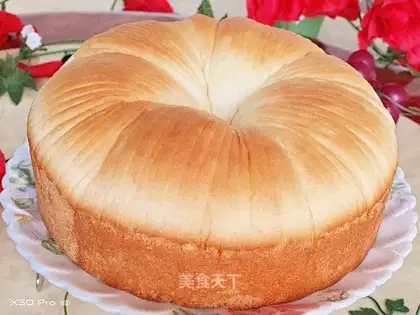 Peanut butter linebread"
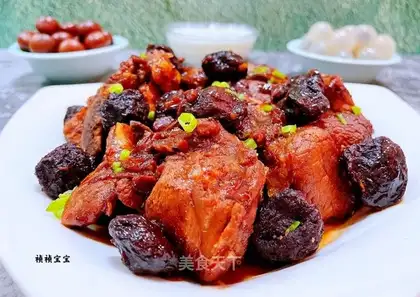 Plum ribs"
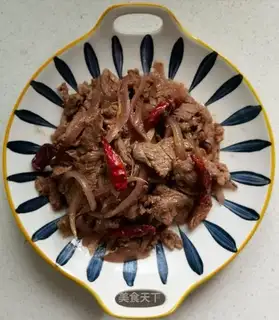 Routine onion beef"
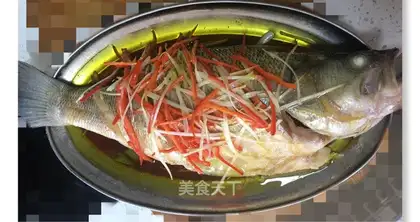 Vacuate herring"
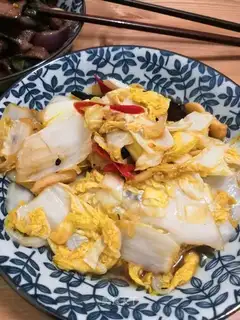 It's for Army Day dinner"
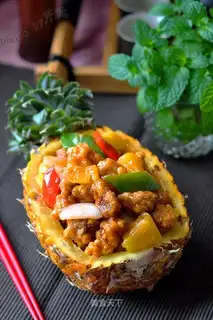 The pineapple boat grunts"
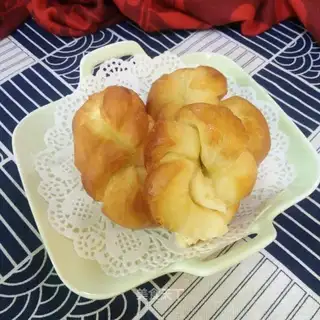 Milky-sweety-sweety-sweety plums"
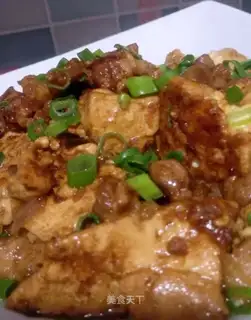 Five flowers and tofu"
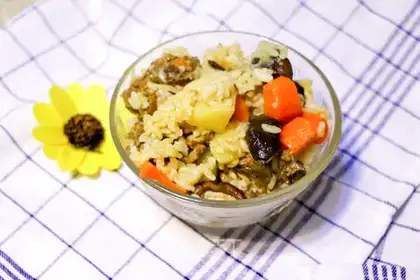 Bones and rice"
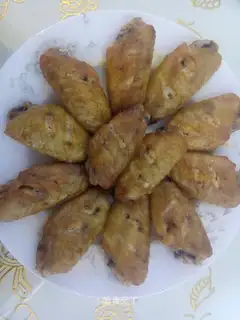 Family New Orleans chicken wings"
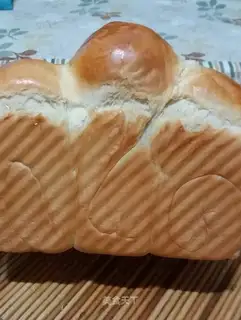 A toast that won't fail"
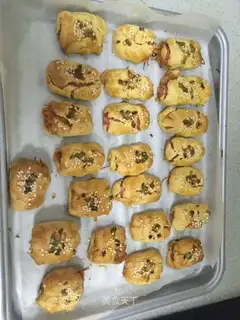 Meat and ham"
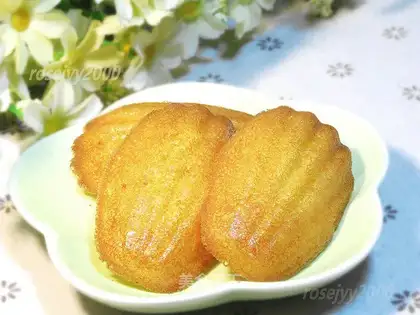 pineapple Madeleine"
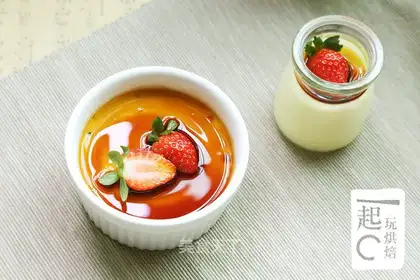 French caramel pudding"
 Porpoise"
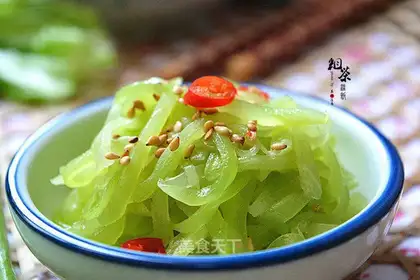 Cracking silk"
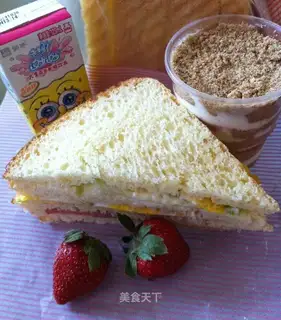 Ham sandwich"
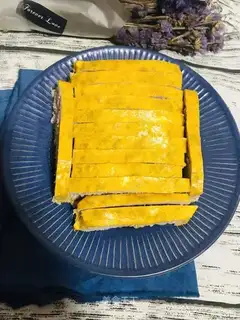 Eggskin meatloaf"
 Ham omelet doll"