The Chinese New Year’s Eve reunion dinner, or "Nian Ye Fan," is more than a meal—it is a heartwarming tapestry of tradition, love, and blessings. Steeped in symbolism, every dish served carries a wish for prosperity, harmony, and good fortune in the coming year.
At the center of the table, a whole fish often takes pride of place. Its name, "yu," sounds like "surplus," signifying abundance. Dumplings, shaped like ancient gold ingots, promise wealth, while long noodles, uncut, represent a long life. Sweet rice cakes, "nian gao," are a must—their sticky texture symbolizes "rising higher" in career or happiness. Families might also serve tangerines and pomelos, as their golden hues and names sound like "luck" and "grandeur," filling the home with festive joy.
Beyond the food, the dinner is a time for reunion. Laughter echoes as relatives gather, sharing stories and toasting to health and happiness. Children receive red envelopes, while elders pass down blessings, reinforcing family bonds. As the clock strikes midnight, the glow of lanterns and the aroma of festive dishes create a scene of warmth and hope. This meal is not just about eating; it is about honoring roots, cherishing togetherness, and welcoming a new year filled with "auspiciousness and good fortune."
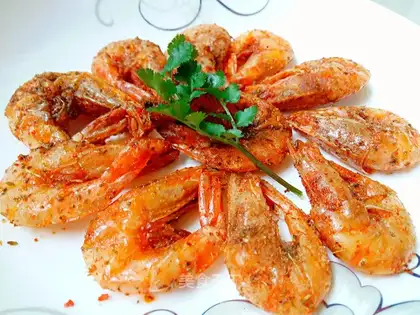 A big shrimp"
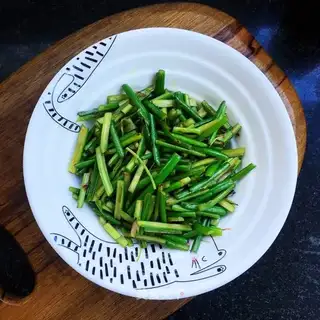 Pelican and garlic"
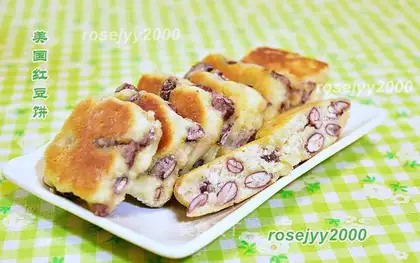 American red bean pie"
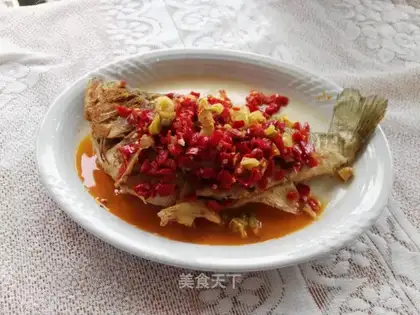 Piperfish"
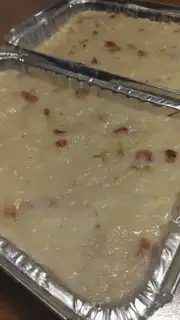 radish cake"
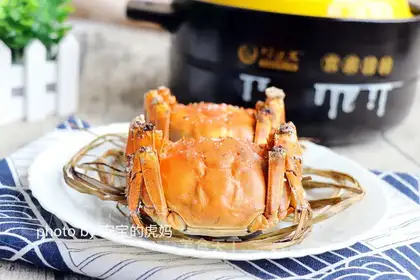 Salt crabs"
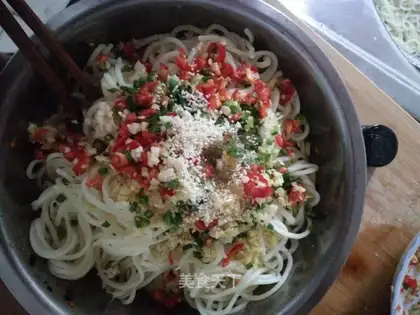 Cold noodles"
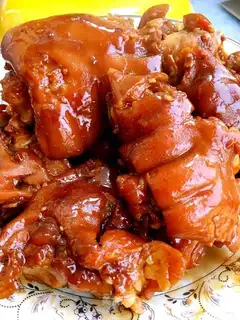 Red pig hoof"
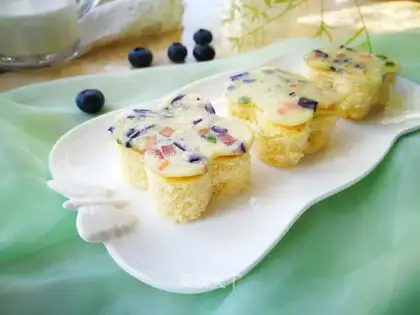 Bricked eggcake"
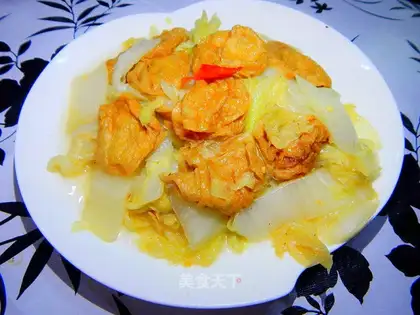 Bean bubbling"
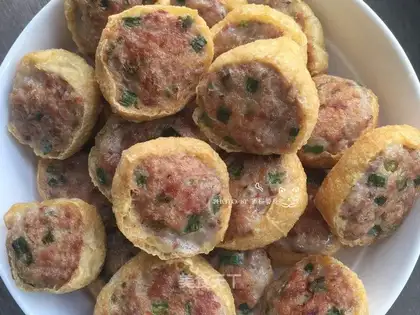 It's soybean"
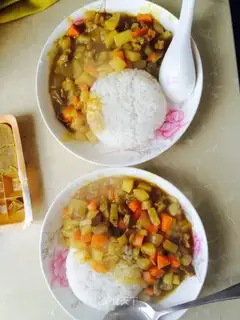 Beef curry"
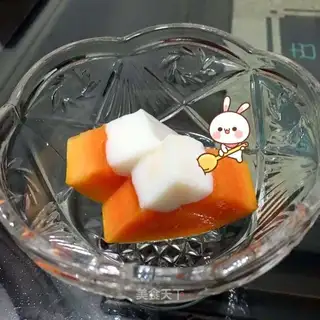 Cucumber coconut cream"
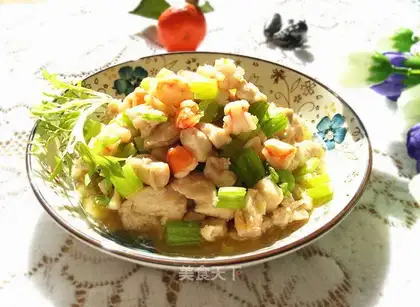 In the chicken"
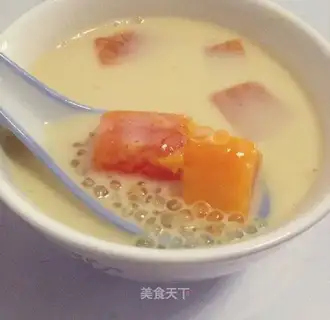 Cucumber-cream Simillo"
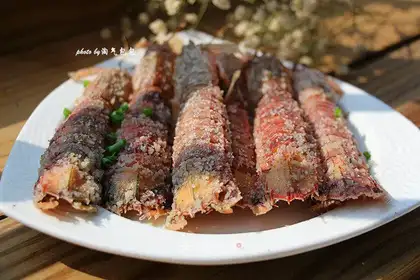 Pretzels, prawns"
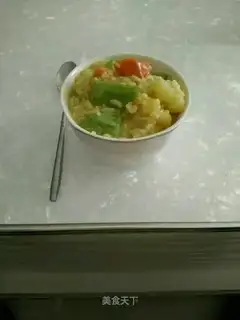 Curry"
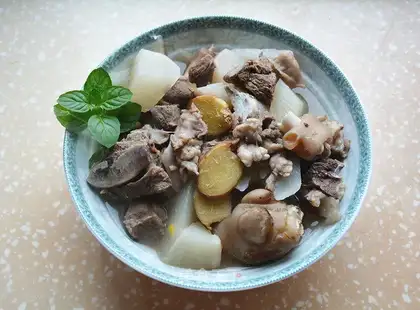 A lamb stew"
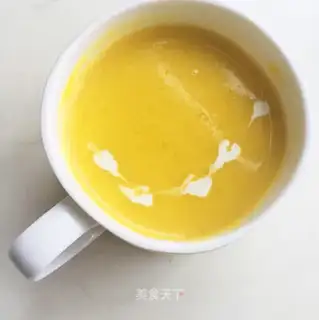 Pumpkin soup"
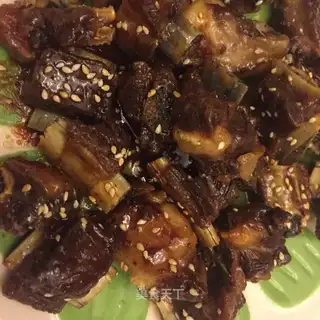 Sugar vinegar ribs"
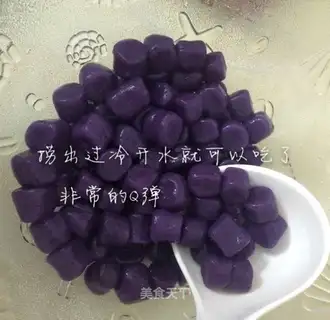 Q POTATOBALLS"
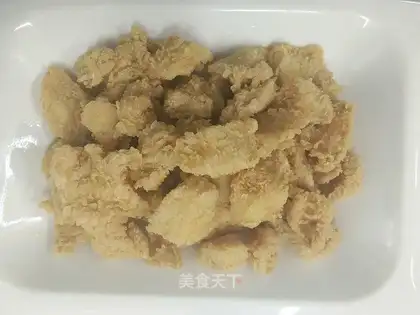 Spicy chicken and rice"
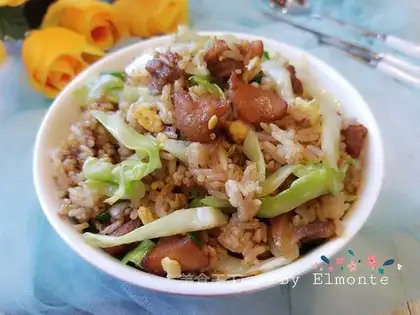 Scrambling"
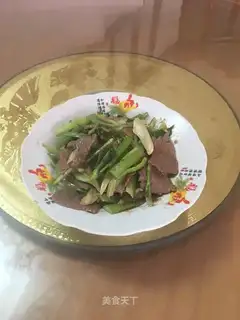 Cream beef"
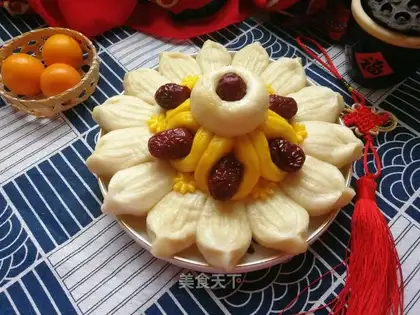 Little dates"
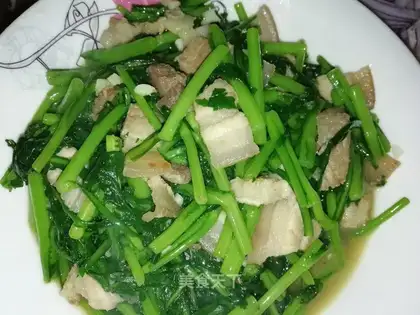 Fire the Emperor's food"