salty and fresh Recipe
HarmonyReilly
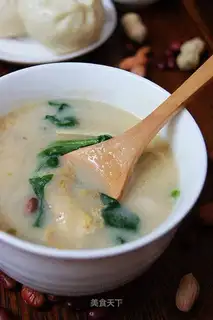
Sweet foam is a traditional popular porridge food in Jinan. It is a kind of salty porridge made mainly of millet flour. People in Jinan also commonly call it "five-spice sweet foam". Among the many snacks in Jinan, Tianmo is the most affordable and high-quality "signature" snack. <br /><br />One of the origins of sweet foam<br /> In the late Ming and early Qing Dynasties, due to natural disasters and wars, a large number of refugees flocked to Jinan. There was a small porridge shop surnamed Tian, which often gave up porridge for relief. The victims told each other that an increase in the number of people coming to the porridge shop to drink porridge to save lives. The porridge shop was unable to satisfy everyone's demands, so it added a large amount of vegetable leaves and salty and spicy seasonings to the porridge. Whenever the victims saw white foam in the big pot of porridge before serving bowls and serving porridge, they affectionately called it "Tian Mo", which was the porridge provided by Boss Tian. At that time, a needy scholar who came to Jiji to take the exam also came here to get this porridge. The meal was extremely sweet and he thought that the "sweet foam" would be a true inheritance. Later, after the scholar obtained fame and became an official, he made a special trip to Ji to drink sweet foam again. He no longer felt like it used to be. When asked why, the boss replied that it was actually "Tian foam", which means porridge with the surname Tian. The official suddenly realized that it was caused by a mistake in writing when he only listened to the sound, so he wrote a plaque "Sweet Foam" and recited a poem: "I mistakenly made Tian Mo sweet because of the connection at the beginning; I have read all the vicissitudes of the world. Taste, after bitterness and spiciness, it is always sweet." From then on, this salty porridge was called "sweet foam". It seems that only by personally visiting and drinking this delicious salty porridge can you feel the origin of the name Tianmo! <br /><br />The second origin of sweet foam<br /> There is a saying that best explains the origin of "sweet foam": it was not called "sweet foam" at first, but called "Tianmo"-when the porridge is ready, add some vermicelli, vegetables, peanuts, seasonings, etc."Finally", it tastes great! "Tianmei" spread. Later, people transformed it into "sweet foam" according to its homophonic elegance.
RethaStanton
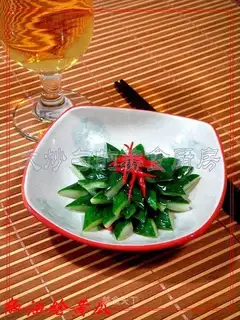
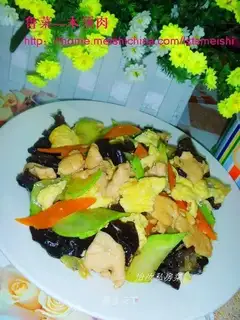
A good table of "Shandong cuisine" banquet emphasizes the appetizers, stir-fried dishes and large dishes, plus snacks, soups and snacks. The usual form of a "Shandong Cuisine Banquet" is to place dried fruits and candied fruits in front of the banquet, followed by six cold meats, soup, exquisite snacks, big vegetables, sauté, stewed vegetables, desserts, assorted snacks, staple foods, fruit plates, etc. Among them are hot and cold, sweet and salty, stewed, stir-fried, frying, etc. The waiter will pass the dishes one by one and make you dazzle. At this time, it will make you work excitedly and work hard. It tastes like a living god, haha! <br />This kind of feasting scene was still two years ago, when the company's big deal was completed, and the blood was paid by the customers. At that time, accompanying the boss was a feast. Beautiful! <br />Counting this big meal, there are about thirty dishes of various varieties. They are exquisite, unique, and alluring in everything. It is tempting to raise chopsticks! At that time, I was also puzzled. Even if a good banquet was put on the table, the boss was the boss and pretended to be reserved. There was also a Chinese CEO who was obviously a big official and turned a blind eye to it. The two brothers talked with each other and did not move their chopsticks for a long time. Several Chinese followers also pretended to flatter Hu Kan. In fact, I could hear the rumbling in their belly. Two fools, who cares? The boss and his wife were discussing things. I ate double portions of shark fin and the abalone. I ate the boss's share as well. My cheeks hurt from eating, haha! <br />Later, the boss asked me: How did the food taste? At that time, this kid didn't even use his chopsticks much, but I had a vague answer; it was just so! The boss's wife laughed straight! I immediately exposed my shortcomings. He was almost exhausted, but he was still so-so, haha! Later, I heard from a friend of the other party that their CEO came back to the company and asked his secretary to make a bowl of instant noodles. I listened to straight laugh, thought, really deserved, this boy did not suffer hunger, business has been done also talk about what, really want face live suffering! <br />Let's go back to the main topic and continue our introduction of Shandong cuisine. Those scenes on the dishes at home do we are not, to a small dish it, called "pepper oil fried melon", ha ha! The main practices are as follows;
MoisesHegmann
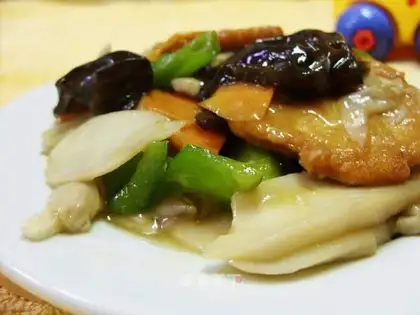
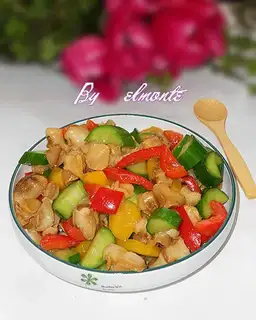
Shandong cuisine, also known as Shandong cuisine, belongs to one of the four major cuisines in China. It has a long history and extensive influence. It is famous at home and abroad for its salty, fresh and tender taste, unique flavor, and exquisite production. Shandong cuisine is divided into: Jinan cuisine, Jiaodong cuisine and Kongfu cuisine. I heard from my father that the Manchu and Han Feast mainly consists of Shandong cuisine. It seems that hotels in Beijing now still have this Manchu and Han Feast, but the price is relatively expensive! <br />All I know is Fengze Garden in Beijing. <br />Most Shandong cuisine is complex to make and delicious. With the passage of time, the diversified cuisine has downplayed the status of Shandong cuisine in the past, but some classic dishes are still special dishes in many restaurants. I remember my father cooking several good dishes are Shandong cuisine. Among them, the ones with more profound memories are sweet and sour sauce carp, four-xi meatballs, crispy chicken, shredded yam, pot tofu, boiled beef meatballs, fried coriander tenderloin, sweet and sour tenderloin, braised pork, moo shu meat, dried pepper tofu, stir-fried tofu with leeks, etc. In addition to simple moo shu meat, stir-fried tofu with leeks, and dried pepper tofu, I rarely cook anything else. I can cook shredded vegetables and sweet and sour vegetables, but I rarely eat fried vegetables at present. On the one hand, it is troublesome, and on the other hand, greasy, and I am afraid of growing meat. Hahaha I rarely cook everything because many of them are oily dishes, so it is really troublesome to cook it once. So except for festivals, these dishes can only be eaten in restaurants, because many of them are very complex dishes. My father is very good at cooking Shandong cuisine, but now I have thought about it. Only this moo shu meat is affordable and simple, so I can make it whenever I want to eat it. Share it here for everyone! Hope everyone likes it! <br />Pork is higher in fat than chicken, so I usually use chicken because from a nutritional point of view, two-legged meat is healthier than four-legged meat. Today is the moo shu meat made with chicken for your reference. I hope everyone will support and like it!
MadysonRitchie
Ingredients: chicken essence,salt,green pepper,carrots,Coprinus comatus,eggs,chicken breast,cooking wine,soy sauce,starch,vinegar,oyster sauce,sunflower oil
KaleighStark
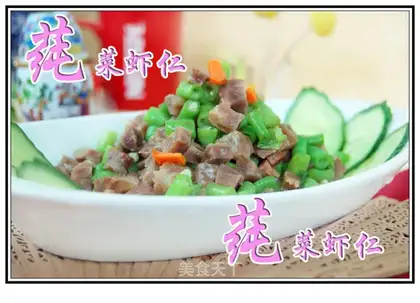
Last year, my wife was ingenious and hired someone to process sausages worth about 100 yuan. Because homemade sausages do not add colors or additives. It's just that the color is not bright, but the taste is pure and delicious. <br />Sausage is a very ancient meat preservation technology for food production and has a long history of making in my country. It is made by grinding animal meat into mud, pouring it into casings made of pig intestines, growing into cylindrical tubes, and then undergoing processes such as compression, dehydration and drying. Its tastes are salty, sweet and spicy. Cowpea belongs to the annual herb of the genus Legumina. It is a common vegetable in summer and autumn. It is also known as bean, carob, long bean, etc. Cowpea is rich in nutrients, containing protein, fat, sugar, crude fiber, calcium, phosphorus, iron, vitamins, etc. Traditional Chinese medicine believes that cowpea is sweet and flat in nature and is not poisonous. It has the effects of strengthening the stomach, stopping thirst, nourishing the kidney, nourishing the essence, regulating the five internal organs, regulating qi and replenishing qi. This dish is made by cooking or steaming the sausage, slicing it, and then putting it into a pan with chopped cowpeas. After being cooked, the sausage is red in color, the cowpeas are green, fresh and salty, and has the effect of appetizing, helping to eat and enhancing appetite.