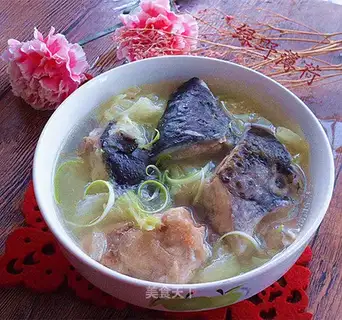
Salmon, celebrated globally for its rich flavor and nutritional density, is often prepared in fillets or steaks—yet one of its most nutrient-dense parts is frequently overlooked: the salmon head. In many culinary traditions, from East Asia to Scandinavia, the head is a prized ingredient, prized for its creamy flesh, collagen-rich skin, and concentrated flavors. Beyond its culinary appeal, the salmon head is a nutritional powerhouse, packed with essential vitamins, minerals, and healthy fats. However, like all foods, it must be consumed mindfully to avoid potential risks. This article explores the nutritional profile, health benefits, and precautions associated with salmon heads, aiming to shed light on this undervalued delicacy.
Nutritional Profile of Salmon Heads
The salmon head is a nutritional treasure trove, offering a unique combination of macronutrients and micronutrients that surpass many other cuts of the fish. While exact values vary by species (e.g., Atlantic, Sockeye, or Coho) and size, a typical 300-gram salmon head contains approximately:
1. High-Quality Protein
Salmon heads are an excellent source of complete protein, providing all nine essential amino acids necessary for muscle growth, tissue repair, and immune function. A single serving delivers around 40–50 grams of protein, making it a valuable option for athletes, individuals recovering from illness, or those seeking to maintain muscle mass.
2. Omega-3 Fatty Acids
One of the most notable nutritional benefits of salmon heads is their high concentration of omega-3 fatty acids, particularly EPA (eicosapentaenoic acid) and DHA (docosahexaenoic acid). These fats are predominantly found in the brain, eyes, and fatty tissues of the head. A 300-gram serving may contain 2–3 grams of omega-3s—significantly more than a fillet of the same weight—due to the head’s rich fat content. Omega-3s are renowned for their anti-inflammatory properties, cardiovascular benefits, and role in cognitive health.
3. Vitamins
Salmon heads are a potent source of fat-soluble vitamins, which are enhanced by the fish’s fatty composition:
- Vitamin D: Essential for bone health, immune function, and mood regulation, salmon heads provide 200–400 IU of vitamin D per serving, roughly 25–50% of the daily recommended intake.
- Vitamin B12: Critical for nerve function and red blood cell production, a single head can supply 5–10 micrograms of B12, exceeding the daily requirement (2.4 micrograms for adults).
- Vitamin A: Important for vision, immune health, and skin integrity, the head (especially the eyes and cheeks) offers moderate amounts of this vitamin, often in the form of retinol.
4. Minerals
The head is rich in minerals that are vital for bodily functions:
- Calcium and Phosphorus: Abundant in the bones and cartilage, these minerals are crucial for bone density and structure. When simmered into broths or stews, the head releases minerals like calcium (up to 200 mg per serving) and phosphorus, which are easily absorbed by the body.
- Selenium: A powerful antioxidant that supports thyroid function and protects cells from damage, salmon heads provide 30–50 micrograms of selenium per serving, meeting 50–90% of the daily recommended intake.
- Iron and Zinc: The head contains smaller but significant amounts of iron (for oxygen transport) and zinc (for immune function and wound healing).
5. Collagen and Chondroitin
The cartilage, skin, and connective tissues in the salmon head are rich in collagen and chondroitin—compounds valued for joint health, skin elasticity, and gut integrity. When slow-cooked, these tissues break down into gelatin, which is easily digestible and supports collagen production in the body.
Health Benefits of Consuming Salmon Heads
The unique nutritional composition of salmon heads translates into a range of health benefits, making it a valuable addition to a balanced diet.
1. Supports Heart Health
The high omega-3 content in salmon heads is a cornerstone of its cardiovascular benefits. EPA and DHA help reduce triglycerides, lower blood pressure, decrease inflammation in blood vessels, and prevent the formation of blood clots. Regular consumption may reduce the risk of arrhythmias, heart attacks, and strokes. Additionally, the selenium in the head works synergistically with omega-3s to combat oxidative stress, further protecting the heart.
2. Enhances Brain Function and Mental Health
DHA, a primary omega-3 in salmon heads, is a major structural component of the brain and retina. Studies suggest that adequate DHA intake improves cognitive function, memory, and focus, and may reduce the risk of age-related cognitive decline, such as Alzheimer’s disease. Moreover, omega-3s have been linked to reduced symptoms of depression and anxiety, as they help regulate neurotransmitter activity and reduce neuroinflammation.
3. Promotes Joint and Bone Health
The collagen, chondroitin, and minerals in salmon heads make them particularly beneficial for joint health. Collagen helps maintain the integrity of cartilage, the flexible tissue that cushions joints, while chondroitin reduces inflammation and pain associated with osteoarthritis. The calcium and phosphorus from the head’s bones support bone density, reducing the risk of osteoporosis, especially in older adults.
4. Boosts Immune Function
Salmon heads are rich in selenium, vitamin D, and vitamin B12—all of which play key roles in immune health. Selenium enhances the activity of immune cells, while vitamin D regulates the immune system and reduces the risk of infections. Vitamin B12, meanwhile, supports the production of white blood cells, which are essential for fighting pathogens.
5. Supports Skin, Hair, and Nail Health
The collagen and omega-3s in salmon heads contribute to healthy skin, hair, and nails. Collagen helps maintain skin elasticity and hydration, reducing the appearance of wrinkles and fine lines. Omega-3s, on the other hand, combat inflammation that can cause skin conditions like eczema and psoriasis. Additionally, the zinc in the head supports tissue repair and cell growth, promoting strong nails and lustrous hair.
6. Aids in Weight Management
Despite being calorie-dense, salmon heads can support weight management when consumed in moderation. The high protein content increases satiety, reducing overall calorie intake by curbing hunger. Omega-3s may also enhance metabolic function, helping the body burn fat more efficiently.
Precautions and Potential Risks
While salmon heads offer numerous health benefits, they are not without risks. Certain precautions must be taken to ensure safe consumption, particularly for vulnerable populations.
1. Mercury and Contaminant Exposure
Like all large predatory fish, salmon can contain trace amounts of mercury, a heavy metal that accumulates in the body over time. Mercury is toxic to the nervous system, especially in developing fetuses, young children, and pregnant women. While salmon generally has lower mercury levels than larger fish like shark or tuna, the head—being a fatty organ—may concentrate mercury more than fillets. To minimize risk:
- Choose wild-caught salmon over farmed varieties, as wild salmon typically have lower contaminant levels.
- Limit consumption to 1–2 times per week, and avoid it altogether by pregnant women, nursing mothers, and young children.
2. Allergies
Fish allergies are among the most common food allergies, and the head—like other parts of the fish—can trigger severe reactions in susceptible individuals. Symptoms may include hives, swelling, difficulty breathing, or anaphylaxis. Those with known fish allergies should avoid salmon heads entirely.
3. Bacterial Contamination
Salmon heads, like all raw or undercooked seafood, may harbor harmful bacteria such as Listeria, Salmonella, or Vibrio. To reduce the risk of foodborne illness:
- Ensure the head is fresh; look for clear eyes, bright red gills, and a mild, ocean-like smell.
- Cook the head thoroughly, either by steaming, boiling, or baking, to kill pathogens. Avoid consuming raw salmon heads (e.g., in sashimi) unless sourced from a reputable supplier and handled with extreme care.
4. High Cholesterol and Sodium
Salmon heads are relatively high in cholesterol (around 100–150 mg per serving) and sodium, especially when prepared in broths or stews with added salt. While dietary cholesterol has less impact on blood cholesterol for most people, individuals with hypercholesterolemia or heart disease should consume it in moderation. Opt for low-sodium cooking methods, such as steaming or grilling, and avoid adding excessive salt or soy sauce.
5. Bones and Choking Hazard
The salmon head contains numerous small, sharp bones, which pose a choking risk, especially for children or older adults with swallowing difficulties. To safely consume the head:
- Remove bones before eating, or cook it until the bones are soft and easily chewable (e.g., in slow-cooked soups).
- Supervise children when eating salmon heads and ensure bones are thoroughly picked out.
Culinary Uses and Preparation Tips
To fully enjoy the nutritional and culinary benefits of salmon heads, proper preparation is key. Here are some popular methods:
1. Soups and Stews
In East Asian cuisines, salmon heads are often simmered into broths or stews, where the bones and cartilage release collagen, minerals, and flavor. A classic example is Japanese salmon head miso soup or Chinese salmon head tofu soup, which are both nutritious and comforting.
2. Steaming or Baking
Steaming or baking the head whole preserves its delicate flavor and nutrients. Season with ginger, garlic, soy sauce, and scallions, then serve with steamed rice or vegetables. The cheeks and eyes are particularly prized for their creamy texture.
3. Fermentation
In Scandinavian countries, salmon heads are sometimes fermented or pickled, a traditional method of preservation that enhances flavor and probiotic content. However, fermented foods should be consumed in moderation due to their high sodium content.
4. Fish Head Curry
In South and Southeast Asian cuisines, salmon heads are used in curries, where they absorb spices and create a rich, savory sauce. The head’s bones become tender during slow cooking, adding depth to the dish.
Conclusion
The salmon head is a nutritional powerhouse that offers a unique blend of protein, omega-3s, vitamins, and minerals, supporting heart, brain, joint, and immune health. When prepared safely and consumed in moderation, it can be a delicious and nutritious addition to a balanced diet. However, precautions such as choosing high-quality fish, cooking thoroughly, and being mindful of mercury and allergens are essential to avoid potential risks. By embracing this often-overlooked part of the fish, we not only reduce food waste but also unlock a world of flavor and nutrition that has been cherished in culinary traditions for centuries. Whether in a steaming bowl of soup or a fragrant curry, the salmon head deserves a place at the table as a true superfood.