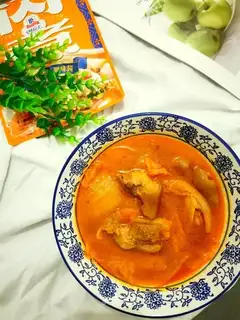
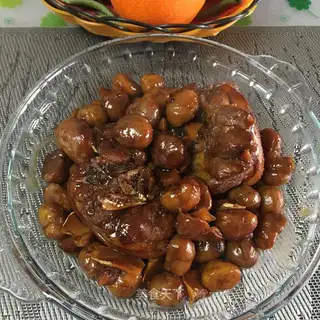
Pork knuckle, often referred to as pork hock or pig’s trotter, is a versatile and flavorful cut of meat that has been a staple in cuisines worldwide for centuries. From the crispy, skin-on roast knuckles of German cuisine to the slow-braised, gelatin-rich dishes of Chinese and European traditions, this cut offers a unique combination of taste, texture, and nutritional benefits. However, like all foods, it must be consumed mindfully to maximize its advantages and avoid potential drawbacks. This article explores the nutritional profile, health benefits, and precautions associated with pork knuckle, providing a comprehensive guide for food enthusiasts and health-conscious individuals alike.
Nutritional Profile of Pork Knuckle
Pork knuckle is a nutrient-dense meat, rich in protein, vitamins, and minerals, though its nutritional content varies slightly depending on the cut (e.g., fresh vs. smoked) and cooking method. A 100-gram serving of cooked pork knuckle (with skin) typically contains:
- Protein: Approximately 25–30 grams, making it an excellent source of high-quality protein. Protein is essential for muscle repair, immune function, and overall growth, containing all nine essential amino acids that the body cannot produce independently.
- Fat: Around 15–20 grams, with a mix of saturated, monounsaturated, and polyunsaturated fats. While it is higher in fat than lean cuts like pork loin, the fat content contributes to its tender, juicy texture and provides sustained energy.
- Vitamins: Pork knuckle is rich in B vitamins, particularly vitamin B12 (crucial for nerve function and red blood cell formation), thiamine (B1, for metabolism), niacin (B3, for energy production), and vitamin B6 (for brain health). It also contains small amounts of vitamins D and E, though these are less prevalent.
- Minerals: This cut is a notable source of selenium (an antioxidant that supports thyroid function and immune health), phosphorus (for bone health and energy metabolism), zinc (for wound healing and immune support), and iron (essential for preventing anemia). Additionally, the collagen-rich skin and connective tissues provide glycine and proline, amino acids that support joint and skin health.
- Collagen and Gelatin: When slow-cooked, pork knuckle’s connective tissues break down into collagen and gelatin, which are beneficial for gut health, joint mobility, and skin elasticity. Gelatin also aids in digestion by helping to maintain the integrity of the intestinal lining.
Health Benefits of Pork Knuckle
When consumed as part of a balanced diet, pork knuckle offers several health advantages, thanks to its unique nutrient composition.
1. Supports Muscle Maintenance and Growth
The high protein content in pork knuckle makes it an ideal food for athletes, older adults, and anyone looking to preserve or build muscle mass. Protein provides the necessary amino acids for synthesizing new muscle tissue and repairing damaged fibers, making it a valuable addition to post-workout meals or protein-focused diets.
2. Boosts Immune Function
Pork knuckle is rich in zinc and vitamin B6, both of which play critical roles in immune health. Zinc helps regulate immune cell production and function, while vitamin B6 supports the creation of antibodies and cytokines—proteins that help the body fight infections. A deficiency in either nutrient can weaken the immune system, making pork knuckle a beneficial choice for maintaining resilience against illnesses.
3. Promotes Joint and Bone Health
The collagen and gelatin derived from slow-cooked pork knuckle are particularly beneficial for joint health. These compounds help reduce inflammation in the joints and may alleviate symptoms of osteoarthritis. Additionally, the phosphorus and calcium (present in smaller amounts) support bone density, reducing the risk of osteoporosis, especially in older adults.
4. Enhances Skin Health
Collagen is a key structural protein in the skin, responsible for its elasticity and firmness. As we age, natural collagen production declines, leading to wrinkles and sagging skin. Consuming collagen-rich foods like pork knuckle may help replenish the body’s stores, improving skin hydration and reducing the appearance of fine lines. The amino acids glycine and proline also support the production of new collagen, promoting overall skin health.
5. Provides Sustainable Energy
The fat content in pork knuckle, primarily monounsaturated and saturated fats, serves as a concentrated source of energy. Unlike refined carbohydrates, which cause rapid spikes and crashes in blood sugar, fats provide long-lasting energy, making pork knuckle a satisfying option for active individuals.
Precautions and Potential Risks
While pork knuckle offers numerous health benefits, it is important to be aware of its potential drawbacks, particularly when consumed in excess or prepared in unhealthy ways.
1. High in Saturated Fat and Sodium
Pork knuckle is relatively high in saturated fat, which, when consumed in large quantities, can raise LDL (“bad”) cholesterol levels and increase the risk of heart disease. Additionally, cured or smoked versions (e.g., ham, hocks) are often loaded with sodium to preserve flavor and extend shelf life. Excessive sodium intake can lead to high blood pressure, water retention, and an increased risk of stroke. To mitigate these risks, opt for fresh, uncured pork knuckle and limit the use of added salt during cooking.
2. Calorie Density
Due to its fat content, pork knuckle is more calorie-dense than leaner cuts of meat. A 100-gram serving can contain 250–300 calories, depending on the cooking method. For individuals watching their weight, portion control is essential. Pairing pork knuckle with low-calorie sides like roasted vegetables, salads, or whole grains can help balance the meal’s overall calorie content.
3. Purine Content
Pork knuckle is high in purines, natural compounds that break down into uric acid in the body. For people with gout or a history of kidney stones, excessive purine intake can trigger painful flare-ups or worsen kidney function. Such individuals should consume pork knuckle sparingly and consult a healthcare provider or dietitian for personalized advice.
4. Cooking Methods Matter
The way pork knuckle is prepared significantly impacts its healthiness. Frying or cooking with heavy sauces can add unnecessary calories, unhealthy fats, and sodium. Healthier cooking methods include roasting (with the skin on for a crispy finish), braising (in broth or wine for tenderness), or grilling (to excess fat drips away). Removing the visible fat before cooking can further reduce the saturated fat content.
5. Food Safety Considerations
As with all pork products, pork knuckle must be handled and cooked properly to avoid foodborne illnesses. It should be stored at or below 4°C (39°F) and cooked to an internal temperature of 71°C (160°F) to kill harmful bacteria like Salmonella and Trichinella. Leftovers should be refrigerated within two hours and consumed within 3–4 days to ensure freshness and safety.
Incorporating Pork Knuckle into a Healthy Diet
To enjoy pork knuckle as part of a balanced diet, consider the following tips:
- Choose Cuts Wisely: Opt for fresh, uncured pork knuckle over smoked or salted versions to reduce sodium and preservative intake.
- Control Portions: Limit servings to 100–150 grams per meal to avoid excessive calories and fat.
- Pair with Nutrient-Rich Foods: Serve with fiber-rich vegetables (e.g., broccoli, spinach), whole grains (e.g., quinoa, brown rice), or legumes to create a well-rounded meal.
- Use Herbs and Spices: Enhance flavor with herbs like rosemary, thyme, or garlic instead of relying on salt or high-sodium marinades.
- Balance Intake: Enjoy pork knuckle occasionally rather than daily, and balance it with leaner proteins like chicken, fish, or plant-based alternatives.
Conclusion
Pork knuckle is a nutrient-rich cut of meat that offers a unique blend of protein, collagen, vitamins, and minerals, supporting muscle growth, immune function, joint health, and skin vitality. However, its high saturated fat, sodium, and purine content require mindful consumption to avoid potential health risks. By choosing fresh cuts, adopting healthy cooking methods, and practicing portion control, pork knuckle can be a delicious and nutritious addition to a balanced diet. Whether slow-braised to perfection or roasted to crispy perfection, this versatile cut continues to delight taste buds while providing essential nutrients—proving that indulgence and health can go hand in hand when enjoyed in moderation.