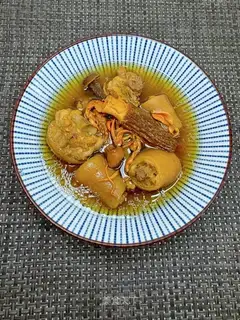
The pig’s tail, often overlooked in mainstream Western cuisine but celebrated in culinary traditions across Asia, Europe, and the Caribbean, is a testament to the principle that "nose-to-tail" eating maximizes both flavor and nutrition. This humble off-cut, consisting of bone, cartilage, skin, and a small amount of lean meat, has been a staple in comfort food, stews, and gourmet dishes for centuries. Beyond its unique, gelatinous texture and rich flavor, the pig’s tail packs a surprising nutritional punch, offering a range of health benefits. However, like all animal products, it must be consumed mindfully, with attention to portion sizes and individual health conditions. This article explores the nutritional profile, health benefits, and potential risks associated with pig tails, providing a comprehensive guide for curious food enthusiasts and health-conscious consumers alike.
Nutritional Profile: More Than Just Skin and Bone
At first glance, a pig’s tail may seem unassuming, but its composition makes it a nutrient-dense food. A 100-gram serving of cooked pig tail (approximately half a tail) contains roughly 200-250 calories, with most of its calories coming from fat (15-20 grams), including a mix of saturated, monounsaturated, and polyunsaturated fats. The fat content is primarily subcutaneous and intramuscular, which renders down during slow cooking, contributing to a tender, succulent texture.
Protein is another key component, with a 100-gram serving providing 20-25 grams of high-quality protein, essential for muscle repair, immune function, and enzyme production. The protein in pig tails is "complete," meaning it contains all nine essential amino acids the body cannot produce on its own.
What truly sets pig tails apart, however, is their collagen and gelatin content. Collagen, the most abundant protein in the animal kingdom, is found in the skin, cartilage, and connective tissues of the tail. When cooked slowly, collagen breaks down into gelatin, which not only imparts a silky, sticky texture to dishes but also offers numerous health benefits. A 100-gram serving of cooked pig tail contains 5-10 grams of collagen, making it an excellent dietary source for supporting joint, skin, and gut health.
In terms of micronutrients, pig tails are rich in minerals such as calcium, phosphorus, and magnesium, which are vital for bone health. They also provide smaller amounts of iron, zinc, and B vitamins, including B12 and niacin. Vitamin B12 is crucial for nerve function and red blood cell production, while niacin supports metabolism and skin health.
Notably, pig tails are also a source of chondroitin sulfate, a compound commonly found in joint supplements. This substance, along with glucosamine, is believed to support cartilage health and reduce inflammation, making pig tails a potential "food-as-medicine" option for individuals with arthritis or joint pain.
Health Benefits: From Joint Support to Skin Radiance
The nutritional composition of pig tails translates to a range of health benefits, particularly when consumed as part of a balanced diet.
1. Joint and Bone Health
The high collagen and chondroitin sulfate content in pig tails makes them a standout food for musculoskeletal health. Collagen is a major component of cartilage, the flexible tissue that cushions joints. As we age, collagen production declines, leading to joint stiffness and osteoarthritis. Studies suggest that dietary collagen may help reduce joint pain and improve mobility by stimulating the body’s own collagen synthesis and reducing inflammation. Chondroitin sulfate, similarly, has been shown to alleviate symptoms of osteoarthritis by protecting cartilage from degradation. For older adults or athletes, incorporating pig tails into stews or broths could be a natural way to support joint health.
2. Skin, Hair, and Nail Health
Collagen is not just beneficial for joints—it is also a key building block of skin, hair, and nails. As we age, collagen loss leads to wrinkles, sagging skin, and brittle nails. Consuming collagen-rich foods like pig tails may help improve skin elasticity, hydration, and firmness. A 2019 study published in the Journal of Drugs in Dermatology found that women who consumed collagen supplements for 8 weeks showed significant improvements in skin elasticity and moisture compared to a placebo group. While the study focused on supplements, food sources of collagen like pig tails are believed to have similar effects, albeit at a slower pace.
3. Gut Health and Digestion
Gelatin, derived from collagen, has been shown to support gut health by strengthening the intestinal lining. It can help "seal and heal" the gut, making it beneficial for individuals with conditions like leaky gut syndrome or inflammatory bowel disease (IBD). Gelatin also aids digestion by stimulating the production of stomach acid and improving nutrient absorption. For those with sensitive stomachs, a slow-cooked pig tail broth can be a gentle, nutrient-dense meal.
4. Weight Management and Satiety
While pig tails are relatively high in fat, the protein and collagen content can promote satiety, helping to curb overeating. Protein takes longer to digest than carbohydrates, keeping you full for longer, while gelatin has been shown to reduce appetite by increasing levels of the satiety hormone GLP-1. When consumed in moderation as part of a high-protein diet, pig tails can support weight management goals.
5. Immune System Support
The zinc and vitamin B12 in pig tails play critical roles in immune function. Zinc is essential for the development and function of immune cells, while vitamin B12 supports the production of white blood cells. A deficiency in either nutrient can weaken the immune system, making the body more susceptible to infections. By including pig tails in their diet, individuals can ensure adequate intake of these immune-boosting nutrients.
Culinary Uses: From Comfort Food to Gourmet Dishes
Before diving into the potential risks, it’s worth noting how pig tails are prepared and enjoyed around the world. Their high collagen and fat content make them ideal for slow cooking, which breaks down connective tissues and renders the fat, resulting in a tender, flavorful dish.
In Caribbean cuisine, pig tails are a key ingredient in "stewed pig tails," a spicy, savory dish often served with rice and beans. The tails are braised with allspice, thyme, Scotch bonnet peppers, and soy sauce, creating a rich, umami-rich gravy. In Chinese cuisine, pig tails are used in braised dishes ("lu wei") or soups, where their gelatinous texture adds body to the broth. In Southern United States, pig tails are sometimes pickled or smoked as a snack, while in West Africa, they are stewed with tomatoes and onions and served with fufu or rice.
Even in fine dining, pig tails have found a place as a gourmet ingredient. Chefs often braise them until tender, then crisp the skin and serve them with a reduction sauce, highlighting their unique texture and flavor. For home cooks, pig tails are an affordable way to add depth to stews, broths, and stocks.
Potential Risks and Precautions: Who Should Limit or Avoid Pig Tails?
While pig tails offer numerous health benefits, they are not suitable for everyone. Here are some key considerations:
1. High in Saturated Fat
A 100-gram serving of pig tail contains 8-10 grams of saturated fat, which is about 40-50% of the daily recommended limit (2000-calorie diet). High intake of saturated fat is linked to elevated LDL ("bad") cholesterol, increasing the risk of heart disease and stroke. Individuals with existing cardiovascular conditions, high cholesterol, or a family history of heart disease should consume pig tails in moderation—no more than once or twice a month.
2. High in Sodium
When braised or stewed, pig tails are often seasoned with salt, soy sauce, or other high-sodium ingredients. A single serving can contain 500-1000 milligrams of sodium, or 20-40% of the daily limit (2300 milligrams). Excess sodium can raise blood pressure and increase the risk of hypertension, kidney disease, and stroke. Those with high blood pressure or kidney issues should opt for low-sodium cooking methods, such as rinsing the tails before cooking and using herbs and spices instead of salt.
3. Purine Content and Gout Risk
Pig tails are high in purines, natural compounds that break down into uric acid in the body. High uric acid levels can lead to gout, a painful form of arthritis characterized by joint inflammation. Individuals with gout or a history of kidney stones (which can also be caused by high uric acid) should avoid pig tails or consume them sparingly. The Arthritis Foundation recommends limiting purine-rich foods to no more than 1-2 servings per week.
4. Calorie Density
While pig tails are nutrient-dense, they are also calorie-dense. A single serving (100 grams) provides 200-250 calories, mostly from fat. For individuals trying to lose weight or manage calorie intake, portion control is key. Limiting servings to 50-75 grams (about a quarter to half a tail) can help enjoy the benefits without exceeding calorie goals.
5. Food Safety and Preparation
As with all animal products, proper handling and cooking are essential to avoid foodborne illness. Pig tails should be purchased from reputable sources and stored at 40°F (4°C) or below. They should be cooked thoroughly to an internal temperature of 165°F (74°C) to kill harmful bacteria like Salmonella or E. coli. Slow cooking methods, such as braising or stewing, are ideal for both safety and texture.
Conclusion: A Nutrient-Rich Treat, When Consumed Wisely
The pig’s tail is a nutritional powerhouse, offering a unique combination of protein, collagen, gelatin, and essential minerals that support joint, skin, gut, and immune health. Its versatility in the kitchen, from Caribbean stews to Chinese braised dishes, makes it a flavorful addition to a varied diet. However, its high saturated fat, sodium, and purine content mean it should be enjoyed in moderation, particularly by individuals with heart disease, high blood pressure, or gout.
For those looking to embrace nose-to-tail eating or explore new culinary traditions, pig tails are a worthy candidate. By pairing them with vegetables, whole grains, and low-sodium seasonings, you can create a balanced, nutrient-dense meal that satisfies both the palate and the body. As with all foods, the key to enjoying pig tails lies in moderation, preparation, and mindfulness of individual health needs. So next time you’re at the butcher or market, don’t overlook this humble ingredient—it just might become your new favorite superfood.