Beef, a cornerstone of global cuisines, has been prized for centuries for its rich flavor, versatility, and nutritional density. Among its numerous cuts, beef topside (also known as top round or inside round) stands out as a lean, economical, and nutrient-rich option derived from the hind leg of the cow. As a well-exercised muscle, topside is naturally low in fat yet packed with essential nutrients, making it a favorite among health-conscious individuals and chefs alike. This article explores the nutritional profile of beef topside, its health benefits, potential consumption considerations, and creative ways to incorporate it into a balanced diet.
I. Nutritional Profile of Beef Topside
Beef topside is a nutritional powerhouse, offering a concentrated source of high-quality protein, vitamins, and minerals while being relatively low in fat. A 100-gram (3.5-ounce) serving of cooked, lean beef topside (trimmed of visible fat) typically contains:
1. High-Quality Protein
Protein is essential for building and repairing tissues, producing enzymes and hormones, and supporting immune function. Beef topside provides approximately 25-30 grams of protein per 100 grams, making it an excellent choice for muscle maintenance, especially for athletes, older adults, and those recovering from illness. Unlike plant-based proteins, beef is a "complete protein," containing all nine essential amino acids (histidine, isoleucine, leucine, lysine, methionine, phenylalanine, threonine, tryptophan, and valine) that the body cannot produce independently.
2. Rich in Vitamins
- Vitamin B12: Beef topside is one of the best dietary sources of vitamin B12, a nutrient crucial for nerve function, DNA synthesis, and red blood cell formation. A 100-gram serving can provide over 100% of the daily recommended intake (DRI), making it vital for preventing deficiency-related anemia and neurological issues.
- Vitamin B6: This vitamin plays a key role in metabolism, brain development, and immune function. Beef topside contains approximately 0.5 mg per 100 grams, meeting around 25-30% of the DRI.
- Niacin (Vitamin B3): Important for energy production and skin health, niacin is abundant in beef topside, with one serving providing about 25% of the DRI.
- Other B Vitamins: Riboflavin (B2) and pantothenic acid (B5) are also present, supporting energy metabolism and hormone synthesis.
3. Essential Minerals
- Iron: Beef topside is a "heme iron" source, the type most easily absorbed by the body (2-3 times more efficient than non-heme iron from plants). A 100-gram serving provides around 2.5-3 mg of iron, or 15-20% of the DRI for adults. Iron is critical for oxygen transport in the blood and preventing iron-deficiency anemia.
- Zinc: This mineral supports immune function, wound healing, and DNA synthesis. Beef topside offers approximately 4-5 mg of zinc per 100 grams, covering 30-40% of the DRI.
- Selenium: A powerful antioxidant, selenium helps protect cells from damage and supports thyroid function. One serving of topside provides about 20-25 micrograms, or 40-50% of the DRI.
- Phosphorus: Essential for bone health and energy production, beef topside contains around 200 mg per 100 grams, contributing to 20-25% of the DRI.
4. Fat Content
As a lean cut, beef topside contains only 5-8 grams of fat per 100 grams, with less than 2 grams of saturated fat. This makes it a heart-healthy choice when consumed in moderation as part of a balanced diet. The small amount of fat present enhances flavor and aids in nutrient absorption (e.g., fat-soluble vitamins A, D, E, and K).
II. Health Benefits of Beef Topside
The nutrient density of beef topside translates to numerous health benefits, ranging from muscle preservation to improved metabolic function.
1. Supports Muscle Mass and Physical Performance
The high-quality protein and amino acids in beef topside stimulate muscle protein synthesis (MPS), making it ideal for athletes, bodybuilders, and older adults at risk of sarcopenia (age-related muscle loss). Leucine, an amino acid abundant in beef, plays a particularly key role in activating MPS. Regular consumption of lean beef like topside can enhance muscle recovery, strength, and overall physical performance.
2. Prevents Nutrient Deficiencies
Beef topside is a potent source of nutrients that are often lacking in modern diets, such as vitamin B12, iron, and zinc. Vitamin B12 deficiency, common in vegetarians, vegans, and older adults, can lead to fatigue, depression, and nerve damage. Similarly, iron deficiency is a leading cause of anemia worldwide, particularly in women and children. Zinc deficiency weakens immune function and delays wound healing. Including beef topside in the diet can help prevent these deficiencies and maintain overall health.
3. Promotes Heart Health
Despite being an animal product, lean beef topside can be part of a heart-healthy diet when consumed in moderation. The American Heart Association (AHA) includes lean cuts of beef in its dietary guidelines, emphasizing that they can be part of a balanced diet low in saturated fat and cholesterol. The protein in beef topside helps maintain healthy blood pressure levels, while the B vitamins (B6, B12, and niacin) help reduce homocysteine, an amino acid linked to heart disease when elevated.
4. Enhances Immune Function
Zinc and selenium in beef topside are critical for a robust immune system. Zinc supports the development and function of immune cells, while selenium acts as an antioxidant to reduce inflammation and protect against oxidative stress. Regular consumption of beef topside may help the body fight infections and reduce the risk of chronic diseases.
5. Supports Cognitive Health
Vitamin B12 is essential for maintaining the myelin sheath that protects nerve fibers and supports brain function. Deficiency in B12 has been linked to memory loss, cognitive decline, and dementia. Including beef topside in the diet may help preserve cognitive function, particularly in older adults.
III. Consumption Considerations and Potential Risks
While beef topside offers numerous health benefits, there are important considerations to keep in mind to maximize its benefits and minimize potential risks.
1. Moderation is Key
Though lean, beef topside should be consumed in moderation as part of a varied diet. The World Health Organization (WHO) recommends limiting red meat intake to no more than 500 grams (18 ounces) per week to reduce the risk of colorectal cancer. Excessive consumption of red meat, even lean cuts, has been associated with increased inflammation and chronic disease risk in some studies.
2. Cooking Methods Matter
The way beef topside is cooked significantly impacts its healthfulness. High-temperature cooking methods (e.g., grilling, frying) can form heterocyclic amines (HCAs) and polycyclic aromatic hydrocarbons (PAHs), compounds linked to cancer. To minimize these risks:
- Opt for gentler cooking methods like braising, stewing, or slow-cooking, which tenderize the lean cut without charring.
- Marinate meat in acidic solutions (e.g., vinegar, lemon juice) or herbs (e.g., rosemary, garlic) to reduce HCA formation by up to 90%.
- Avoid overcooking; cook to medium-rare (63°C/145°F) or medium (71°C/160°F) to preserve nutrients and reduce harmful compounds.
3. Choose Grass-Fed When Possible
Grass-fed beef topside may offer additional health benefits compared to grain-fed varieties. It tends to be higher in omega-3 fatty acids (which reduce inflammation), conjugated linoleic acid (CLA, linked to improved body composition), and antioxidants like vitamin E. Grass-fed beef is also typically lower in saturated fat. However, grass-fed options may be more expensive and less widely available.
4. Individual Health Conditions
People with certain health conditions should exercise caution when consuming beef topside:
- Kidney Disease: High protein intake may strain kidney function in individuals with pre-existing kidney disease. Consult a healthcare provider before consuming large amounts.
- Gout: Beef topside contains purines, which can trigger gout attacks in susceptible individuals. Limit intake during flare-ups.
- Heart Disease: While lean beef is generally safe, those with high cholesterol should opt for lean cuts and trim all visible fat to minimize saturated fat intake.
5. Sustainability and Ethical Sourcing
Environmental and ethical concerns are important considerations when purchasing beef. Look for cuts from grass-fed, pasture-raised cattle, as these practices are more sustainable and humane. Additionally, reducing overall meat consumption and choosing locally sourced beef can lower the carbon footprint associated with beef production.
IV. Culinary Uses and Preparation Tips
Beef topside’s leanness makes it a versatile ingredient, but it requires proper preparation to avoid toughness. Here are some popular culinary uses and tips:
1. Braising and Stewing
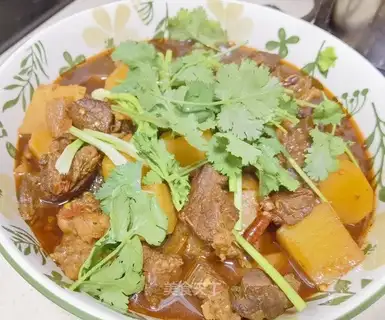
Braising (slow-cooking in liquid) is ideal for beef topside, as it breaks down connective tissues and results in tender, flavorful meat. Dishes like beef stew, pot roast, or beef bourguignon benefit from long, slow cooking. To braise: sear the meat in a hot pan to develop a crust, then transfer to a pot with broth, wine, or vegetables and simmer covered for 2-3 hours.
2. Slow Cooking
A slow cooker is perfect for beef topside, requiring minimal effort. Combine the meat with onions, garlic, herbs (thyme, rosemary), and a liquid (broth, tomatoes) and cook on low for 6-8 hours. The result is tender, shreddable beef, great for sandwiches, tacos, or salads.
3. Marinating for Tenderness
Marinades containing acidic ingredients (vinegar, yogurt, citrus) or enzymes (pineapple, papaya) can help tenderize the meat. Marinate for at least 2 hours (or overnight for maximum flavor) before grilling or pan-searing.
4. Slicing Thinly
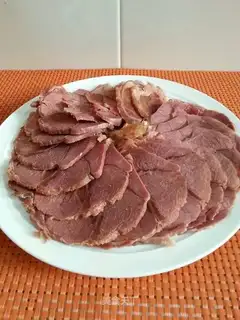
For dishes like stir-fries or sandwiches, slice cooked beef topside thinly against the grain to enhance tenderness. The grain refers to the direction of the muscle fibers; cutting perpendicular to them shortens the fibers and makes the meat easier to chew.
5. Pairing with Complementary Flavors
Beef topside pairs well with robust flavors like garlic, onions, mushrooms, red wine, and herbs. It also complements hearty vegetables such as carrots, potatoes, and celery in stews and roasts. For a lighter touch, serve it with a fresh salad or whole grains like quinoa or brown rice.
V. Conclusion
Beef topside is a nutritional gem, offering a lean source of high-quality protein, essential vitamins, and minerals that support muscle health, immune function, and overall well-being. When consumed in moderation, prepared using healthy cooking methods, and sourced responsibly, it can be a valuable part of a balanced diet. Its versatility in the kitchen—from hearty stews to quick stir-fries—makes it a favorite for home cooks and chefs alike. By understanding its nutritional benefits and potential considerations, individuals can enjoy beef topside as a delicious and healthful addition to their meals, reaping its rewards while minimizing risks. As with any food, balance and mindfulness are key to unlocking its full potential.