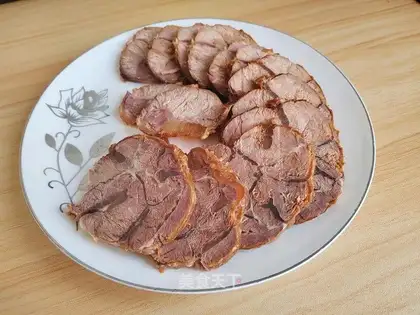
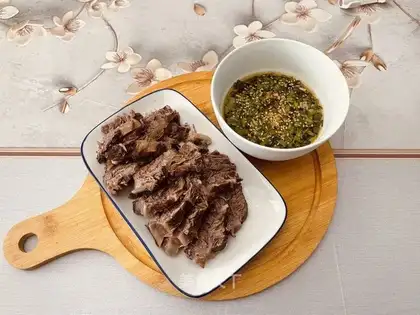
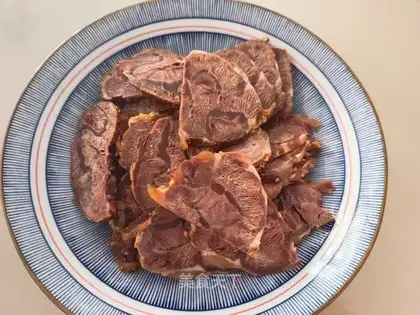
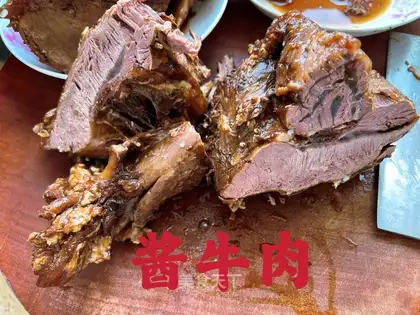
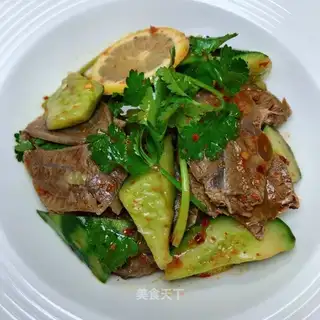
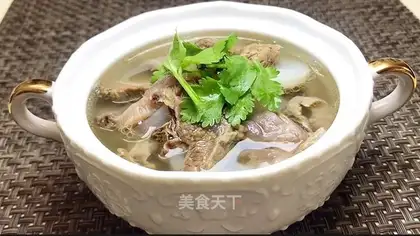
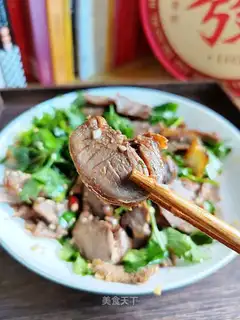
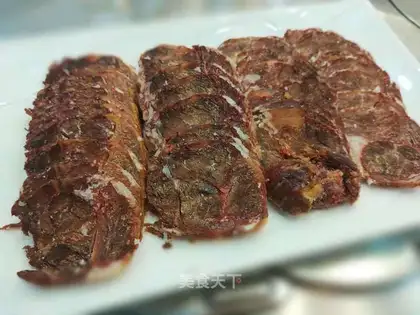
Beef, a cornerstone of cuisines worldwide, is celebrated for its rich flavor, versatility, and nutritional density. Among its various cuts, beef shank—taken from the leg of the cow, specifically the area just below the knee—stands out as a unique and underrated gem. Often overlooked in favor of more tender cuts like sirloin or ribeye, beef shank is a tough, sinewy muscle that transforms into a succulent, nutrient-rich ingredient when cooked low and slow. Beyond its culinary appeal, beef shank is packed with essential vitamins, minerals, and protein, offering a range of health benefits. However, like all foods, it must be consumed mindfully to avoid potential risks. This article explores the nutritional profile of beef shank, its health benefits, and important considerations for safe and optimal consumption.
Nutritional Profile of Beef Shank
Beef shank is a nutritional powerhouse, offering a dense concentration of macronutrients and micronutrients that support overall health. A 100-gram serving of cooked beef shank (approximately 3.5 ounces) contains roughly:
- Protein: ~25-30 grams, providing all nine essential amino acids (lysine, leucine, isoleucine, etc.) that the body cannot produce independently. Protein is vital for muscle repair, immune function, and enzyme production.
- Fat: 10-15 grams, with a mix of saturated, monounsaturated, and polyunsaturated fats. While it contains saturated fat (about 5 grams per serving), it also has conjugated linoleic acid (CLA), a fatty acid linked to potential metabolic benefits.
- Vitamins:
- Vitamin B12: ~2.6 micrograms (over 100% of the Daily Value), crucial for nerve function, DNA synthesis, and red blood cell formation.
- Niacin (B3): ~7-8 mg, supporting energy metabolism and skin health.
- Vitamin B6: ~0.8 mg, aiding in protein metabolism and neurotransmitter production.
- Riboflavin (B2) and Thiamine (B1): Present in smaller amounts, contributing to energy conversion and cellular health.
- Minerals:
- Iron: ~3-4 mg (heme iron), with high bioavailability for preventing iron-deficiency anemia.
- Zinc: ~5-6 mg, essential for immune function, wound healing, and DNA synthesis.
- Selenium: ~20-25 micrograms, a powerful antioxidant that protects cells from damage.
- Phosphorus: ~200 mg, supporting bone health and energy storage.
- Magnesium and Potassium: Present in moderate amounts, aiding in muscle function and blood pressure regulation.
Notably, beef shank is also rich in collagen, a structural protein that breaks down into gelatin during slow cooking. Gelatin supports joint health, gut integrity, and skin elasticity, making beef shank broth a popular remedy for digestive and joint issues.
Health Benefits of Beef Shank
The combination of high-quality protein, essential nutrients, and collagen in beef shank offers a range of health benefits, from muscle maintenance to chronic disease prevention.
1. Supports Muscle Mass and Physical Performance
With 25-30 grams of protein per serving, beef shank is an excellent choice for athletes, older adults, and anyone looking to preserve or build muscle. Protein provides the amino acids needed for muscle protein synthesis, while the iron and B vitamins in beef shank enhance oxygen delivery to muscles (via hemoglobin) and convert food into energy (via metabolic pathways). Regular consumption can help combat age-related muscle loss (sarcopenia) and improve exercise recovery.
2. Boosts Immune Function
Beef shank is a top source of zinc and selenium, two minerals critical for immune health. Zinc supports the development and function of immune cells (e.g., T-cells and neutrophils), while selenium acts as an antioxidant, reducing inflammation and protecting immune cells from oxidative stress. Vitamin B12 also plays a role in maintaining the health of nerve cells and red blood cells, which are essential for immune responses.
3. Prevents Iron-Deficiency Anemia
Heme iron—the type of iron found in animal products like beef shank—is absorbed 2-3 times more efficiently than non-heme iron (from plants). Iron is a key component of hemoglobin, which carries oxygen from the lungs to the rest of the body. Deficiency can lead to fatigue, weakness, and impaired cognitive function. A single serving of beef shank provides 15-20% of the daily iron requirement, making it a valuable food for individuals at risk of anemia, such as pregnant women, children, and menstruating individuals.
4. Promotes Joint and Bone Health
The collagen in beef shank breaks down into gelatin during slow cooking, which contains amino acids like glycine, proline, and hydroxyproline. These compounds support joint cartilage health, reduce joint pain, and improve flexibility. Additionally, the phosphorus, magnesium, and zinc in beef shank contribute to bone density, reducing the risk of osteoporosis. Bone broth made from beef shank is often recommended for individuals with arthritis or joint injuries.
5. Supports Metabolic Health
Beef shank contains CLA, a fatty acid that has been studied for its potential role in weight management and metabolic health. Some research suggests CLA may help reduce body fat, improve insulin sensitivity, and lower the risk of obesity-related diseases. However, more studies are needed to confirm these effects in humans.
6. Enhances Gut Health
Gelatin from beef shank broth supports gut lining integrity by promoting the production of mucus, which protects the intestinal barrier from damage. This can help reduce symptoms of leaky gut syndrome (increased intestinal permeability) and improve digestion. The amino acids in gelatin also aid in the breakdown of nutrients and reduce inflammation in the gut.
食用禁忌 (Dietary Considerations and Precautions)
While beef shank offers numerous health benefits, it is important to consume it in moderation and with awareness of potential risks. Certain populations should exercise caution, and proper preparation is key to maximizing its benefits.
1. High Saturated Fat Content
Beef shank contains more saturated fat than lean cuts like tenderloin or sirloin. Excessive saturated fat intake has been linked to elevated LDL (“bad”) cholesterol, increasing the risk of heart disease. To mitigate this, trim visible fat before cooking and opt for cooking methods like braising or stewing, which allow fat to render out. Limit portion sizes to 100-150 grams per serving and balance it with plenty of vegetables and whole grains.
2. Purine Levels and Gout Risk
Beef shank is moderately high in purines, natural compounds that break down into uric acid. In individuals with gout or high uric acid levels, excessive purine intake can trigger painful flare-ups. Those with gout should consume beef shank sparingly (no more than once a week) and pair it with purine-lowering foods like cherries or leafy greens.
3. Sodium Concerns in Processed Preparations
Many commercial beef shank products, such as canned beef shank or pre-marinated cuts, are high in sodium to enhance flavor and shelf life. Excess sodium can contribute to high blood pressure and cardiovascular disease. To reduce sodium intake, choose fresh beef shank and season with herbs, spices, and natural flavorings (e.g., garlic, onions) instead of salt. When making broth, skim off excess fat and use low-sodium broth as a base.
4. Dietary Restrictions
- Vegetarians/Vegans: Beef shank is unsuitable for plant-based diets due to its animal origin.
- Religious/Cultural Restrictions: Some religions (e.g., Hinduism, Jainism) prohibit beef consumption, while others (e.g., kosher or halal diets) require specific preparation methods (e.g., kosher slaughter).
- Health Conditions: Individuals with kidney disease should limit beef shank intake due to its high protein and phosphorus content, which can strain kidney function. Those with heart disease should opt for lean cuts and monitor saturated fat intake.
5. Safe Cooking Practices
Beef shank is a tough cut that requires slow, moist cooking (e.g., braising, stewing, or pressure cooking) to break down collagen and make it tender. However, improper handling can lead to foodborne illnesses. Always:
- Store beef shank at 40°F (4°C) or below and use within 2-3 days of purchase.
- Cook to an internal temperature of 160°F (71°C) to kill harmful bacteria like E. coli or Salmonella.
- Avoid cross-contamination by using separate cutting boards and utensils for raw meat and ready-to-eat foods.
Conclusion
Beef shank is a nutrient-dense, versatile ingredient that offers a unique blend of protein, vitamins, minerals, and collagen. Its ability to support muscle growth, immune function, joint health, and metabolic well-being makes it a valuable addition to a balanced diet. However, its high saturated fat and purine content, as well as sodium concerns in processed forms, require mindful consumption. By choosing fresh cuts, preparing it with healthy cooking methods, and tailoring intake to individual health needs, beef shank can be enjoyed as both a culinary delight and a nutritional powerhouse. Whether simmered into a hearty stew, slow-cooked into tender braised dishes, or transformed into nutrient-rich broth, beef shank exemplifies how traditional, humble ingredients can play a vital role in modern health and wellness.